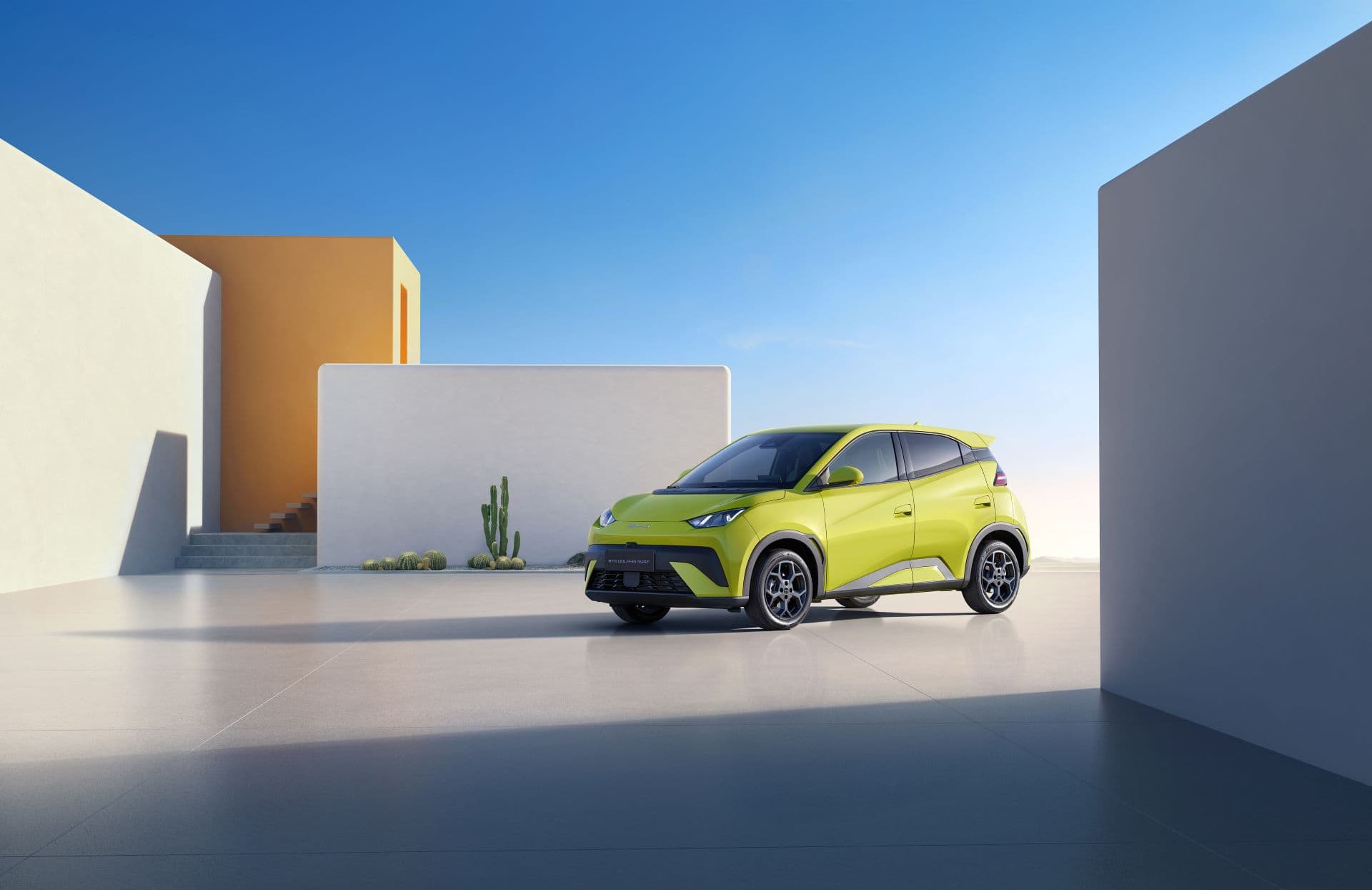
According to a Reuters report, China's automotive industry is heading toward a major crisis despite its apparent global dominance. While Chinese champions like BYD and Geely have displaced international brands and made China the world's largest vehicle exporter, scores of domestic carmakers are now facing financial collapse.
The Price War Problem
The core issue is a brutal price war lasting over two years, described by Chinese policymakers as "neijuan" or "involution" ' a self-destructive struggle. New car prices have plummeted 21% since 2021 to around $24,000 for major manufacturers including Great Wall Motor and BYD. Companies are desperately adding features like built-in hotpot cookers and multiple screens while offering free insurance and cheap loans to attract buyers.
This competition is devastating the industry. Even market leader BYD reported a nearly 30% drop in quarterly net profit last week, followed by its second consecutive monthly production decline ' the first time since 2020. Great Wall Motor saw first-half profits fall 10%. Smaller players are faring worse, with more EV manufacturers exiting than entering the market for the first time last year, according to consultancy AlixPartners.
Overcapacity: The Root Cause
The fundamental problem is massive overcapacity. While passenger vehicle sales reached 27.6 million units last year, production capacity hit 55.6 million units ' more than double what's needed. This excess capacity creates a vicious cycle where manufacturers offer increasing incentives to gain market share, worsening their losses.
Political Barriers to Solutions
Despite President Xi Jinping's criticism of "disorderly price cuts" and government calls for "rational competition," political factors prevent meaningful reform. Local governments actively encourage factory construction through tax breaks, land deals, and subsidies because they need GDP growth and job creation for their performance targets.
The industry employs around 5 million people, making closures politically sensitive. When struggling EV maker Nio faced bankruptcy in 2020, state-controlled companies provided a $1 billion bailout. Last year, Nio received approval for a third factory despite selling only 221,970 cars against planned capacity of 1 million.
Vulnerable to Demand Shocks
The combination of price wars and overcapacity leaves manufacturers exposed to sales downturns. Whilst Chinese car sales grew 11.4% in the first half of 2025, this growth relied heavily on government incentives and cash-for-clunkers programmes. Consumer confidence remains below pre-pandemic levels at 89, down from 120-plus previously.
Export growth, which sextupled to nearly 6 million units between 2020-2024, also faces headwinds from overseas protectionism and manufacturers' plans to localise production abroad.
Consolidation Challenges
Unlike five years ago when distressed auto assets attracted buyers, recent deals have collapsed. Weaker players lack valuable intellectual property, and their production lines have little worth given the supply glut. Without a massive demand surge, widespread bankruptcies and job losses appear inevitable across China's automotive sector.
Staff Writer
Reporting from the front lines of the automotive industry, delivering expert analysis and the technical updates that drive the South African motor sector forward.
More news from OEM News