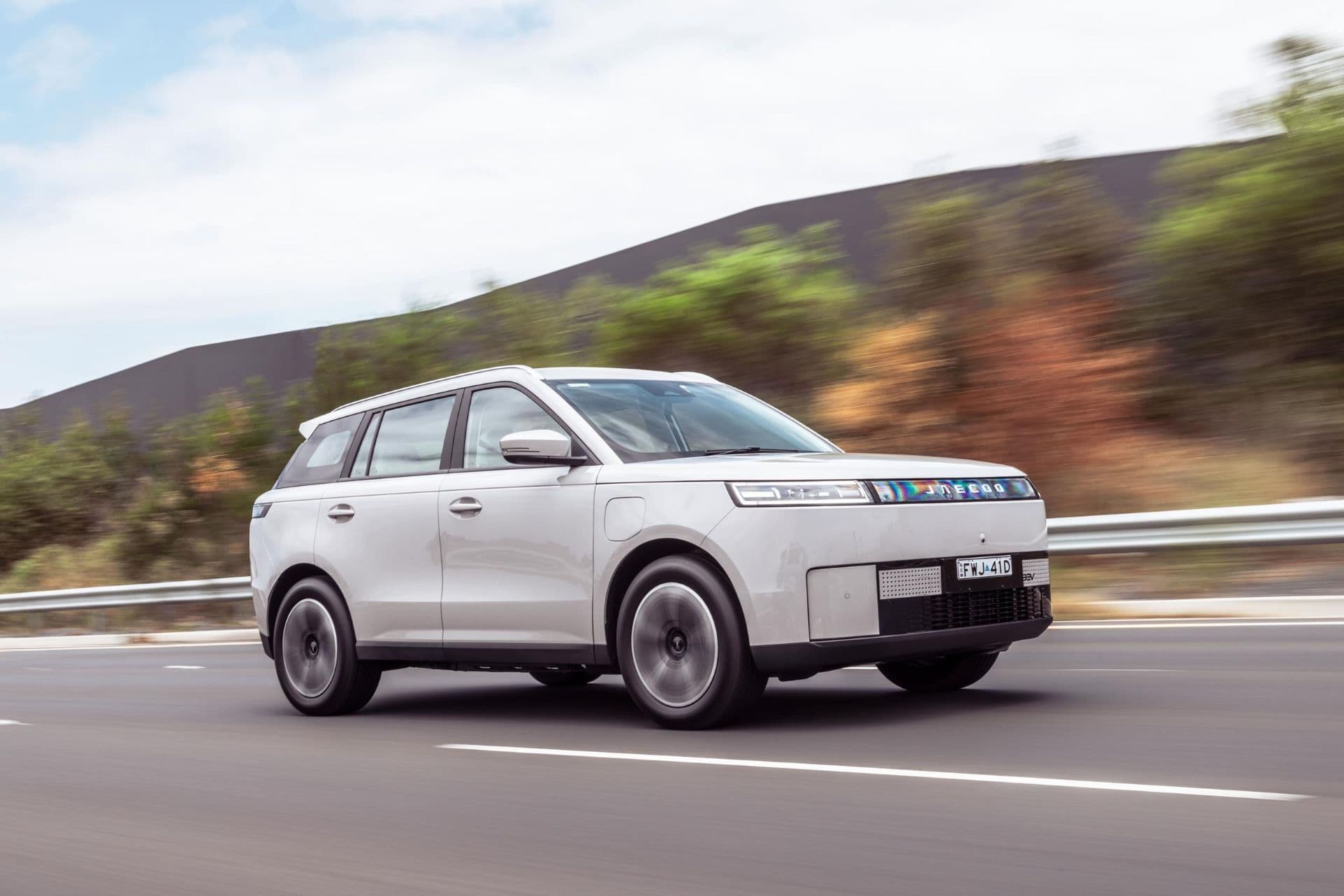
Stellantis is preparing a major industrial shift in eastern France, with plans to invest more than €1 billion in its Mulhouse plant to build a new generation of electric vehicles from 2029.
The announcement, made by French President Emmanuel Macron, places the factory at the centre of France’s wider push to speed up transport electrification and reduce reliance on fossil fuels. For Mulhouse, the decision matters well beyond the headline figure. The site has been waiting for a new production mandate, and the investment offers a clearer long term future for a plant that has recently been running below historic output levels.
The move also fits into Stellantis’s newly unveiled FaSTLAne 2030 strategy, a €60 billion five year plan designed to restore momentum and sharpen competitiveness. The company says it will launch more than 60 new vehicles by 2030 while simplifying platforms and investing heavily in powertrains and technology. That matters in a market where European carmakers are under pressure from Chinese rivals, tighter emissions targets and the enormous cost of redesigning factories for the electric age. Mulhouse already builds Peugeot models including the 308 and 408, and reports suggest the plant employs around 4,000 people or more depending on how staff are counted. If confirmed in full by Stellantis, this investment would not only modernise one factory. It would signal that France intends to keep high value automotive manufacturing at home as the industry enters its most demanding transition in decades.
Staff Writer
Reporting from the front lines of the automotive industry, delivering expert analysis and the technical updates that drive the South African motor sector forward.