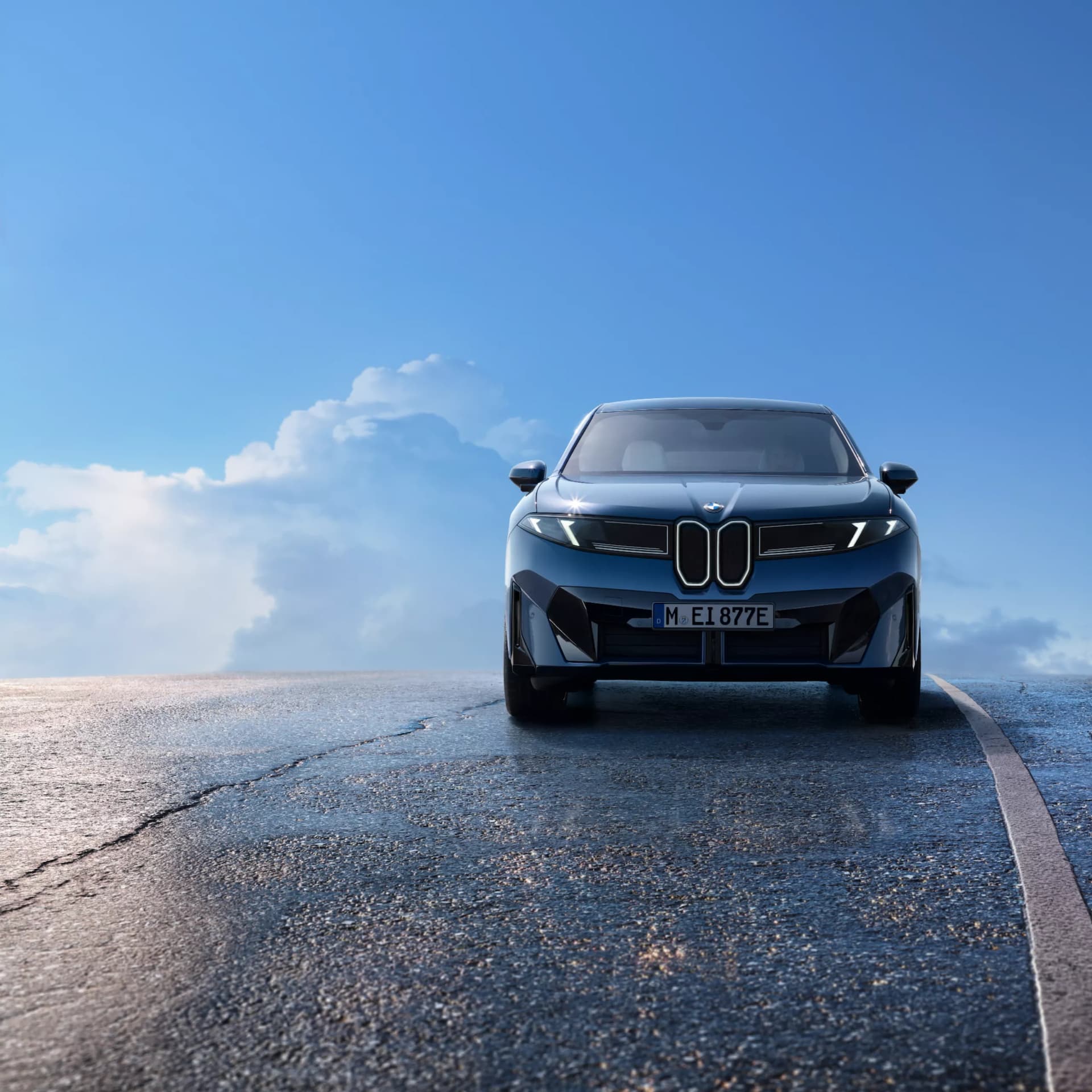
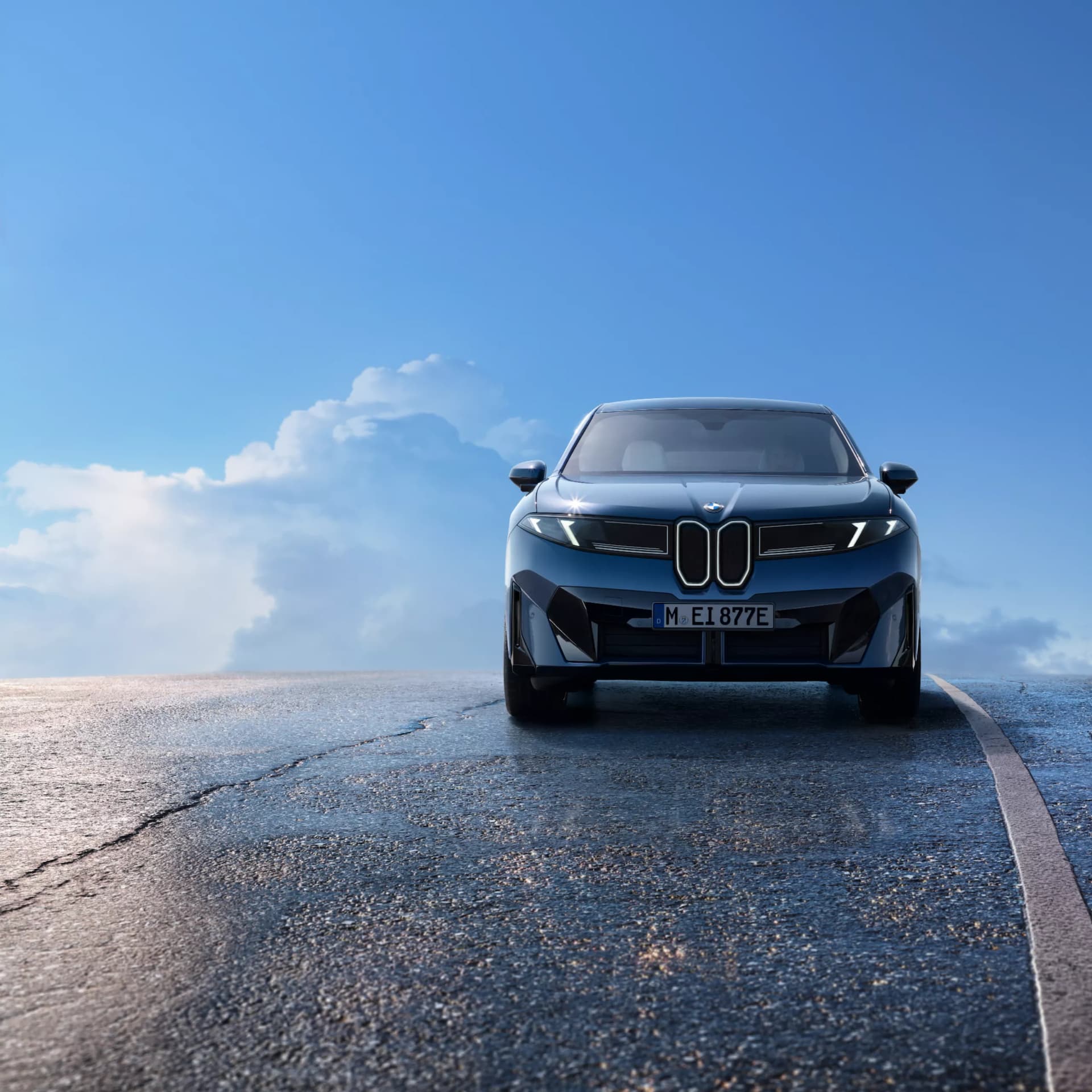
BMW remains bullish about reclaiming growth in China, its largest market, through the rollout of its all-electric Neue Klasse series—a comprehensive transformation of the company’s vehicle lineup that gained momentum this week with the debut of its inaugural model.
"We are more than competitive with this product," Chief Financial Officer Walter Mertl told Reuters. "With increasing availability of the Neue Klasse, we will see growth in China again."
The German luxury carmaker has faced challenges in China alongside its European counterparts, grappling with fierce competition from local manufacturers and a property market downturn that has deterred affluent Chinese consumers from purchasing new vehicles.
BMW’s China sales plummeted by 15.5% in the first half of 2025.
"Looking at our future model range, I’m not worried," Mertl remarked, following BMW’s unveiling of its Neue Klasse iX3 electric sports utility vehicle on Friday. The model is scheduled to launch in China by summer 2026.
The reveal preceded the 2025 IAA motor show in Munich, where domestic car manufacturers are competing against an expanding Chinese presence to maintain their competitive edge.
Mertl highlighted that batteries in the new vehicles cost between 40% and 50% less than those in current models—a crucial factor in helping the group enhance profitability.
With the iX3 50, BMW could achieve margins equivalent to petrol engine counterparts—known as margin parity—as early as 2026, Mertl indicated.
BMW anticipates an automotive EBIT margin of 5% to 7% in 2025, with Mertl stating the objective is to increase this to 8% to 10% going forward.
The company intends to discontinue its existing models by the decade’s end through the deployment of the Neue Klasse series.
Regarding import duties in the United States, where BMW operates its largest manufacturing facility, Mertl confirmed that the tariffs would reduce BMW’s profit margin by 1.25 percentage points in 2025.
The European Union plans to eliminate duties on imported American industrial goods in exchange for a US tariff rate of 15% on European cars—down from the current 27.5%—which carmakers hope will be applied retrospectively from 1 August.
Staff Writer
Reporting from the front lines of the automotive industry, delivering expert analysis and the technical updates that drive the South African motor sector forward.
More news from OEM News