President Cyril Ramaphosa has expressed strong confidence in South Africa's automotive industry, stating it is making crucial investments to build resilience and lead the transition to green mobility despite mounting global pressures.
In his weekly newsletter this week, Ramaphosa emphasized protecting existing automotive jobs as paramount, particularly with looming US tariffs threatening the sector. He stressed the urgent need to diversify export markets, committing to work with industry players to expand their continental presence and leverage existing trade relationships within the Southern African Development Community (SADC) region.
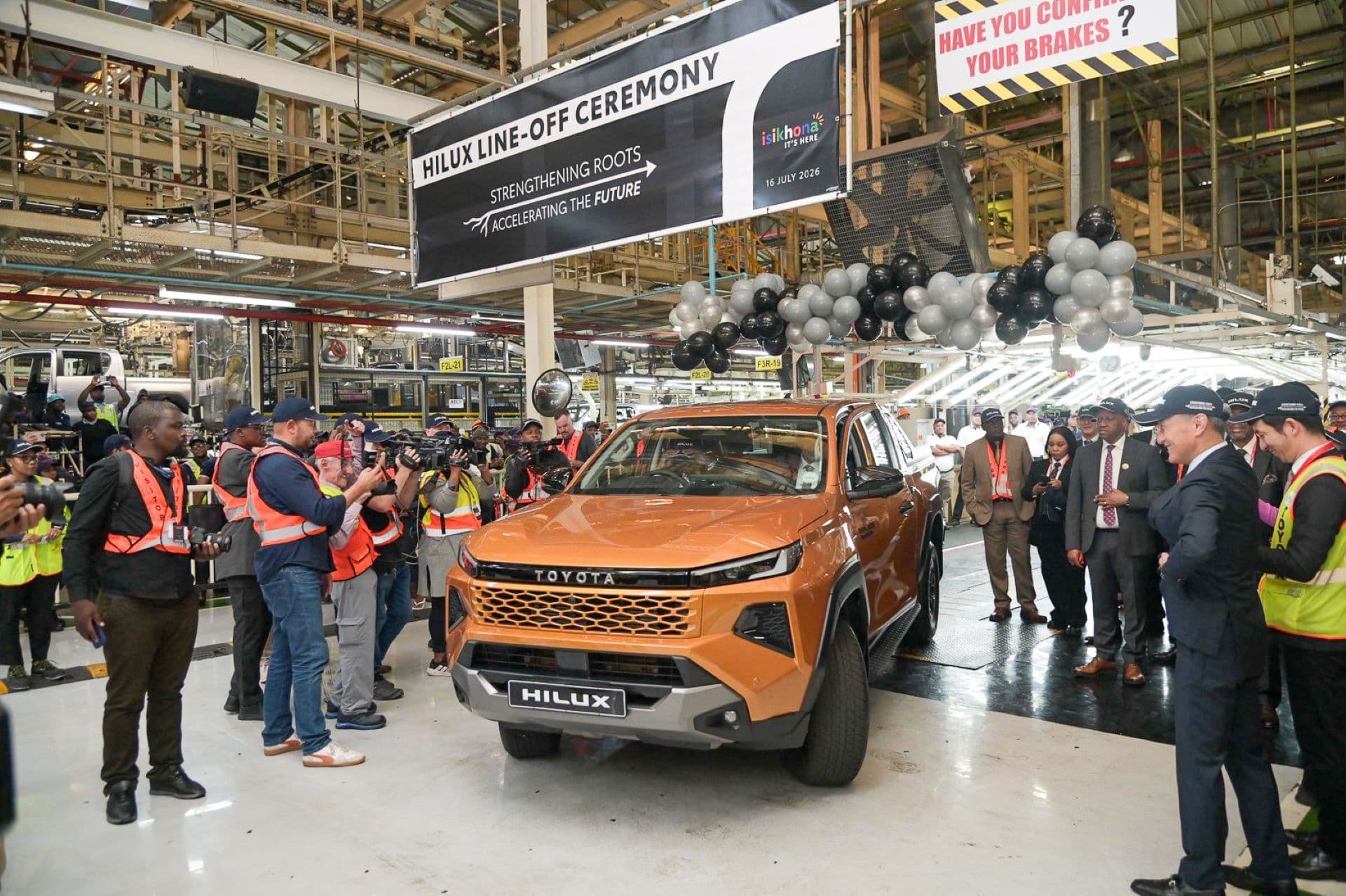
South Africa's automotive manufacturing sector, with over a century of history dating back to the first assembly plants in the Eastern Cape during the 1920s, has evolved into the country's largest manufacturing industry. Major international brands including Toyota, Ford, Nissan, Volkswagen, BMW, and Mercedes-Benz operate production facilities that serve both domestic and international markets.
The sector's economic impact is substantial, supporting more than 115,000 direct manufacturing jobs and over 500,000 positions across the value chain, while contributing approximately 5.3% to the country's GDP. Currently, exports account for around two-thirds of local vehicle production.
However, Ramaphosa acknowledged significant challenges ahead, including new emissions regulations in key markets like the European Union and fresh US tariffs. The global shift from internal combustion engines toward hybrid and electric vehicles has made green mobility increasingly critical for manufacturers.
Last week's launch of BMW's new X3 plug-in hybrid at the company's Rosslyn plant in Tshwane highlighted this transition. South Africa serves as the exclusive global production site for this model, representing what Ramaphosa called "a welcome signal to investors that South Africa remains a favourable place to do business."
The government is actively creating an enabling regulatory environment through initiatives like the Automotive Production and Development Programme, positioning the country as a key global manufacturing base for future vehicles. Beyond manufacturing, the sector contributes significantly to youth development through training programmes, with BMW alone supporting over 3,500 young people across all nine provinces through the Youth Employment Service programme.
Staff Writer
Reporting from the front lines of the automotive industry, delivering expert analysis and the technical updates that drive the South African motor sector forward.