Working together is becoming the decisive factor in South Africa’s drive to build job-ready technical talent. That was the message underlined by the Retail Motor Industry Organisation (RMI) after its involvement in the 5th HRDC-SA Summit 2026, hosted on 16 and 17 April.
The Human Resource Development Council of South Africa (HRDC-SA) is chaired by the Deputy President and administered by the Minister of Higher Education and Training. As a national advisory structure, it guides skills development priorities with a focus on economic growth, inclusion and long-term transformation.
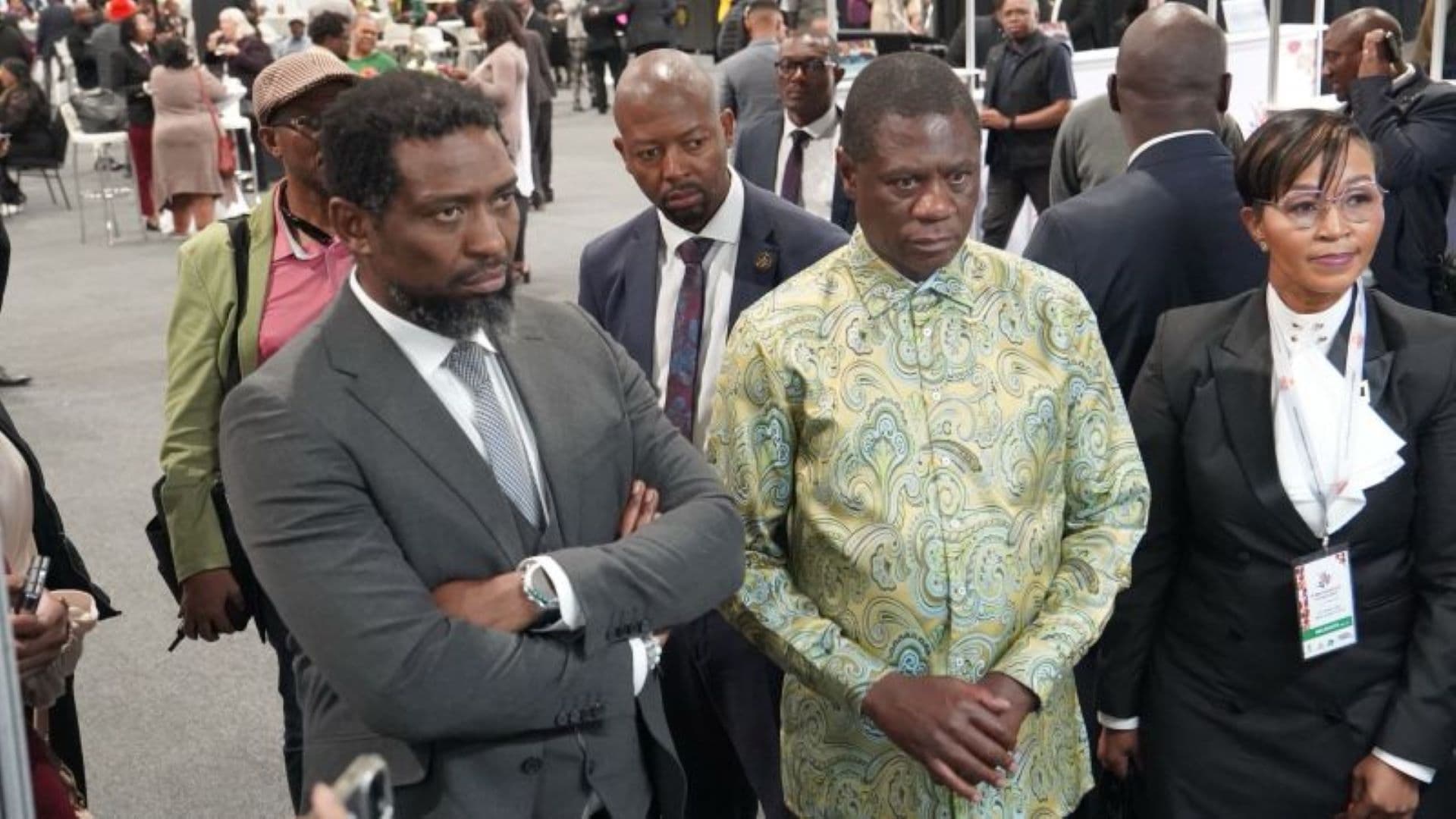
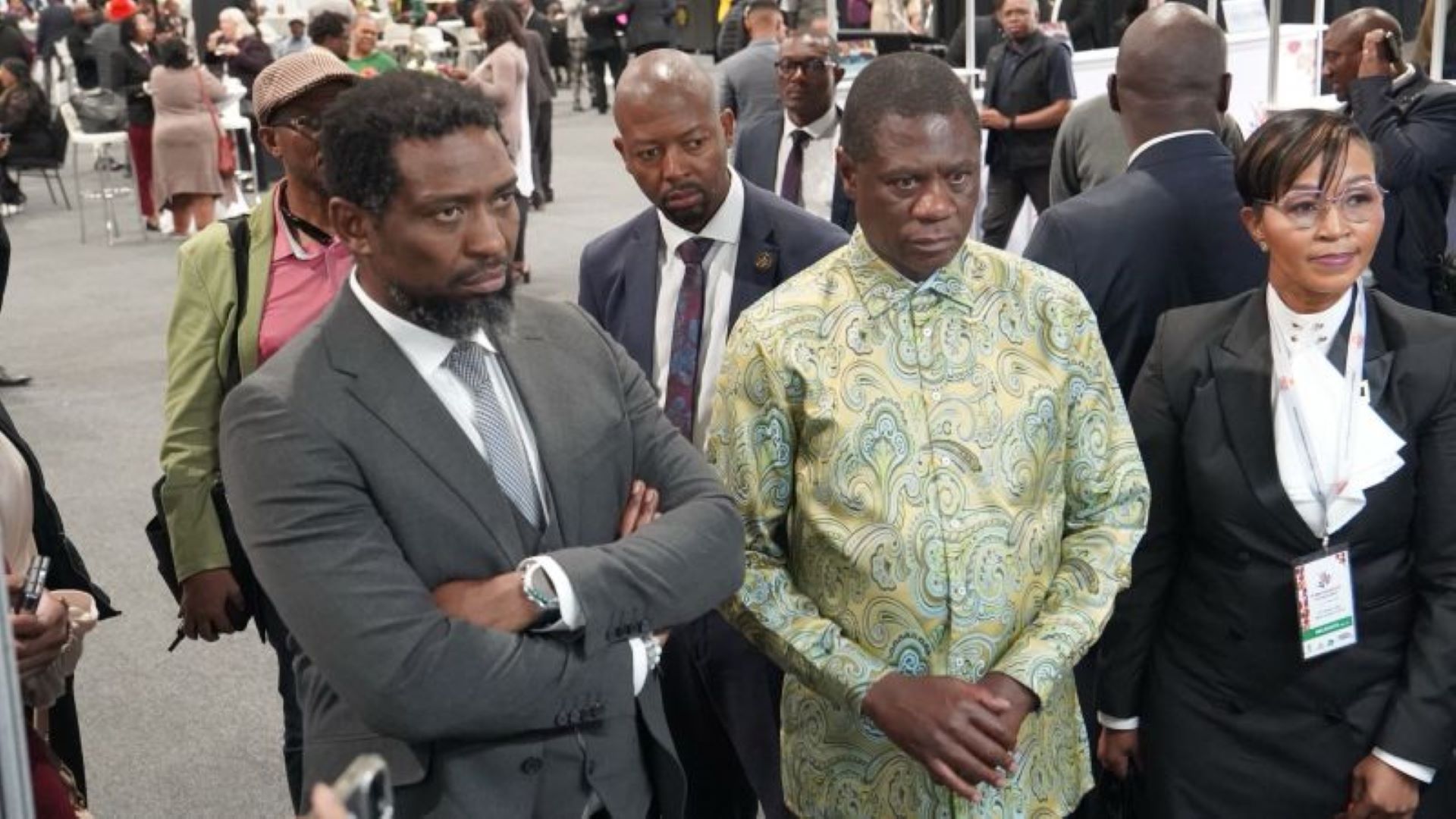
During the summit, the RMI and its partners used their exhibition platforms to demonstrate how joint programmes are strengthening artisan development in the automotive space. The stands drew notable attention, including visits by Deputy President Paul Mashatile and Higher Education and Training Minister Buti Manamela, who engaged directly with industry representatives to hear how collaborative models are improving training outcomes.
The RMI also recognised MerSETA’s ongoing contribution, thanking Acting CEO Naphtaly Mokgotsane for his support and for promoting partnerships that reinforce South Africa’s broader skills pipeline.
According to RMI National Training Director Louis van Huyssteen, progress depends on alignment between every part of the system, from training providers to employers and the bodies responsible for standards and quality assurance.
“Skills development in our sector cannot happen in isolation. It requires strong, aligned partnerships between industry, training institutions, and quality assurance bodies. Each plays a vital role, and without this collaboration, the system simply cannot function effectively,” he said.
RMI representatives were joined by a range of stakeholders, including MerSETA, the College of Cape Town and technical specialists who illustrated how shared input can make training more relevant and adaptable to the realities of modern workshops.
One of the strongest themes was the role of Technical and Vocational Education and Training (TVET) colleges, particularly the importance of close links with RMI-accredited workplaces. These relationships help ensure apprentices gain genuine on-the-job experience, while enabling colleges and employers to keep teaching aligned with rapidly changing vehicle technologies.
Diagnostics was highlighted as a core requirement within the Occupational Certificate: Automotive Motor Mechanic curriculum. As vehicles increasingly rely on electronics and software, learners need exposure to established diagnostic platforms such as HaynesPro to build confidence and competence in fault-finding and repair.
Van Huyssteen also pointed to MerSETA’s central role alongside the Department of Higher Education and Training, the National Artisan Moderation Body and the Quality Council for Trades and Occupations. Together, these structures support occupational learning, workplace-based training and credible assessment routes.
Innovation formed another key part of the discussion, with virtual reality training emerging as a practical tool for engaging young people and expanding access to hands-on learning. Through partnerships between MerSETA and industry, VR labs are being introduced to create immersive training environments that reflect the future of technical education.
“These innovations are not just enhancing how we train. They are helping to attract and prepare a new generation of artisans for a rapidly evolving automotive landscape,” van Huyssteen concluded.
Staff Writer
Reporting from the front lines of the automotive industry, delivering expert analysis and the technical updates that drive the South African motor sector forward.