South Africa’s automotive industry entered the recent South African Auto Week 2025 in Gqeberha with renewed confidence and a sense of direction. After a challenging few years marked by energy disruptions and global trade shifts, the sector appears to be finding its footing again, backed by billions in new investment and a stronger focus on localisation and regional trade.
According to Ecofin Agency, manufacturers have confirmed R15.8 billion in capital expenditure over the past 18 months, reflecting continued trust in South Africa’s supplier base and industrial capabilities. However, the agency notes that much of this spending is focused on modernising facilities rather than major new production expansions.
Opening the event, Minister Parks Tau pointed out that the US share of South African vehicle exports has declined from 34 percent in 2019 to just 19 percent in 2025. He announced an additional R2.5 billion for the Automotive Investment Scheme over the next three years, funding that will support projects with at least 50 percent local content and 30 percent intra-African sales by 2028. The move signals a strategic shift towards markets under the African Continental Free Trade Area (AfCFTA).
Naamsa CEO Mikel Mabasa reminded delegates that energy insecurity remains the industry’s biggest threat. He warned that “a single summer of Stage-6 load-shedding could result in the removal of 28 000 vehicles from the 2026 production plan”, erasing expected export growth. Mabasa urged firms to find alternative power sources and expand export markets.
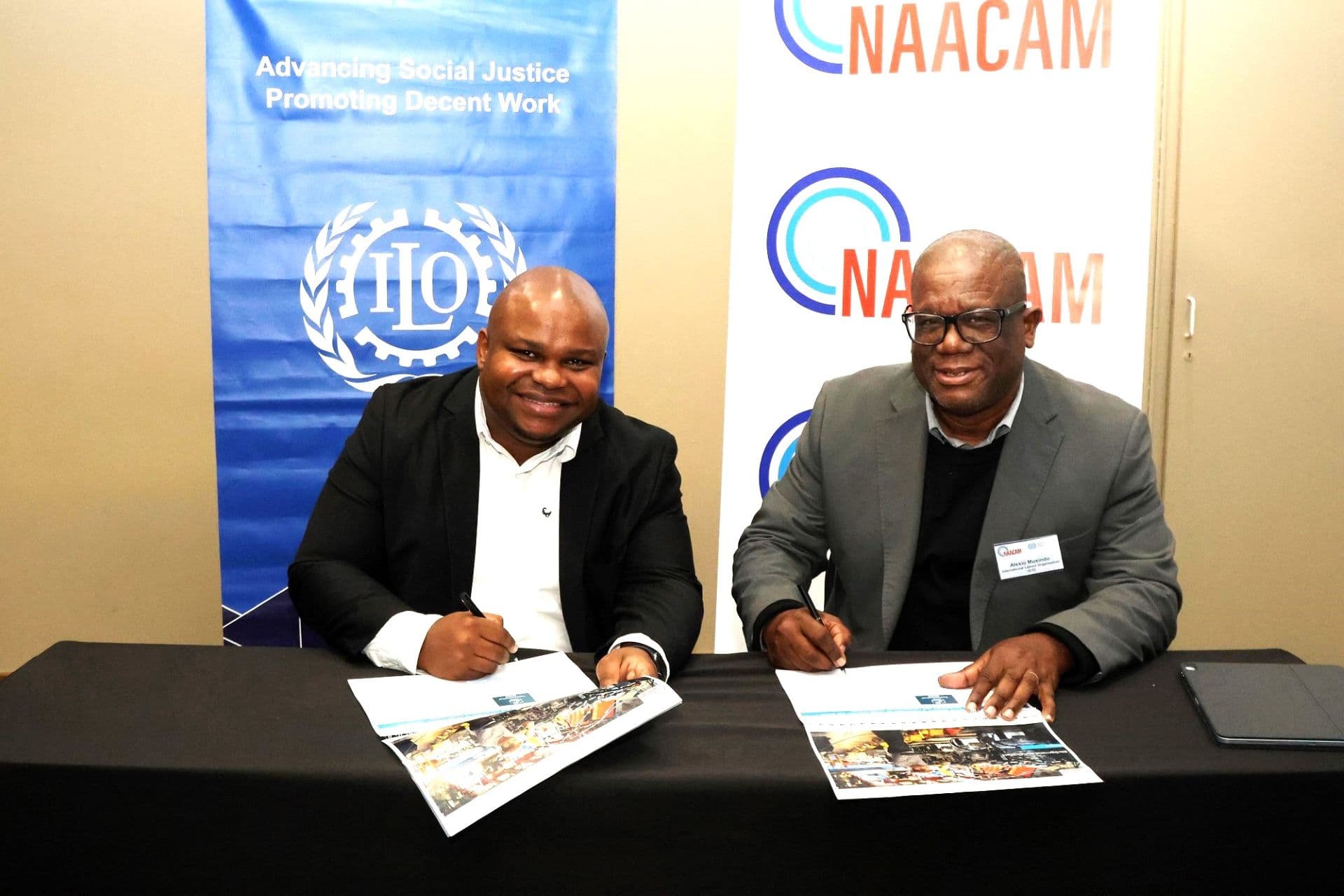
On the show floor, carmakers highlighted tangible progress. BMW unveiled its first locally built X3 plug-in hybrid for Europe, and Suzuki confirmed it is assessing a R3.5 billion engine plant in the Eastern Cape. The National Association of Automotive Component Exporters also signed an MOU to help 22 Tier-2 suppliers achieve EU standards by 2027.
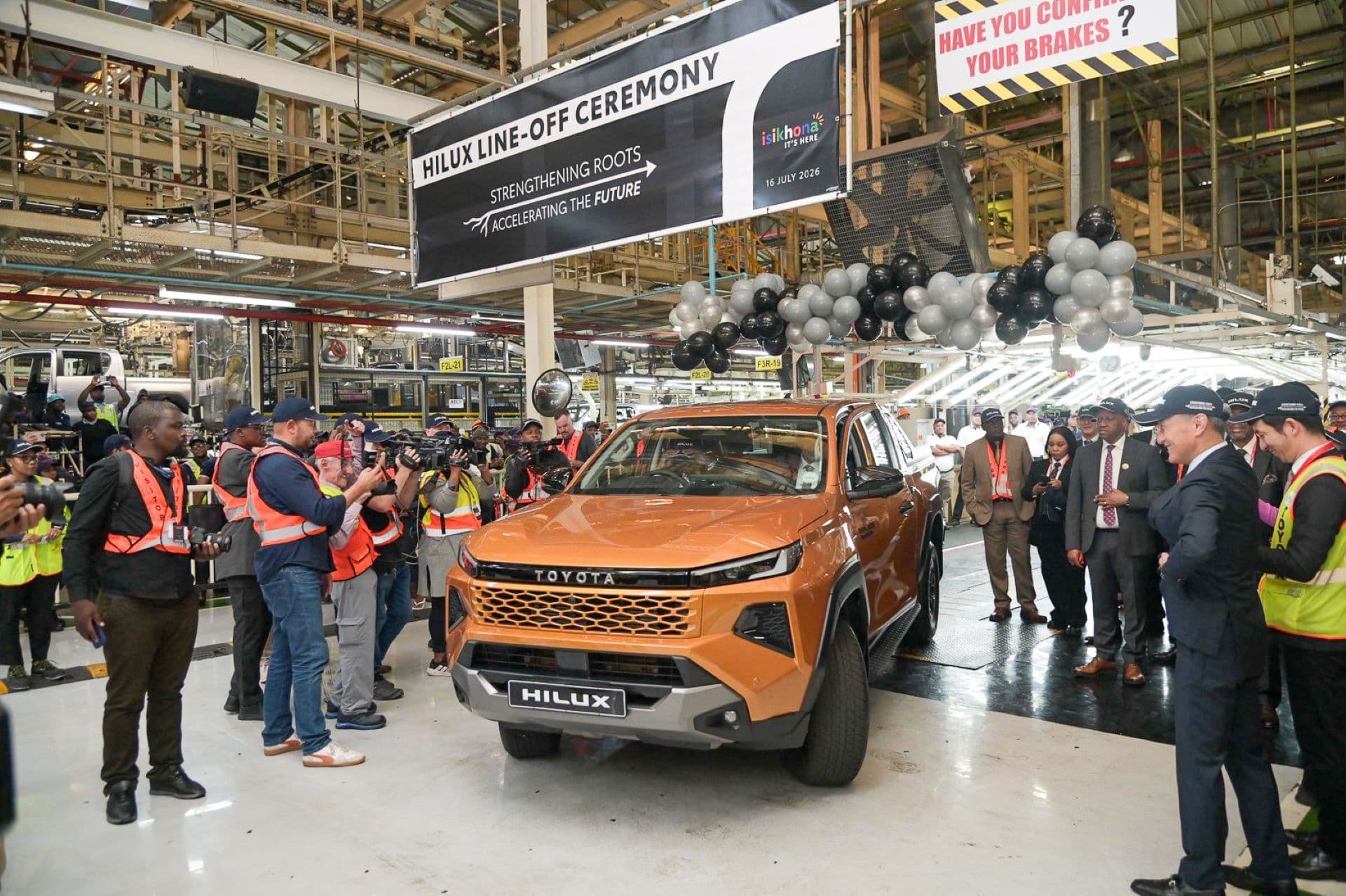
Toyota leads current investments with R6.1 billion to upgrade its Durban plant for the next-generation Hilux and Corolla Cross. Ford follows with R5.2 billion at Silverton for a plug-in hybrid Ranger, while Mercedes-Benz is investing R2.1 billion to extend C-Class production to 2030. Together with Isuzu and Nissan-Renault-Mitsubishi, these commitments show the sector’s steady recovery, even if total output remains capped at around 500 000 units a year.
Staff Writer
Reporting from the front lines of the automotive industry, delivering expert analysis and the technical updates that drive the South African motor sector forward.