The journey towards fully autonomous vehicles has been marked by ambitious promises and sobering realities.
From early radio-controlled experiments to today's AI-powered systems, the path to driverless cars remains fraught with challenges despite significant technological advances.
Historical Foundations and Early Setbacks
The concept isn't new. In 1925, Francis P Houdina's "American Wonder" Chandler automobile attempted a transcontinental showcase of self-driving technology. However, the vehicle "careenedthrough New York City's Fifth Avenue traffic, barely missing cars and fire trucks before crashing" (Automotive News reports), highlighting early overconfidence in autonomous technology.
By 1937, with road fatalities reaching alarming heights in the USA, industrial designer Norman Bel Geddes called American roads a "suicidal mess". His vision of ten-lane highways with embedded electric sensors, showcased at GMs' Futurama exhibit in 1939, helped inspire the Interstate Highway System through the 1956 Federal-Aid Highway Act, though the sensors never materialised.
European researchers achieved a breakthrough in 1995 with the Prometheus project, when an autonomous Mercedes-Benz S-Class travelled 1 700 kilometres between Munich and Copenhagen,covering 160km without human intervention at speeds reaching 175km/h.
Current Global Leadership
China dominates current deployment. Over 50% of vehicles sold in China in 2024 came equipped with Advanced Driver Assistance Systems (ADAS) Level 2+, compared to just under 40% in the USA (Business Insider). Baidu's Apollo Go operates over 400 fully driverless robotaxis, serving 9 million residents in Wuhan with 24/7 operations (Wikipedia, Reuters). Apollo has accumulated over 100 million autonomous kilometres with no major accidents (Wikipedia).
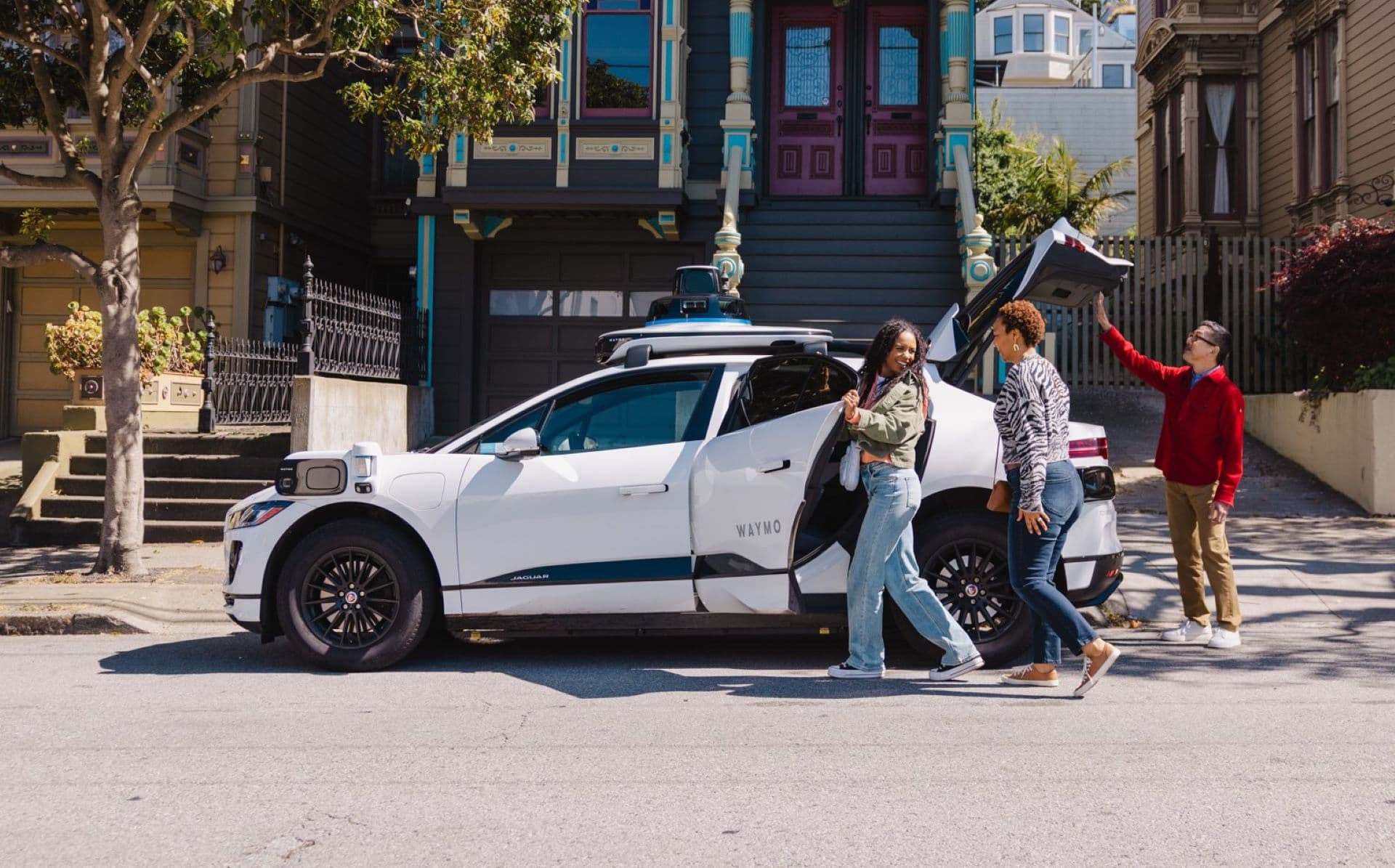
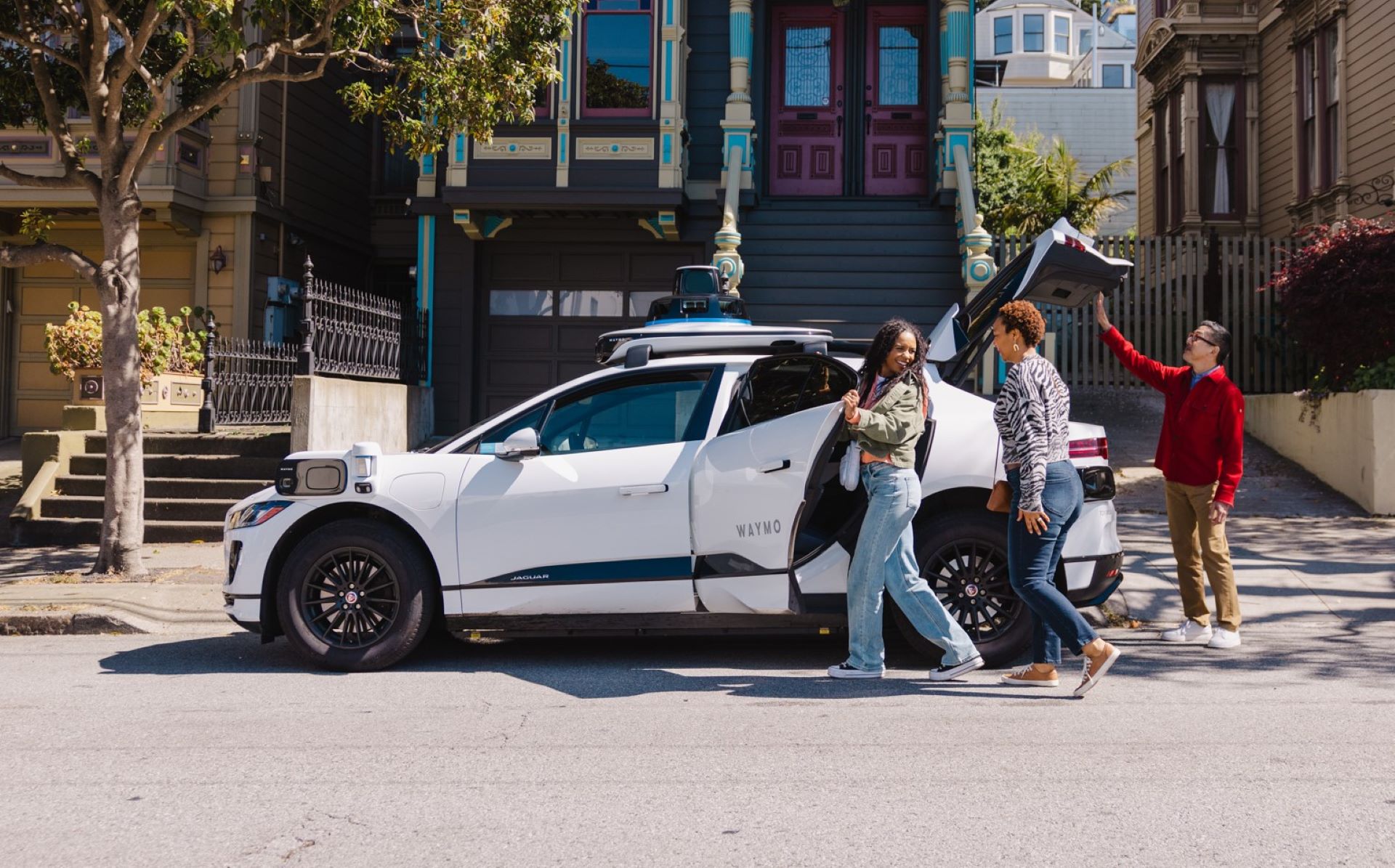
Waymo leads commercial operations, providing over 250 000 weekly rides across five USA cities, with more planned. The company has logged more than 14.9 million autonomous miles, including over 14 million driverless miles by mid-2024 (EE Times Europe). Tesla began commercial robotaxi service in Austin in June 2024.
Mercedes-Benz holds the first Level 3 certification for highways in Germany and the USA under DRIVE PILOT (IDTechEx, Wikipedia), with BMW following closely. Honda has sold around 80 Level 3 capable vehicles in Japan (Wikipedia).
Despite progress, most manufacturers currently focus on Level 2 autonomy, requiring constant driver attention whilst handling steering, acceleration and braking, reflecting market realities where electric vehicle development takes priority over costly autonomous technology.
Staff Writer
Reporting from the front lines of the automotive industry, delivering expert analysis and the technical updates that drive the South African motor sector forward.
More news from International News