Oil prices surged this week after Iran’s seizure of container ships in the Strait of Hormuz, sparking renewed fears over the vulnerability of global trade routes.
For South Africans, the impact is felt most immediately at the fuel pumps, but the ripple effects extend far beyond petrol costs, touching industries across continents.
A Reuters review of company statements since the outbreak of conflict highlights the breadth of disruption. Twenty-one firms have withdrawn or cut financial guidance, thirty-two have signalled price hikes, and thirty-one have warned of financial hits linked to the war.
Reckitt, the maker of Dettol soap, cautioned on lower first-half margins due to high oil prices, sending its shares to October 2024 lows. French food group Danone pointed to war-related disruption in baby formula shipments, compounding a recall in Europe.
In China, the world’s largest condom manufacturer warned of price increases of up to 30 per cent, sparking viral debate and stockpiling fears on social media.
The shortages are not confined to consumer goods. India has reported a scarcity of Diet Coke, sold only in aluminium cans, as shipments from the Gulf falter. Industrial sectors are equally strained: Otis Worldwide noted delays in equipment sales, while TE Connectivity flagged rising freight costs and higher resin prices.
Travel companies are also under pressure, with airlines and tour operators forced to raise fares or ground aircraft as jet fuel costs climb. “The longer this war lasts, the more we’ll see companies with less pricing power reduce guidance,” observed Brian Madden of First Avenue Investment Counsel, “and the more we’ll see those with pricing power pass on increases to consumers, fuelling inflation.”
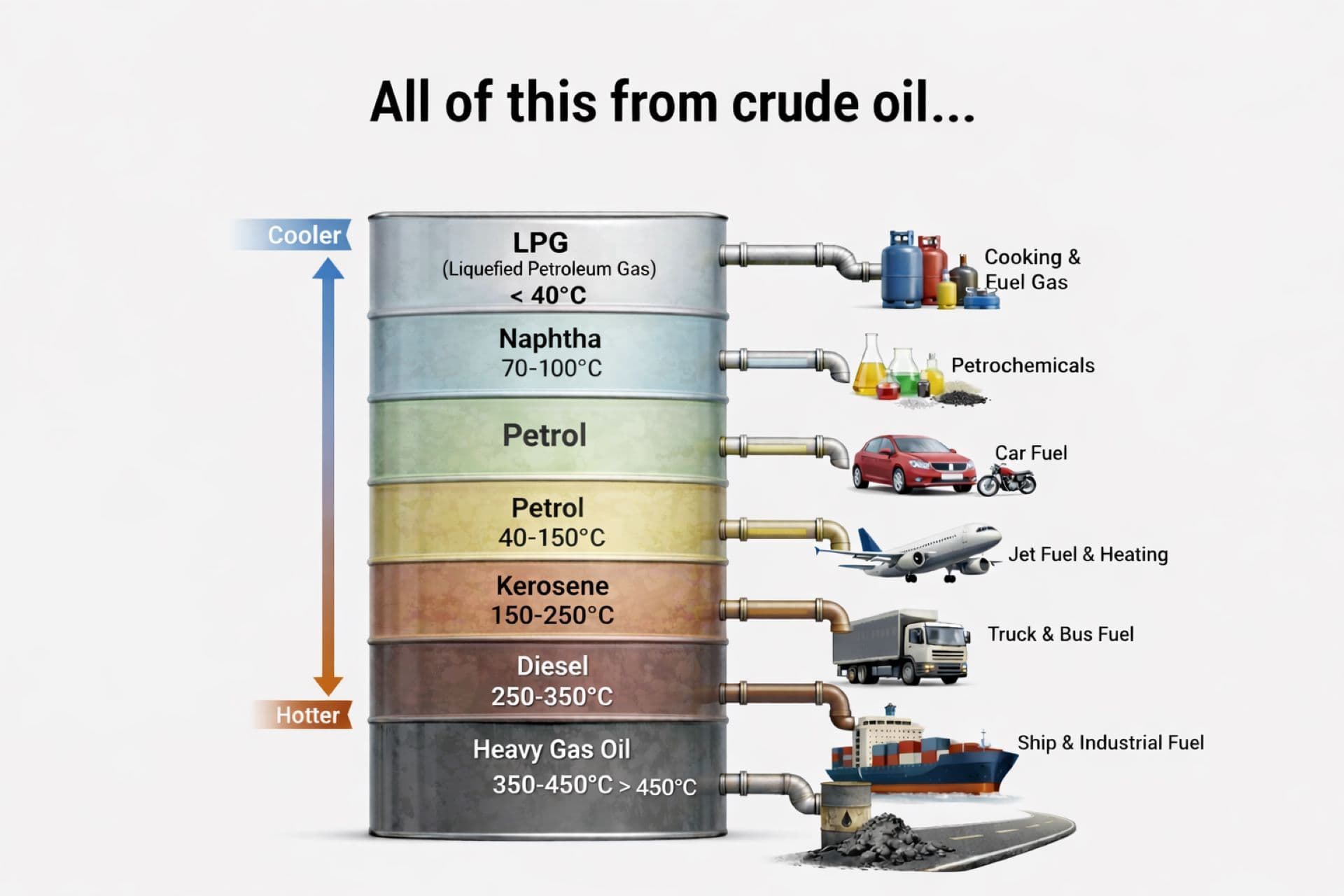
The United Nations World Food Programme has warned that crude oil’s central role in manufacturing—from chemicals and packaging to fertilisers—poses a serious challenge to food production in South Africa and across the continent. Rising input costs threaten to exacerbate existing vulnerabilities in agricultural supply chains.
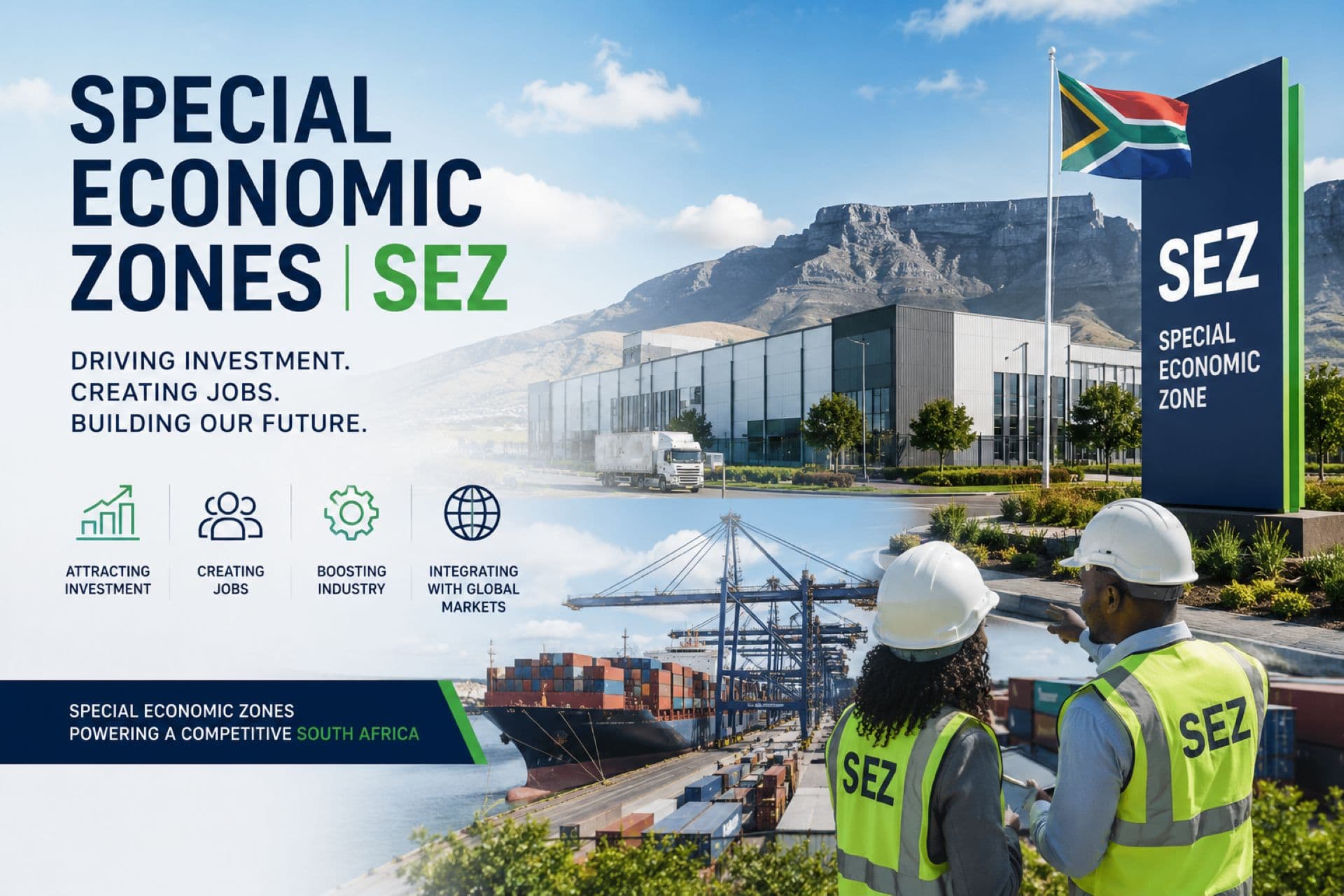
Yet amid the turmoil, there is a modest upside for southern Africa. CNBC Africa reports that ports in the region are benefiting from increased vessel calls and bunkering demand as shipping routes divert around the Cape. This unexpected boost underscores how geopolitical crises can reshape trade flows, offering opportunities even as they strain economies.
The unfolding conflict demonstrates how deeply oil is woven into modern life. From household goods to global food security, the consequences of instability in the Middle East reverberate across industries, leaving few untouched by its reach.
Staff Writer
Reporting from the front lines of the automotive industry, delivering expert analysis and the technical updates that drive the South African motor sector forward.