Ethiopia’s transport sector is undergoing an accelerated transformation after the government’s decision to halt the import of petrol and diesel vehicles in 2024, a measure intended to relieve pressure on the country’s finances and reduce reliance on fuel imports.
The ban came into effect as the government responded to mounting fiscal challenges that had contributed to a sovereign default the previous year.
To support the transition, authorities sharply reduced tariffs on electric vehicles. Duties were set at 15 percent for fully assembled EVs, 5 percent for semi assembled units and zero for kits intended for local assembly. These adjustments have improved affordability in a market long dominated by expensive used imports.
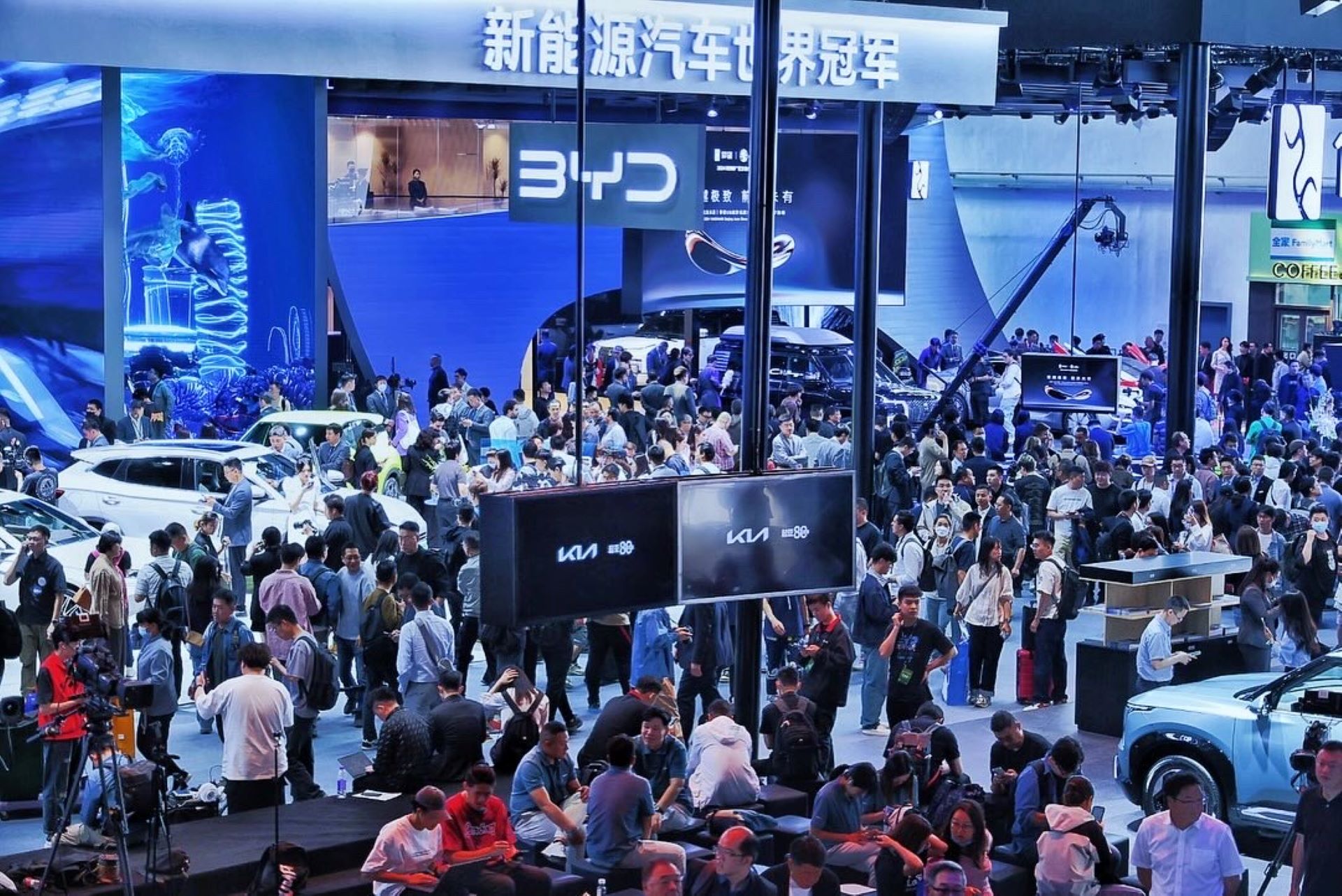
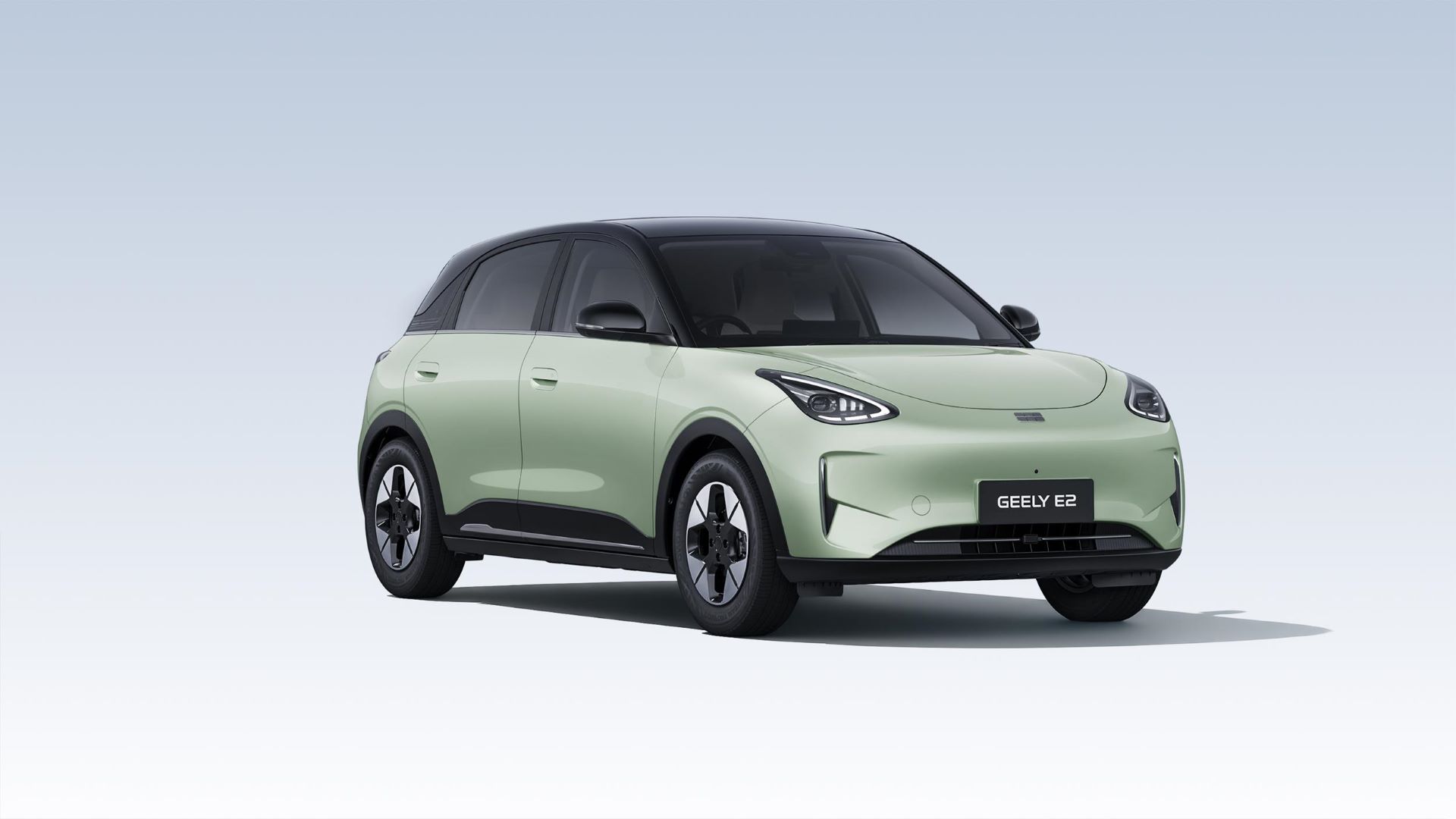
Chinese models such as BYD and Chang’an have quickly become prominent. A BYD Seagull currently sells for about R370 000 (3.6 million birr), a price directly enabled by the lower tariffs. Many used petrol cars that previously sold for more than R433 000 (4.2 million birr) now struggle to compete.
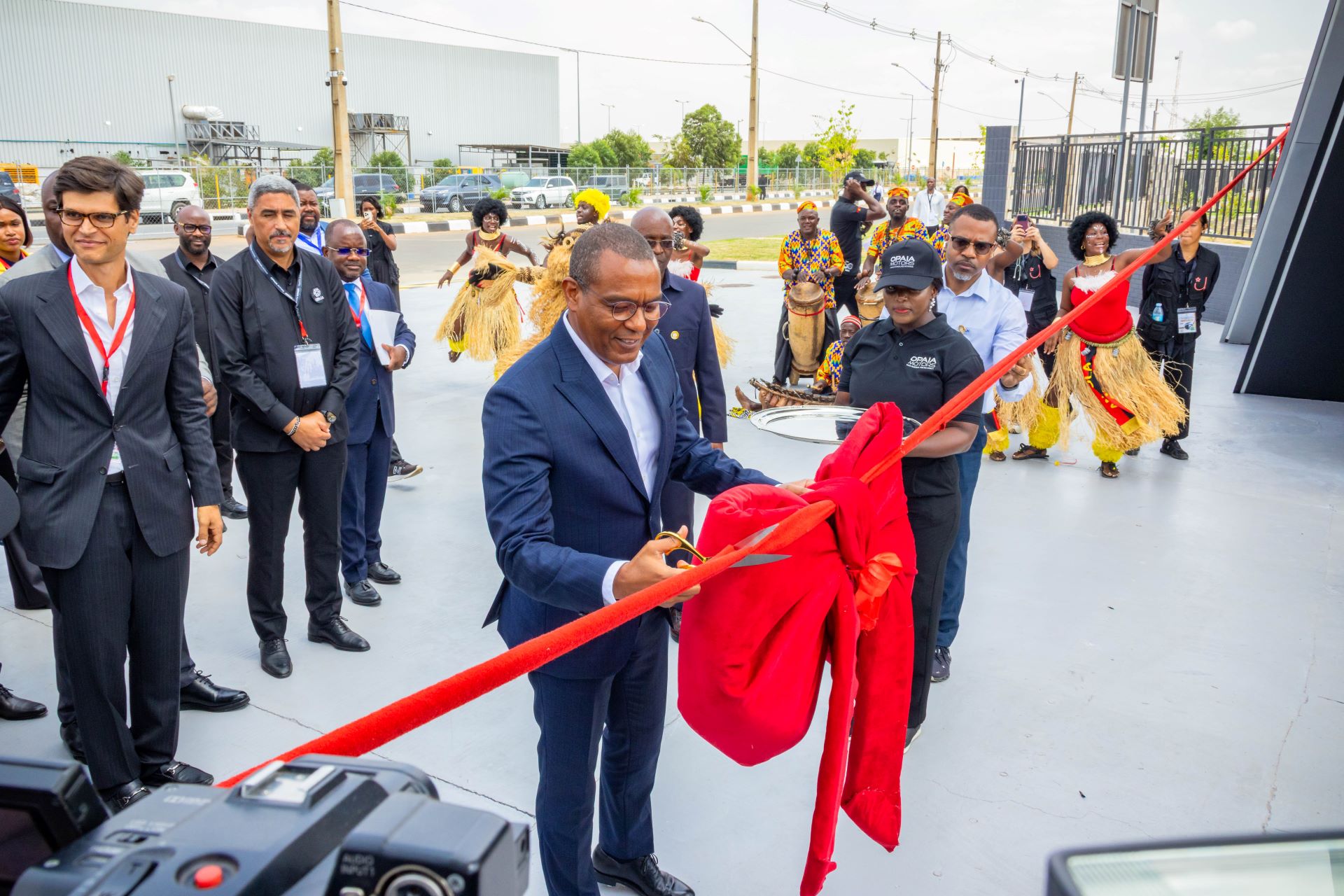
The policy shift has also encouraged domestic industry. Seventeen EV assembly plants are already operating, and the government intends to expand this number to sixty by 2030. As Ethiopia has historically manufactured very few vehicles, the assembly of imported EV components marks a significant change in direction.

Financial pressures remain central to the transition. After its 2023 default, Ethiopia agreed to a R54.3 billion ($3.4 billion) programme with the IMF to restore macroeconomic stability. Reducing fuel imports is a critical part of balancing the country’s foreign exchange position.
Ethiopia benefits from low cost hydropower, particularly from the Grand Ethiopian Renaissance Dam, which produces electricity at about R1.60 ($0.10) per kWh. This low electricity cost has become a major incentive for drivers choosing to adopt EVs.
Infrastructure, though expanding, still presents challenges. Approximately 500 public charging stations operate nationwide, with most located in Addis Ababa. Access to electricity remains uneven, with just over half of the population connected to the grid, limiting the countrywide impact of the EV push.
Despite these obstacles, Ethiopia’s strategy positions it as an early mover in Africa’s shift to electric mobility. By capitalising on domestic energy resources and reducing exposure to volatile fuel markets, the country is laying the groundwork for a transport system that relies more on locally generated power than imported fuel.