Subaru drivers are embracing technology that monitors their eye movements, with 87% keeping their DriverFocus system switched on, according to new research that challenges assumptions about motorist privacy concerns.
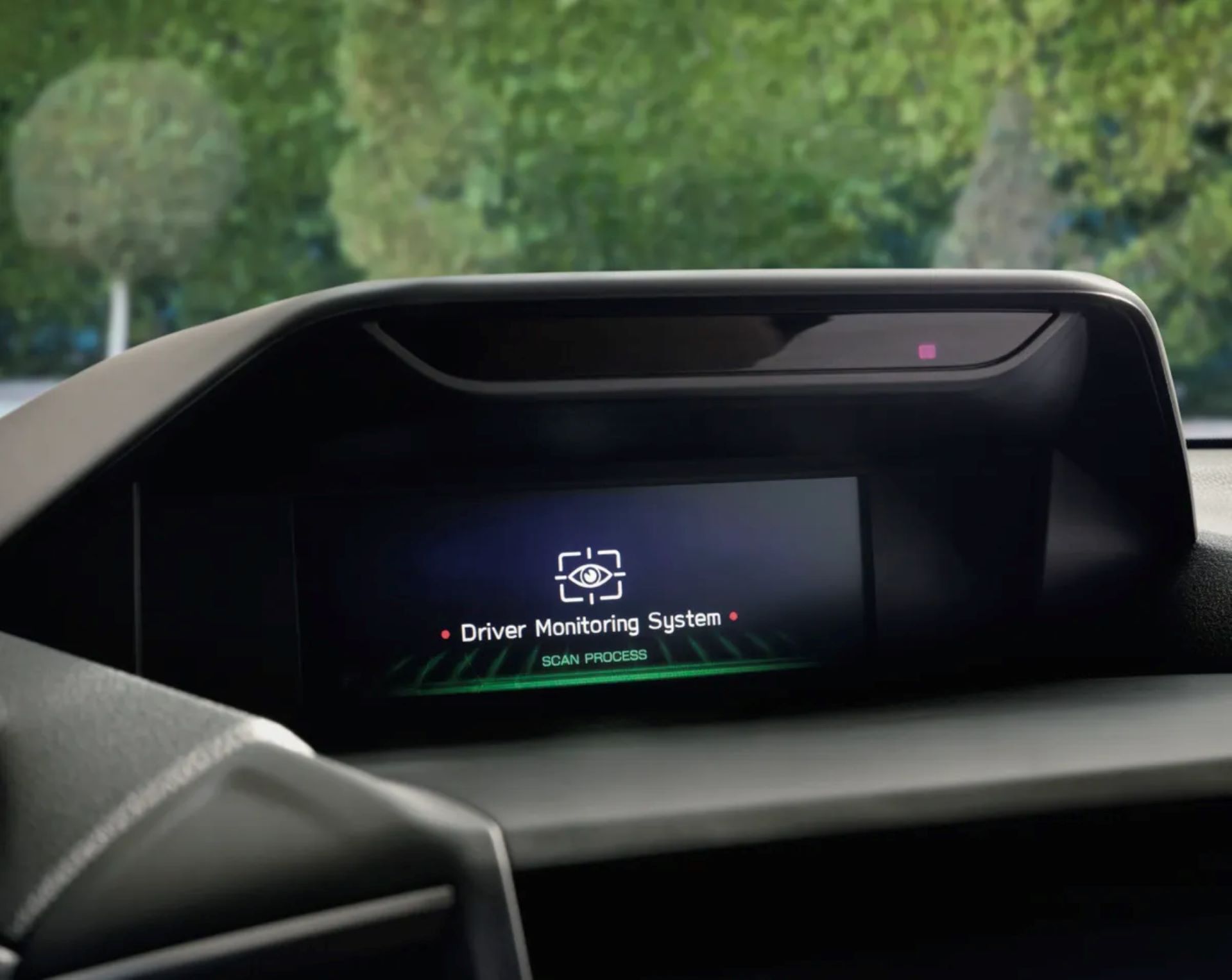
The Insurance Institute for Highway Safety surveyed nearly 3,500 Subaru owners about the camera-based system, which alerts drivers when they appear distracted or drowsy by tracking whether their eyes are open and focused on the road.
Motorists See Safety Benefits
Despite using interior cameras to monitor behaviour, the technology has won over users through demonstrated safety benefits. Nearly two-thirds of active users believe it makes them safer drivers, whilst 70% would want the system in their next vehicle.
"Distraction and drowsiness are factors in thousands of crash deaths every year," said IIHS President David Harkey, calling the high acceptance rate "surprising and very encouraging."
The system operates independently of automated driving features, making it relevant for everyday motoring. This proves crucial as distraction and drowsiness contributed to nearly 4,000 US road deaths in 2023.
'False Alarms' Highlight Hidden Dangers
The small percentage who disabled the system cited annoying alerts as their main complaint. However, many supposed false alarms actually detected genuinely risky behaviour that drivers didn't recognise as dangerous.
Users frequently reported unwanted warnings when changing lanes'typically because they looked sideways without indicating. Others received alerts for glancing at navigation screens or dashboard controls.
"We do a lot of things behind the wheel almost unconsciously, without thinking that they're unsafe," explained lead researcher Aimee Cox.
Nearly all users received distraction alerts in the month before the survey, whilst about a third got drowsiness warnings. Crucially, 12% admitted receiving drowsiness alerts when genuinely about to fall asleep.
Future Refinements Planned
Researchers suggest improvements could boost acceptance further, including escalating alert systems that start with steering wheel vibrations before progressing to audible warnings.
The positive findings may encourage wider adoption of attention-monitoring technology across the automotive industry, potentially making such systems as standard as current safety features like electronic stability control.
Staff Writer
Reporting from the front lines of the automotive industry, delivering expert analysis and the technical updates that drive the South African motor sector forward.