Continental has marked a significant achievement in its sustainability journey, successfully eliminating coal and heavy fuel oil from every one of its tyre production facilities worldwide.
As of January 2026, all sites now rely entirely on cleaner, alternative energy sources for steam generation—one of the most energy-intensive aspects of tyre manufacturing.
The company has replaced fossil-based steam production with a tailored mix of biomass, biogas, renewable electricity, and lower-emission fuels such as natural gas and LPG. This shift is central to Continental’s ambition to build a resilient and climate-conscious manufacturing network.
Dr Bernhard Trilken, Head of Manufacturing and Logistics at Continental Tires, describes the milestone as a defining step towards energy independence. By increasingly sourcing renewable energy—ideally at or near production sites—the company aims to strengthen long-term operational stability while reducing its environmental impact.
Only a few years ago, seven of Continental’s 19 global plants still depended on coal and heavy fuel oil to manage the constant heat requirements of tyre production, particularly in regions where electricity and gas infrastructure remained underdeveloped. Today, sustained investment in modern energy systems has enabled a full transition across the company’s global footprint.
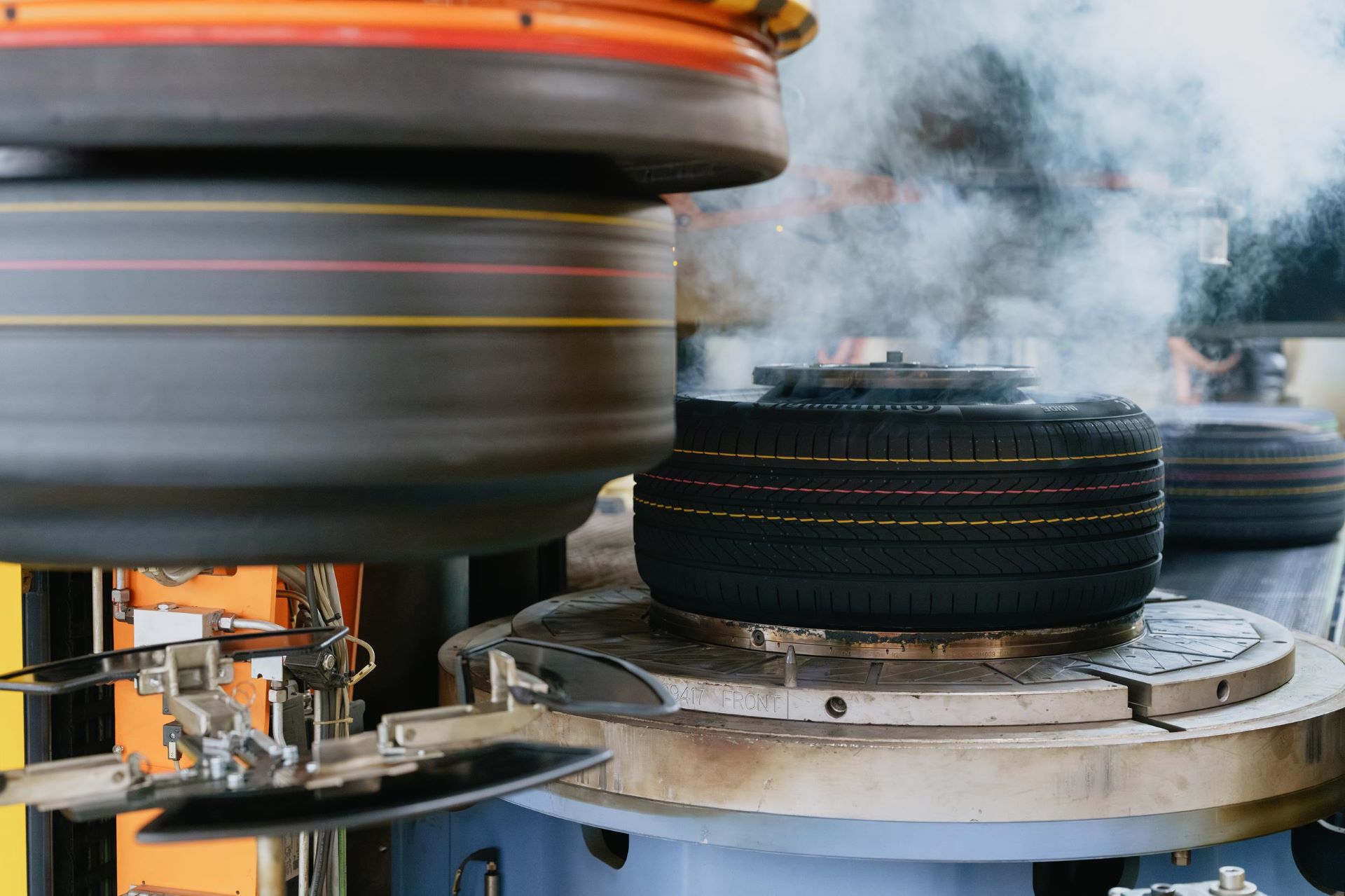
A major share of energy in tyre production is consumed during vulcanisation, the process that gives tyres their durability and elasticity. Historically reliant on fossil-fuelled steam, this step is increasingly powered by advanced electric technologies, which offer greater efficiency and lower emissions. Since 2020, Continental has also sourced all its electricity from renewable providers, further strengthening its climate credentials.
The company’s efforts have yielded impressive results: greenhouse gas intensity across production fell by more than 10 per cent in 2025 compared with 2024, and by around 70 per cent compared with 2019. Over the past four years alone, Continental has removed an estimated 180,000 tonnes of CO₂ from its tyre-making operations.
The transition looks different in each region but follows a shared vision. In Gqeberha, South Africa, coal has been replaced primarily with biomass, supported by LPG. In Kalutara, Sri Lanka, the installation of a second biomass boiler has enabled the site to eliminate heavy oil entirely. In the Czech Republic, Continental’s Otrokovice plant now receives steam predominantly produced from biomass, thanks to a partnership with the local energy supplier—benefiting not only the factory but neighbouring communities that rely on district heating.
Continental continues to invest in efficiency and renewable energy across its operations. Its progress has been recognised by the independent organisation CDP, which awarded the company an A- rating in 2025 for climate transparency and emissions reduction.