Global carmakers are accelerating towards solid-state battery (SSB) production, with timelines converging on the late 2020s. QuantumScape’s new pilot facility in California and Karma Automotive’s partnership with Factorial Energy mark significant milestones.
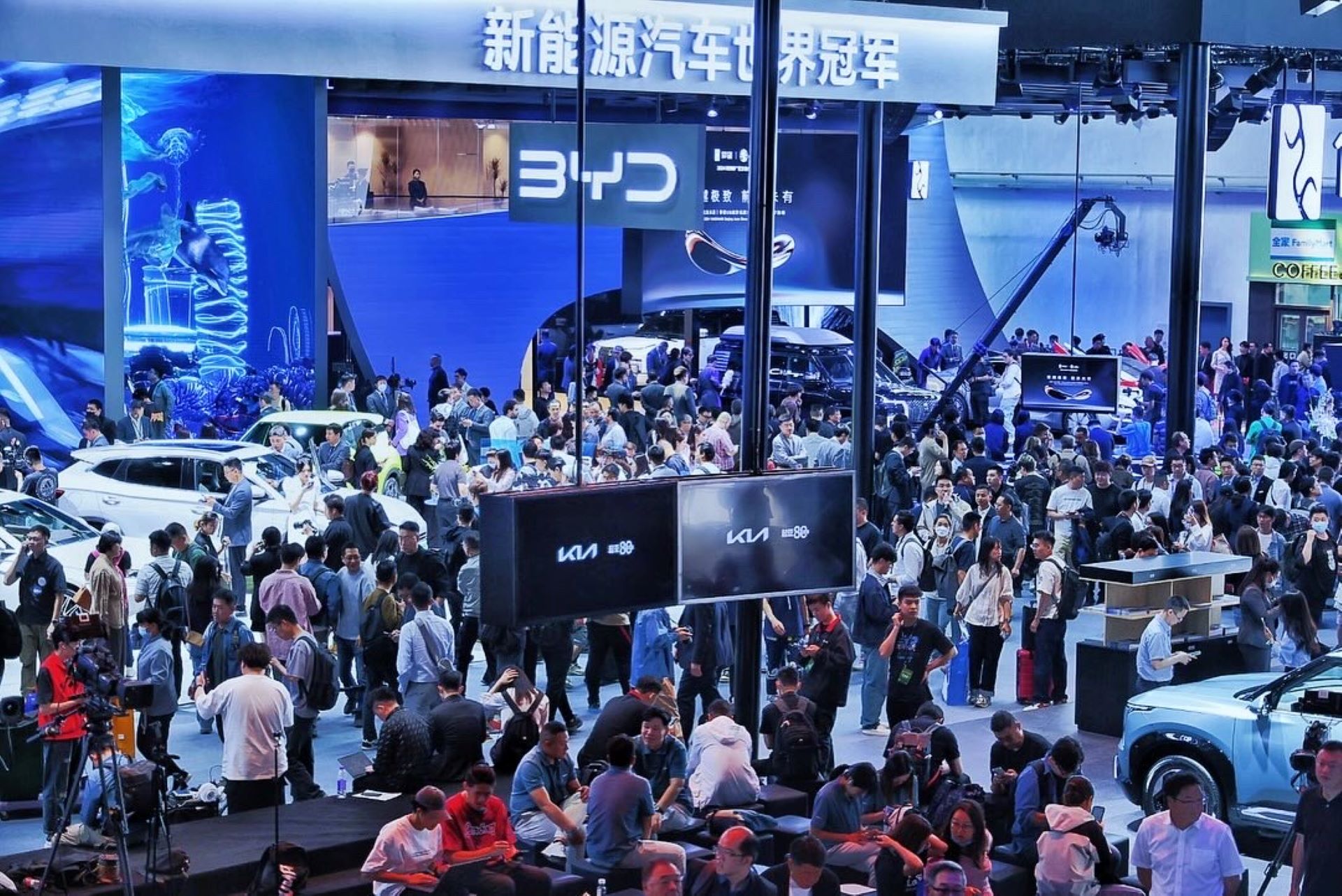
Factorial, backed by Mercedes-Benz, Stellantis and Hyundai/Kia, is preparing for mass production by 2029. Mercedes has already demonstrated a 1 205km journey in a solid-state EQS, while Stellantis plans Dodge Charger Daytona test fleets in 2026. Toyota, Nissan and BYD are lining up launches between 2027 and 2028, with BMW and Honda following in the early 2030s.
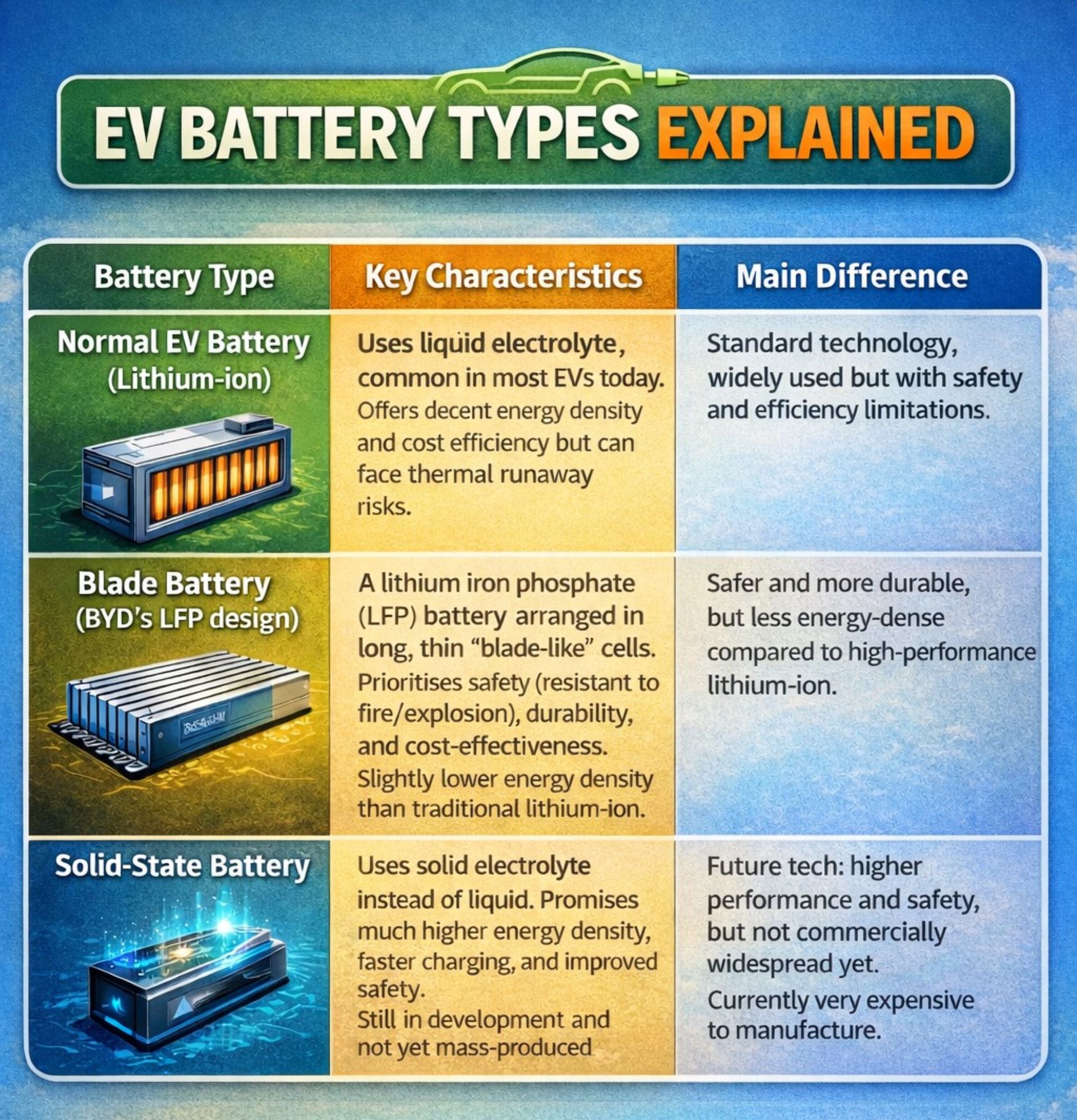
Chinese automakers are more cautious, trialling semi-solid batteries first. Analysts highlight the advantages of solid-state packs: lighter weight, higher energy density and ranges that could surpass 1 000km. But costs remain steep, with projected prices two to three times current lithium-ion packs.
Industry experts expect solid-state batteries to dominate luxury EVs before 2030, with wider adoption as supply chains mature. By 2035, competition between “wet” lithium-ion and “dry” solid-state cells could reshape the EV market entirely.
Photo: Priscilla Du Preez 🇨🇦 on Unsplash