Europe’s automotive landscape is poised for a dramatic transformation, with battery electric vehicles (BEVs) projected to capture more than half of all new light vehicle sales by 2032, according to fresh analysis from EY. The consultancy’s latest report forecasts that electric vehicles will overtake hybrid sales after 2030, ultimately achieving near-total dominance by 2050.
This ambitious trajectory reflects a confluence of policy pressures, recovering consumer demand, and the long-awaited arrival of more affordable electric models. The VDA forecasts the European new car market to grow by 2% but battery-electric car sales in Europe will increase by 67% in 2025, highlighting the accelerating shift towards electrification.
However, the road ahead remains challenging. Europe saw sales stagnate in 2024 as subsidy schemes and other supportive policies waned, but the sales share of electric cars remained around 20%, according to the International Energy Agency’s latest Global EV Outlook. Despite this temporary plateau, the European electric vehicle (BEV) market has achieved an unprecedented milestone, with electric vehicle sales in Europe reaching a commanding 22% market share in 2024.
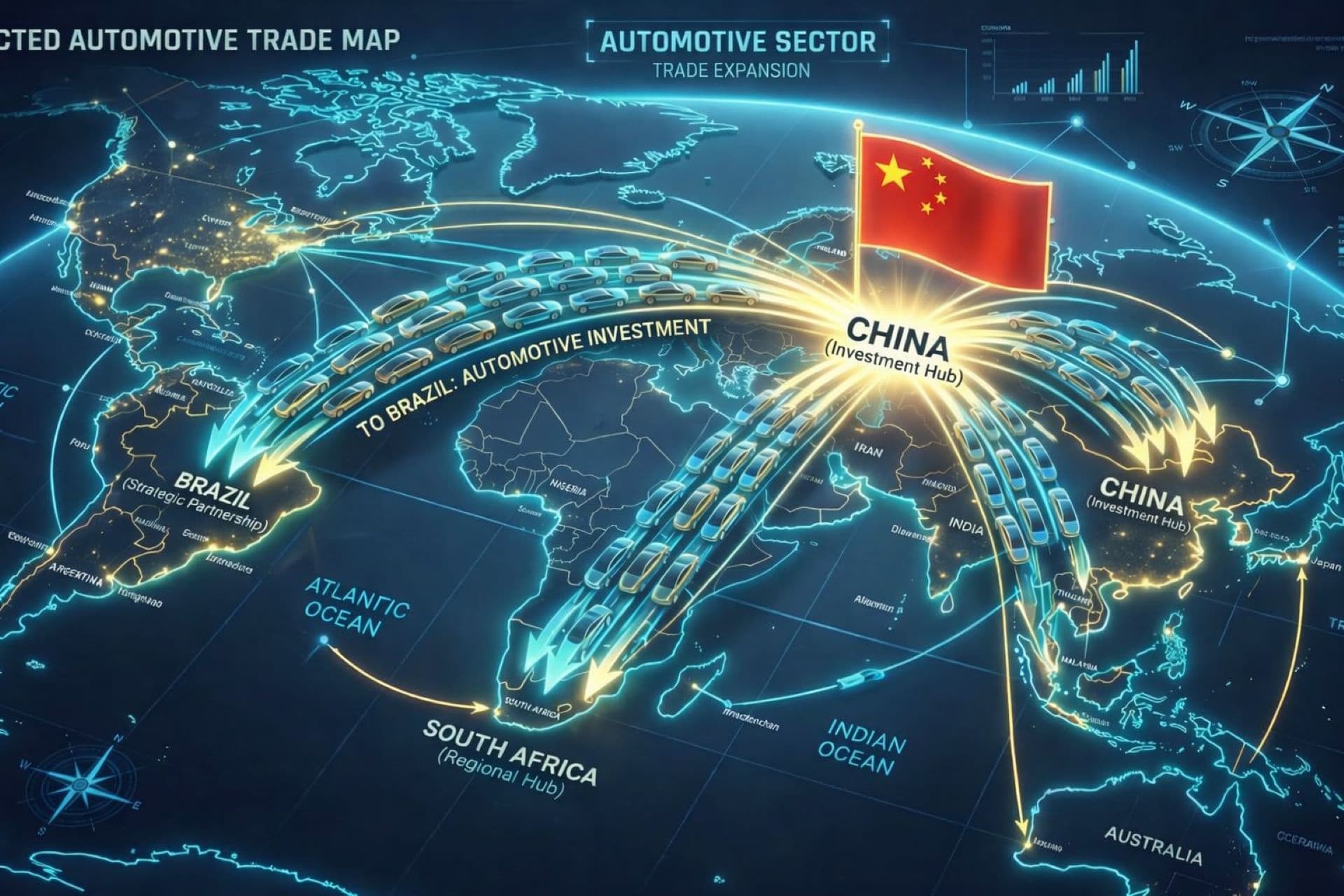
The competitive landscape is increasingly dominated by Chinese manufacturers, who have leveraged aggressive pricing strategies and rapid innovation to capture significant market share. Following an anti-subsidy investigation, the EU introduced variable BEV import tariffs on specific Chinese automakers of up to an additional 35.3% in 2024, as European policymakers attempt to protect domestic manufacturers whilst maintaining market competition.
European automotive giants are fighting back at events such as this year’s IAA Mobility in Munich, where they’re showcasing new electric models designed to compete with Chinese rivals. However, they face a challenging environment characterised by supply chain disruptions, rising material costs, and intensifying trade tensions.
The broader global context adds further complexity to Europe’s electric transition. Electric car sales topped 17 million worldwide in 2024, rising by more than 25%, with China maintaining its dominant position. Meanwhile, across the Atlantic, American EV sales face uncertainty as federal tax credits face potential phase-out, creating a window of opportunity for accelerated adoption before policy changes take effect.
Looking ahead, EY’s analysis suggests that moderate growth will characterise the global automotive sector, with expansion slowing from 8% in 2023 to just 2.2% year-on-year in 2025, before declining further to under 2% annually by 2030. This deceleration reflects mounting challenges including escalating trade tensions, critical material shortages—particularly rare earth elements—and policy uncertainties surrounding government incentives.
The European market’s evolution will largely depend on manufacturers' ability to deliver genuinely affordable electric vehicles that can compete with traditional petrol and diesel models on both price and performance. EV adoption in Europe slowed in 2024 as automakers delayed sales and model launch plans to coincide with tightening vehicle CO2 regulations in 2025, suggesting strategic positioning ahead of stricter environmental standards.
Despite these near-term challenges, the fundamental trajectory towards electrification appears unstoppable. Policy targets, improving battery technology, expanding charging infrastructure, and growing environmental consciousness amongst consumers are creating powerful tailwinds for the electric vehicle sector.
The transformation won’t be uniform across Europe, with Nordic countries like Norway already achieving BEVs holding the largest market share (88%), whilst other nations lag significantly behind. This disparity highlights the importance of coordinated policy approaches and infrastructure investment to ensure the continent’s electric transition proceeds smoothly.
As Europe navigates this pivotal decade, the success of its electric vehicle ambitions will depend on balancing competitive pressures from abroad with support for domestic innovation, whilst ensuring the transition remains accessible to consumers across all income levels.
Staff Writer
Reporting from the front lines of the automotive industry, delivering expert analysis and the technical updates that drive the South African motor sector forward.
More news from International News