Only 15 Chinese new energy vehicle (NEV) brands could be left by 2030. According to Alix Partner's 2025 Global Automotive Outlook, the glut of EVs, PHEVs, HEVs and other new energy vehicle brands in China will squeeze their profitability and kill close to 90% of brands in the next five years. Alix Partners (AP) is a global consulting firm that specializes in helping businesses address complex challenges, particularly in situations requiring performance improvement, turnaround, or restructuring. Their research on the automotive industry is well argued and hence well read and they believe that the oversupply of brands that all offer a similar product with slight brand and feature differentiation is not sustainable.
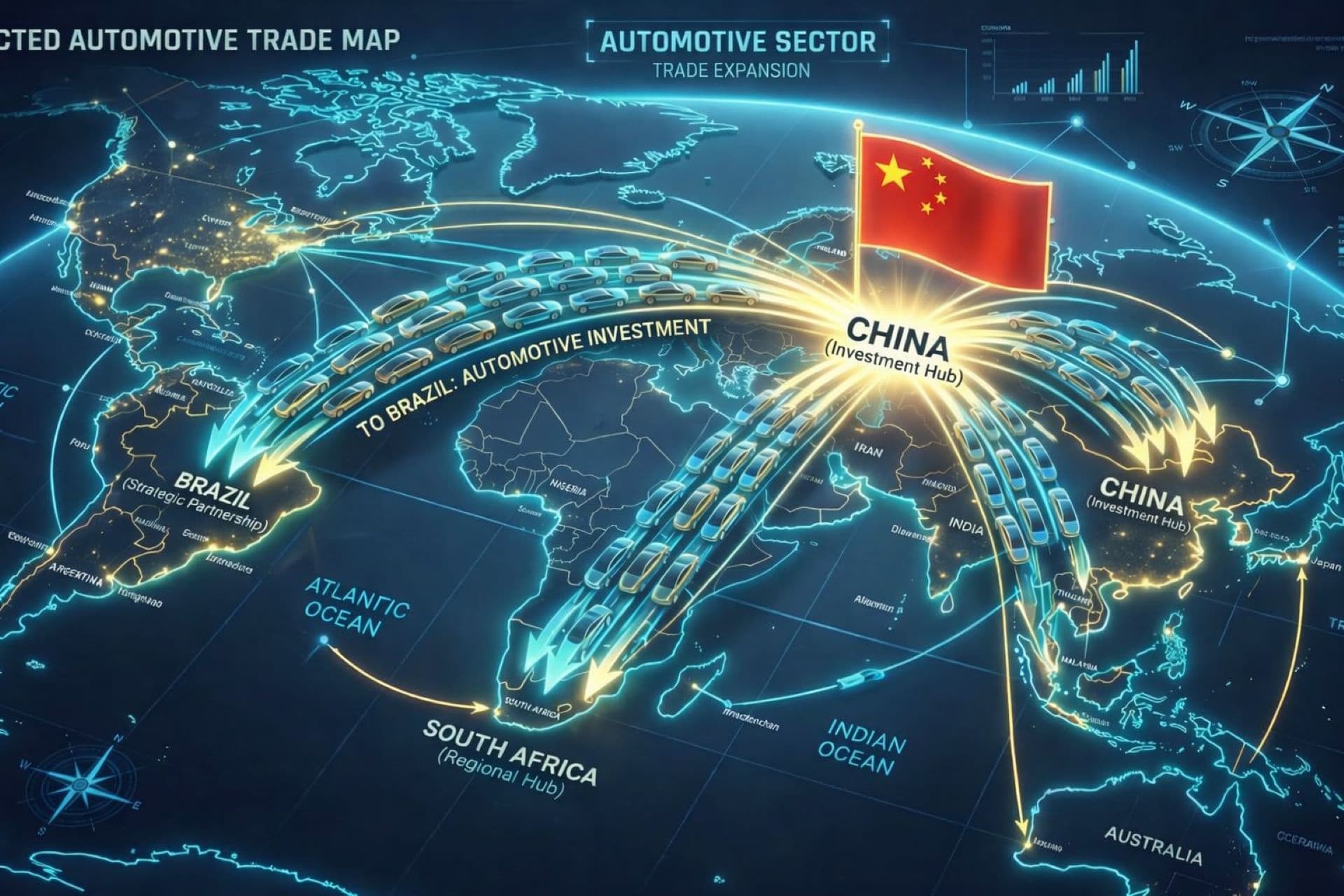
The competitive landscape in China remains intensely challenging. There are currently 129 NEV brands in China with price wars continuing to dominate market dynamics. However, these battles are increasingly shifting towards more subtle competitive factors, prompting stronger Chinese automakers to accelerate their international expansion plans. The ripple effects are particularly pronounced in Europe, where Chinese manufacturers are positioned to double their market share to 10% by 2030 through strategic localisation efforts. In 2024, EVs (both battery-electric and plug-in hybrids) made up about 48% of China's new vehicle market.
This expansion comes at a considerable cost to European manufacturers, who face declining capacity utilisation rates. Chinese automakers are expected to increase their annual European production by 800,000 vehicles by 2030, whilst their European counterparts may be forced to close facilities representing 400,000 vehicles in capacity'equivalent to approximately 1.5 production plants. This restructuring has triggered significant portfolio adjustments, with European suppliers earmarking over R335 billion (14 billion) in assets for disposal.
The financial implications extend beyond Europe, with new US tariffs expected to cost approximately R574 billion (24 billion) in 2026. These trade barriers are compelling many American companies to relocate their supply chains away from China to mitigate potential impacts.
Despite these challenges, the Chinese market's intense competition has fostered remarkable technological advances and cost efficiencies. Dr Stephen Dyer from AlixPartners notes that whilst this environment has driven innovation, it has also left many companies struggling to achieve sustainable profitability. As domestic growth slows and global trade barriers rise, Chinese EV manufacturers must focus on brand building, autonomous driving technologies, and international market localisation.
The surviving brands will capture three-quarters of total market share, fundamentally reshaping China's automotive landscape and establishing it as the primary force driving global industry transformation. This consolidation reflects the maturation of a market where only the most competitive manufacturers can navigate the treacherous waters of sustained price competition whilst achieving profitability.
According to the Alix Partners report, success in this evolving market requires mastering advanced mobility technologies, particularly advanced driver-assistance systems, where China now leads globally. Additionally, artificial intelligence-enabled solutions offer substantial operational improvements, potentially reducing development times by eight months and verification costs by 20%, helping bridge the gap with Chinese manufacturers' benchmark development speeds.
Staff Writer
Reporting from the front lines of the automotive industry, delivering expert analysis and the technical updates that drive the South African motor sector forward.
More news from International News