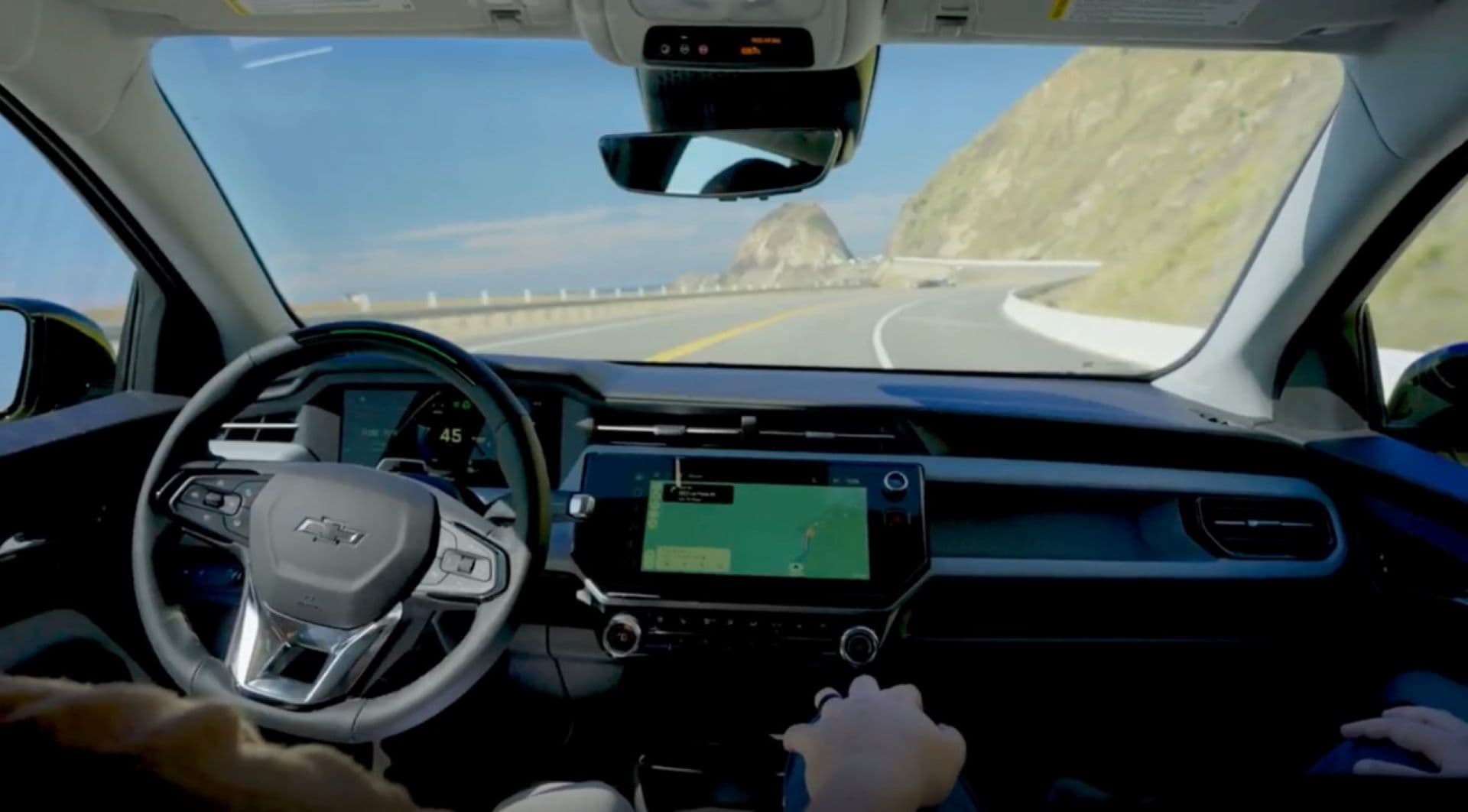
Australian motorists are becoming increasingly wary of autonomous driving, even as carmakers continue to promote the technology as the future of motoring.
A recent Savvy survey suggests that public confidence has moved sharply in the wrong direction, with 63% of respondents now expressing concerns about self-driving cars.
The findings point to a clear shift in sentiment since Savvy's previous survey in 2023. This year, 34% of respondents said they did not trust self-driving cars and felt uncomfortable with them, up from 22% three years ago. A further 28% said they had doubts but would be open to considering the technology in future, compared with 25% in the earlier survey. Meanwhile, the proportion of drivers who felt mostly or entirely comfortable with autonomous driving fell to just 17%, down from 29%.
For an industry that has spent years promising safer, smarter and more convenient travel, the results are a warning sign. Drivers may be happy to embrace many new vehicle features, from improved infotainment systems to advanced safety alerts, but handing over control of the car remains a far bigger psychological leap.
Savvy Managing Director Bill Tsouvalas said the survey showed that autonomous driving was not winning people over. His comments reflect a broader challenge for manufacturers: technical progress alone is unlikely to be enough if consumers do not feel reassured by what they see and hear.
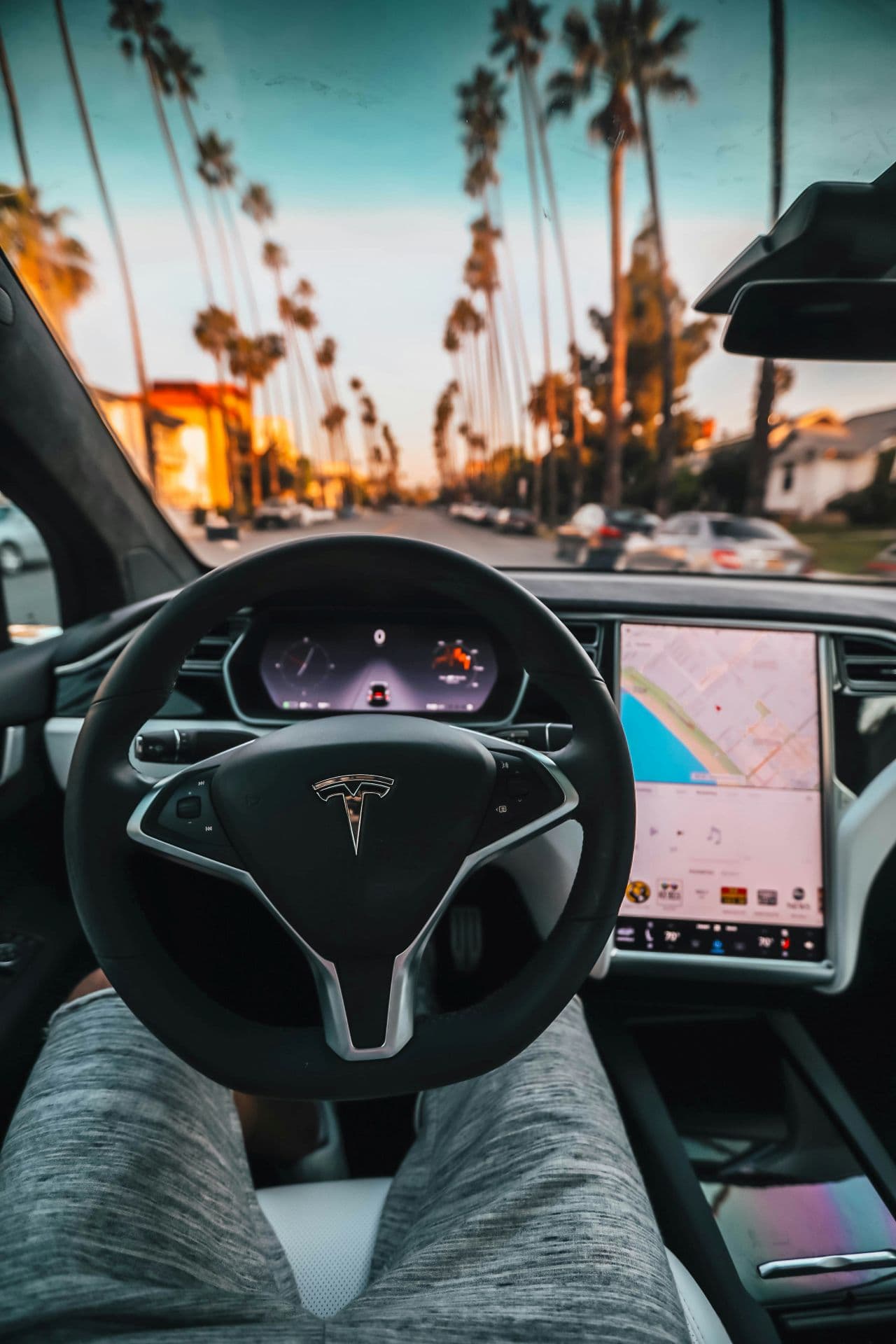
That concern has been sharpened by recent reports about Tesla's Full Self-Driving technology. Former Tesla employees cited in a Reuters investigation raised concerns about the system's ability to handle basic road scenarios consistently, including emergency vehicles, school buses and hazards. Such claims are likely to deepen public unease, particularly when set against confident statements from Tesla leadership about the readiness of the technology.
The issue is not simply whether autonomous systems can improve over time. It is whether drivers believe they are safe enough now, and whether carmakers are being transparent about their limits. Trust, once weakened, is difficult to rebuild.
BYD appears to recognise this challenge. In China, the company has said it will cover liability for crashes caused by its advanced driver assistance system, known as God's Eye. While that technology is not yet available in Australian BYD models, the move signals one way manufacturers may try to give consumers greater confidence.
For now, though, the message from Australian drivers is cautious. The road to autonomy may still be open, but public trust is travelling more slowly than the technology itself.
Staff Writer
Reporting from the front lines of the automotive industry, delivering expert analysis and the technical updates that drive the South African motor sector forward.