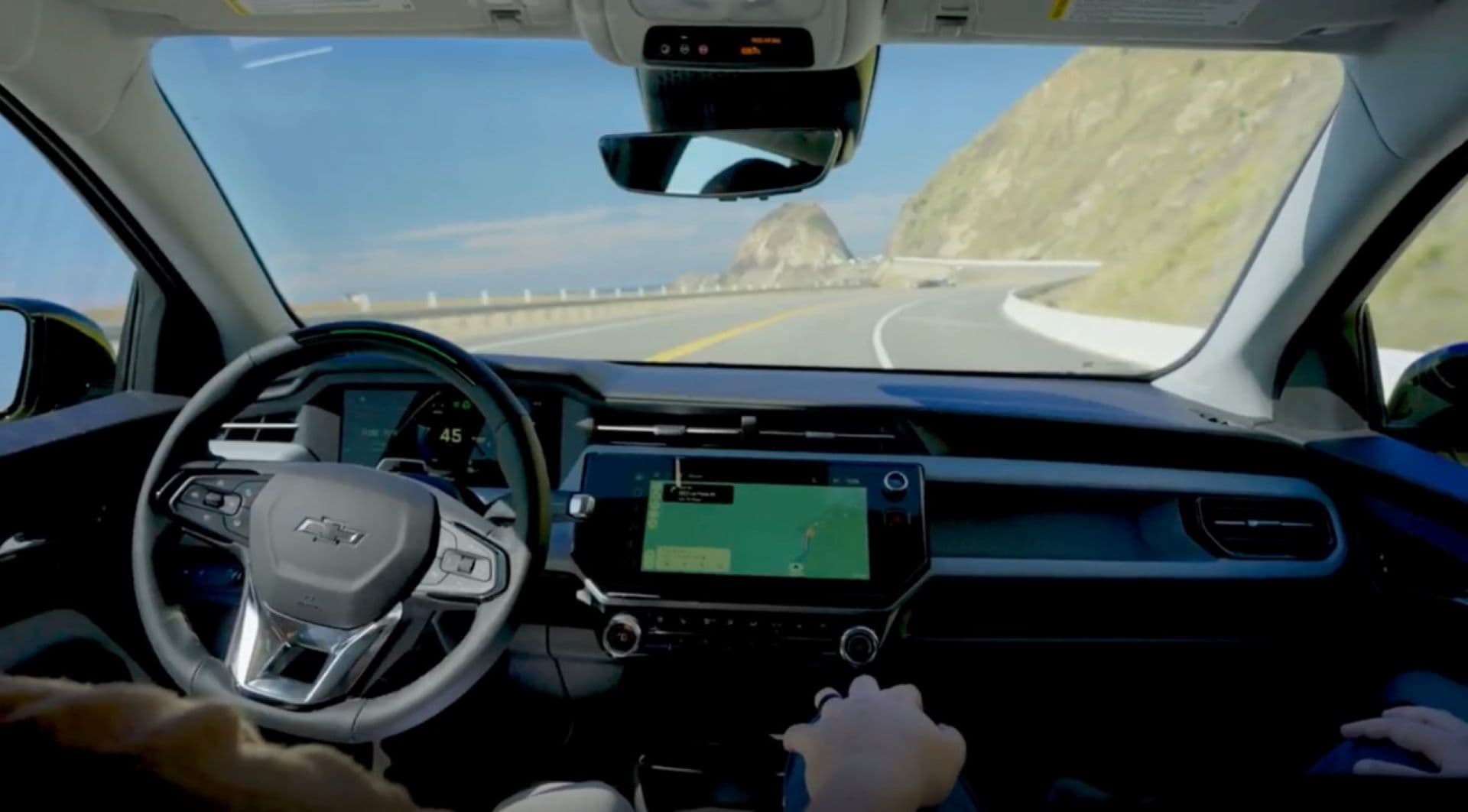
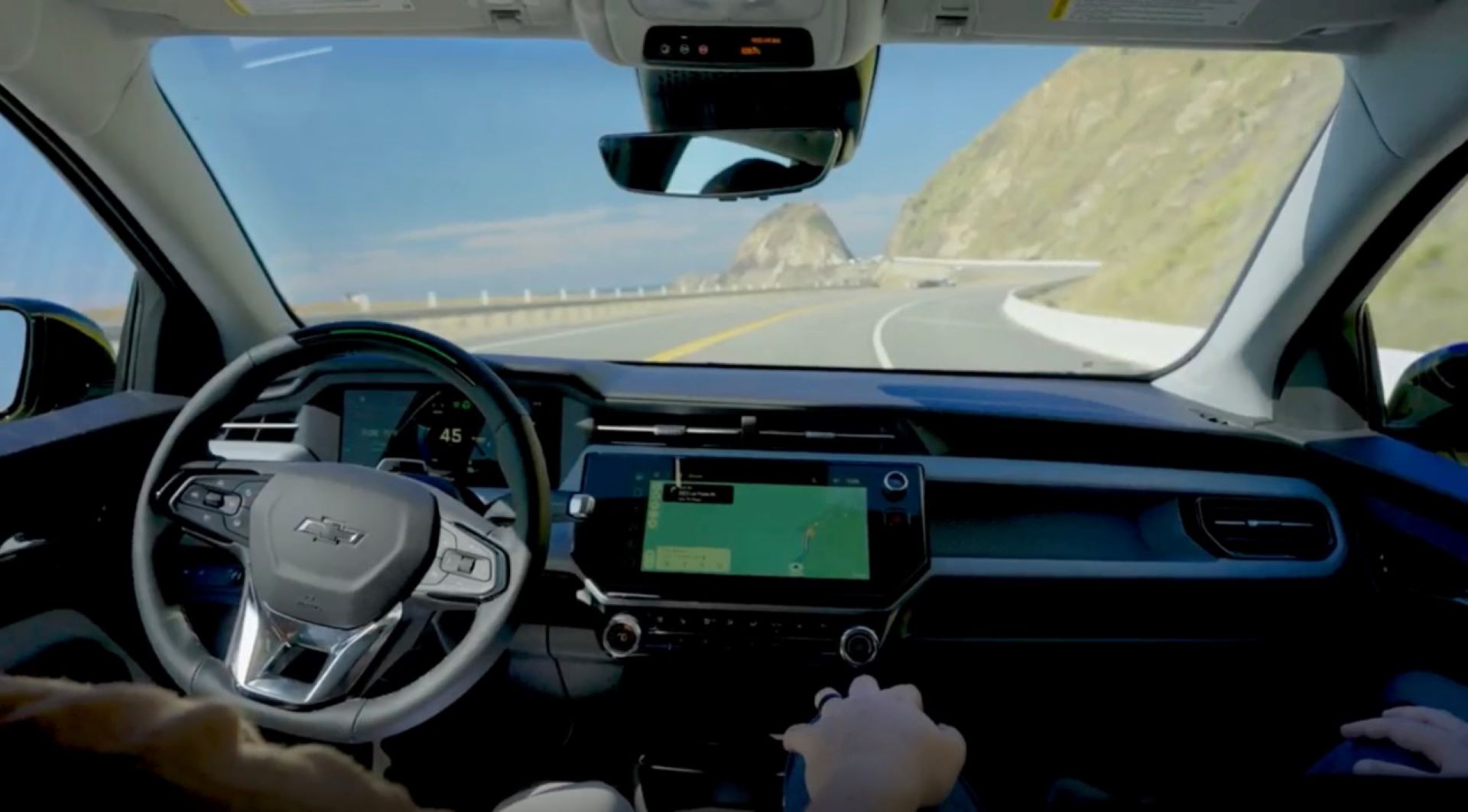
General Motors says drivers have now covered 1 billion miles hands-free using Super Cruise, its motorway-focused driver assistance system.
Beyond the space-age metaphor, the headline figure matters for a more grounded reason: it signals how quickly mainstream car makers are turning driver assistance into a high-usage, subscription-backed software product, powered by enormous volumes of real-world data.
GM’s own usage snapshot underlines that this is no niche feature. Over the last 12 months, customers used Super Cruise for 7.1 million hours across 28.7 million trips, averaging around 24 minutes of hands-free driving per journey. GM puts the current Super Cruise fleet at nearly 750,000 vehicles across 23 models in North America and expects subscriptions to top 850,000 by year-end.
Ford is chasing the same formula. In its 2025 usage round-up, the company said US BlueCruise hands-free miles rose 88% year-on-year, with 264 million miles and 3.8 million hours logged in 2025. Ford also reported a global installed base of about 1.22 million BlueCruise-equipped vehicles. The details differ by market and model, but the direction is consistent: broaden availability first, then let usage generate the data that improves the product and supports renewals.
Tesla’s approach is the outlier on operating domain. Its Full Self-Driving (Supervised) is designed to function on far more road types than geofenced motorway systems, and Tesla publicly displays cumulative supervised miles on its website, which recently passed 10 billion. That scale is difficult to match because it comes from a much larger global fleet running frequent over-the-air updates. However, it is not a direct apples-to-apples comparison with hands-free motorway features: much of Tesla’s mileage is accumulated with active driver supervision and without the same restrictions to pre-mapped road networks.
Meanwhile, Mercedes-Benz has taken a different route by commercialising a limited Level 3 system. DRIVE PILOT is certified for use on specific motorways in California and parts of Nevada and, under defined conditions such as heavy traffic at speeds under 40 mph, it allows hands-off and eyes-off driving. The trade-off is clear: less coverage, more legal permission to disengage from the driving task when the system is active.
The technology choices behind these systems reveal the pattern. GM Super Cruise and Ford BlueCruise prioritise hands-free comfort on controlled-access roads, backed by driver-monitoring cameras and rules that limit use to approved highways. Tesla pushes breadth, aiming to make software competent across a wider range of roads, using its fleet to capture edge cases at huge scale. Mercedes focuses on redundancy and regulation, accepting strict operational limits in exchange for conditional automation.
The emerging trend is not that one technical philosophy has won, but that mileage and engagement have become the key competitive currency. The more vehicles fitted, the more miles collected, the faster systems are refined, and the easier it becomes to sell ongoing software subscriptions. Expect more mainstream models to gain hands-free capability, more frequent software updates, and tighter driver monitoring as regulators and safety groups scrutinise how these features are used in the real world.
Staff Writer
Reporting from the front lines of the automotive industry, delivering expert analysis and the technical updates that drive the South African motor sector forward.