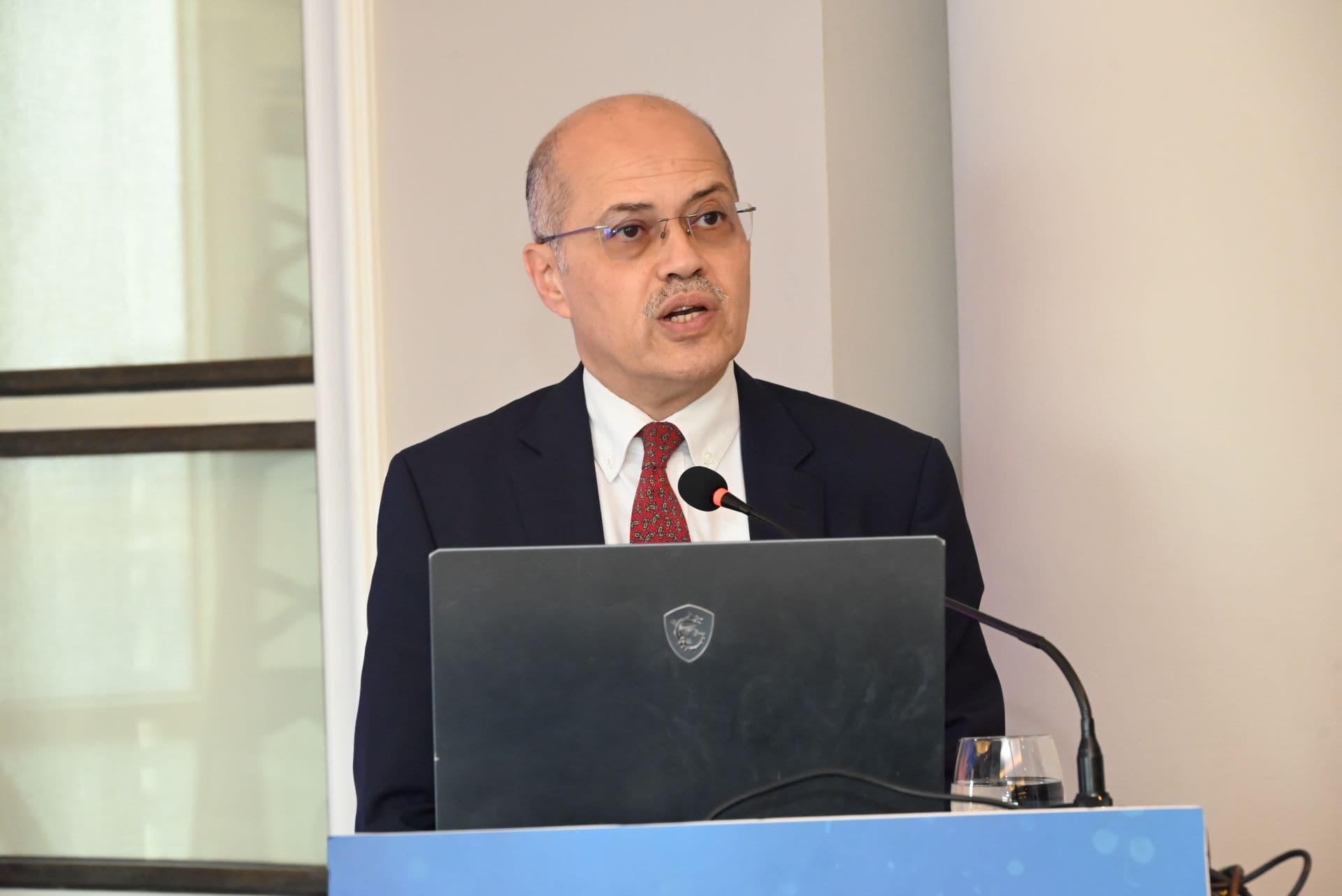
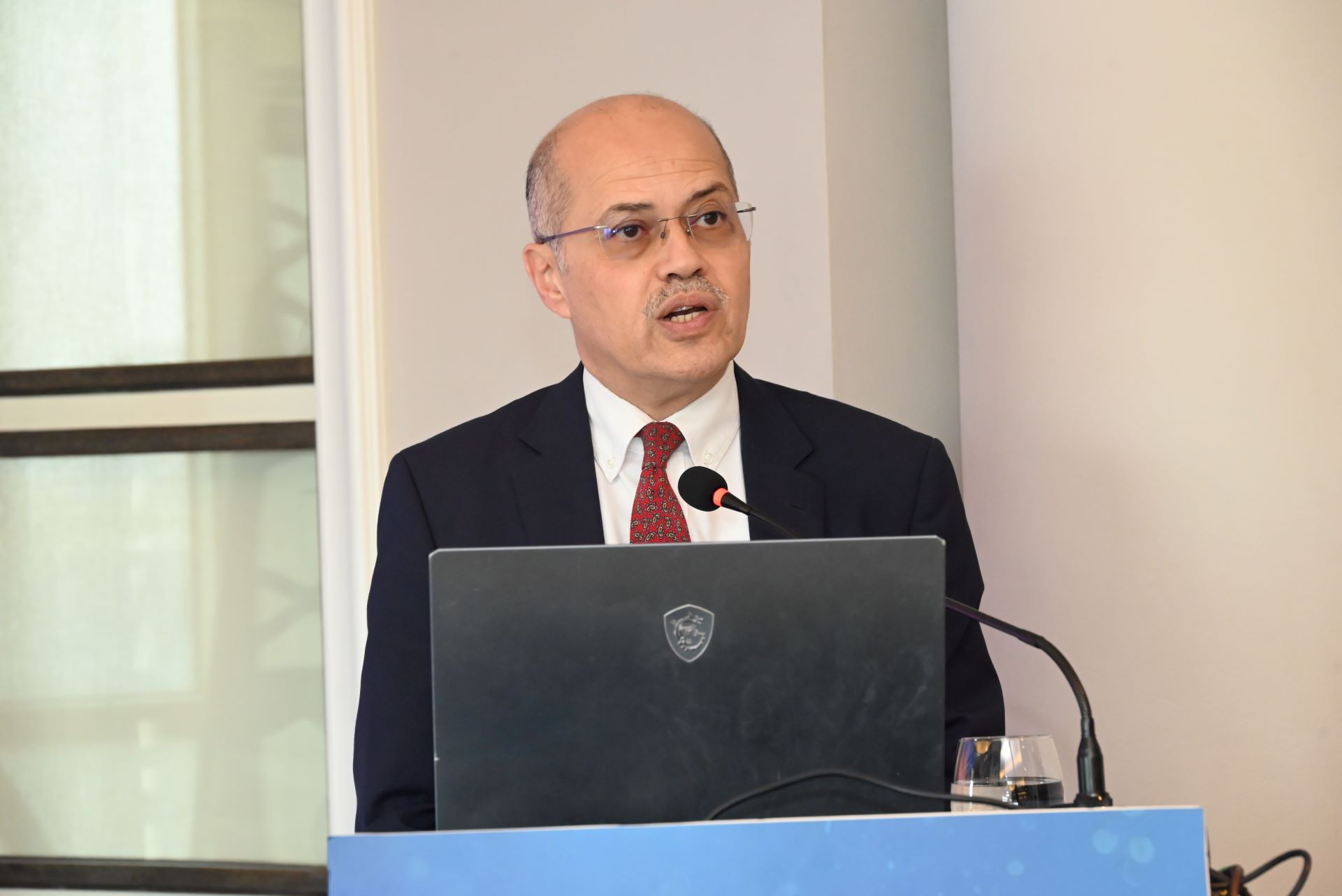
At a recent Automechanika breakfast, Dr Ahmed Fikry A Wahab, Board Member of the Engineering Export Council and Vice President for North Africa at the African Association of Automotive Manufacturers (AAAM), delivered a pointed message to policymakers and industry alike.
Africa, he said, does not suffer from a lack of demand; it suffers from ‘a market-formation problem’. His argument was that the continent’s automotive ambitions will not be realised through speeches and declarations, but through practical steps that build scale, suppliers and cross-border value chains.
To make the case, Dr Wahab offered a comparison designed to unsettle. India and Africa have broadly similar demographic weight, yet India produces more than five million passenger vehicles annually, while African output remains far lower and dispersed, with production concentrated mainly in Morocco, South Africa and Egypt. The difference, he suggested, is not destiny. It is the result of fragmented markets, inconsistent regulatory environments, weak vehicle finance and the dominance of used imports. Demand exists, and it will grow as trade, logistics and urbanisation expand, but the mechanisms that convert demand into industrial depth are still uneven.
That is why the African Continental Free Trade Area’s automotive Rules of Origin matter. Dr Wahab described the rules as a milestone, while insisting that implementation is the real test. The framework recognises that Africa cannot localise every input immediately, allowing up to 60 per cent non-African components while requiring 40 per cent qualifying African content. This, he argued, is a realistic on-ramp rather than a dilution of ambition, enabling early manufacturing and trade while encouraging localisation to deepen over time.
More important still is cumulation. Inputs made in one African country can contribute to originating content in another, making it possible to build an ‘African vehicle’ through regional supply chains rather than forcing each market to do everything alone. For smaller economies, this opens the door to participation through wiring, batteries, tyres, plastics, metal parts, testing, logistics and specialised services.
He also urged a shift in mindset about hubs. Egypt and South Africa, he argued, should be treated as complementary poles, not rivals. South Africa offers long-established OEM presence and supplier networks; Egypt offers scale, strategic geography and logistics strength. Linking these advantages through workable corridors could become a template for wider continental integration.
In that context, Automechanika Frankfurt and Automechanika Johannesburg become more than trade fairs. Frankfurt connects firms to global standards, technology and future mobility trends; Johannesburg connects them to African market realities and partnerships. The difference, Dr Wahab implied, lies in preparation. Without clear objectives and disciplined follow-up, participation is travel. With a plan, it can help turn policy into projects and potential into production.
Staff Writer
Reporting from the front lines of the automotive industry, delivering expert analysis and the technical updates that drive the South African motor sector forward.