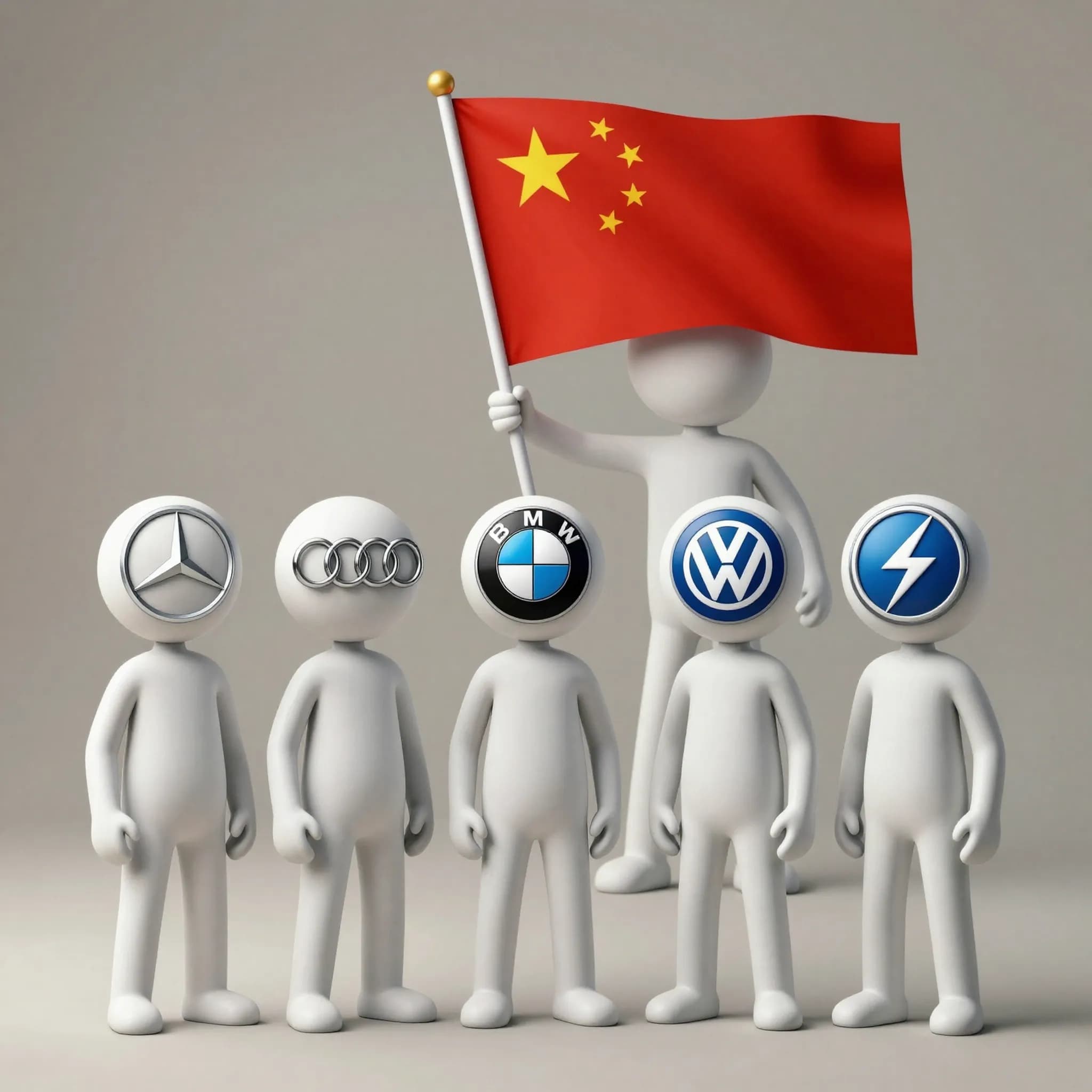
The Deloitte Global Automotive Consumer Study 2026 points to a fundamental reshaping of global automotive markets, with Germany and China moving in sharply different directions.
Germany, long the benchmark for premium automotive manufacturing, is facing weakening domestic demand and declining pricing power. China, by contrast, is emerging as a market where consumers actively reward innovation, technology and digital sophistication.
German consumers rethink value
Deloitte’s research indicates that German buyers have become more cautious and cost aware. Rising living costs and economic uncertainty have reduced consumers’ willingness to pay a premium purely for brand heritage. Instead, buyers are prioritising affordability, reliability and proven value.
This change has weakened the traditional home market advantage enjoyed by German manufacturers. Vehicles are being held for longer, purchase cycles are stretching, and incentives are playing a greater role in driving sales.
The challenge of electrification in Germany
Electrification remains a significant challenge. Deloitte concludes that a large scale shift to electric vehicles will not occur in 2026. High upfront costs, limited charging infrastructure and uncertainty around long term ownership continue to restrain demand.
Manufacturers have responded with aggressive discounting, particularly on electric models. While this may stimulate short term sales, it places pressure on profitability and undermines long term brand positioning.
China sets a new definition of premium
China presents a very different picture. Deloitte identifies strong consumer appetite for vehicles that deliver advanced technology and seamless digital integration. Chinese buyers are increasingly willing to pay for innovation, viewing software and connectivity as core components of vehicle value.
Local manufacturers have gained momentum by offering vehicles that combine cutting edge technology with competitive pricing. Premium in China is now associated with speed of innovation, intuitive user interfaces and continuous software enhancement.
A widening software gap
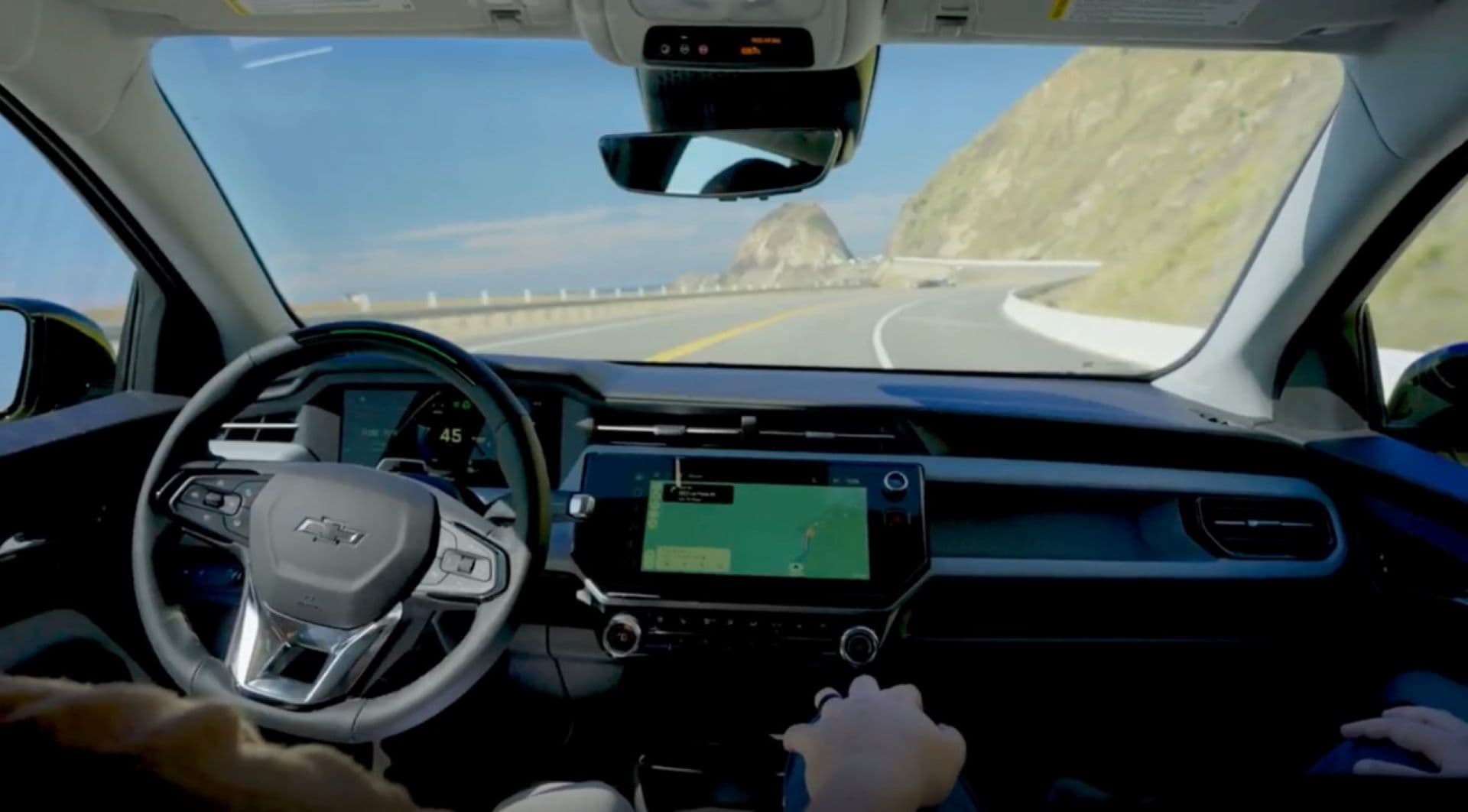
The Deloitte study highlights a widening gap between Asian and European consumer expectations around software. In China, digital ecosystems and over the air updates are central to the ownership experience. European consumers remain more conservative, placing greater emphasis on traditional driving characteristics.
This imbalance has allowed Chinese manufacturers to move quickly up the value chain, while German brands struggle to match the pace of software development.
Implications for South African buyers and brands
For South Africa, Deloitte’s findings offer a clear warning. The South African market shares similarities with Germany in terms of legacy brands and established production capabilities. However, the German experience illustrates how quickly consumer behaviour can shift when economic pressure rises.
Chinese manufacturers are already gaining ground locally by offering feature rich vehicles at attractive prices. The key lesson for South Africa is that competitiveness will increasingly depend on delivering clear value, embracing digital capability and responding quickly to changing consumer expectations rather than relying on historical brand strength alone.
Staff Writer
Reporting from the front lines of the automotive industry, delivering expert analysis and the technical updates that drive the South African motor sector forward.