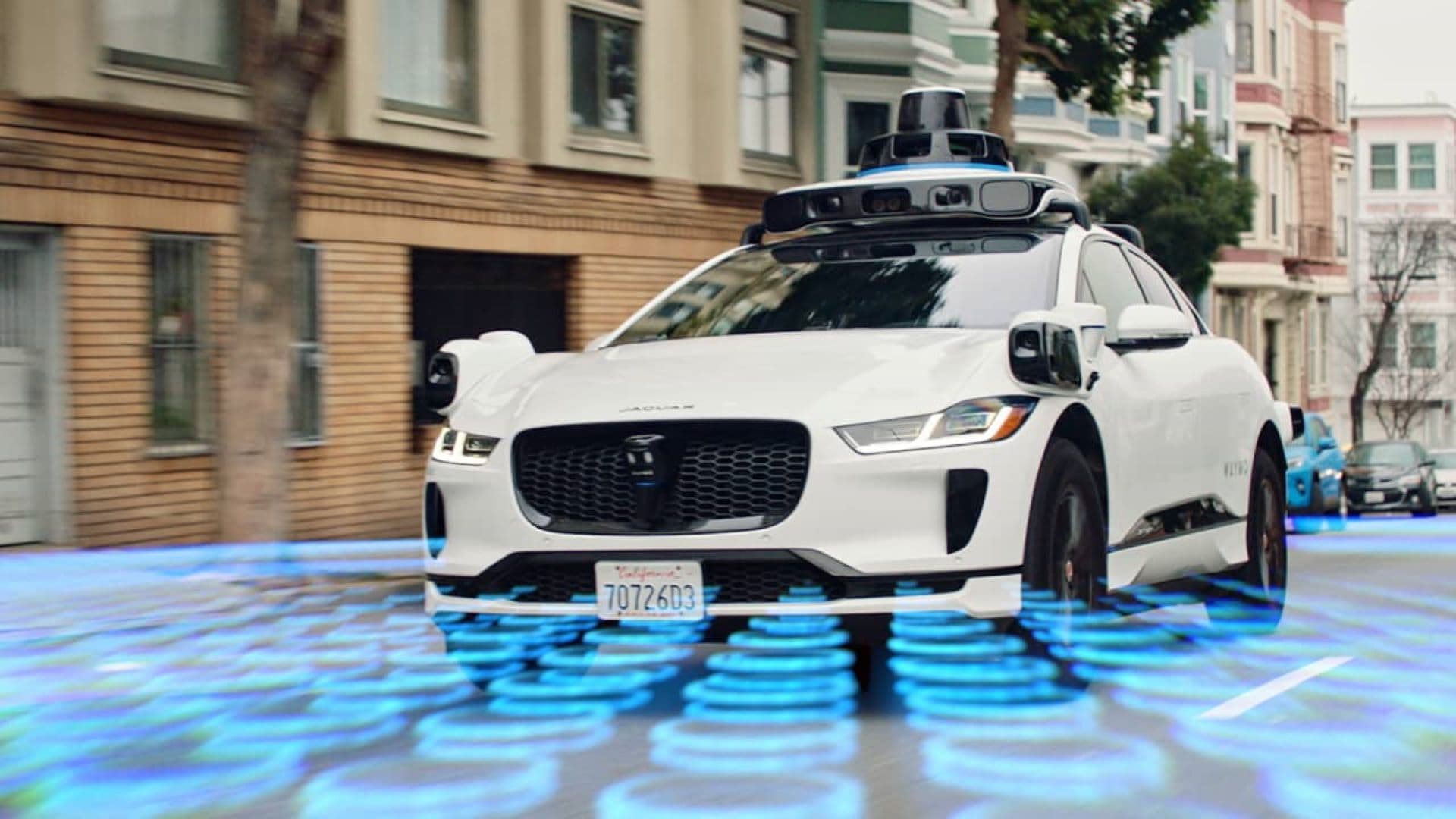
Waymo, the autonomous ride-hailing pioneer, has taken a significant step ahead of Tesla and other competitors by introducing the first fully driverless motorway service.
This new capability is being launched in three major cities: San Francisco, Phoenix and Los Angeles. Initially available to a select group of riders, the service will gradually expand in the coming weeks.
“Driving on motorways is deceptively simple to learn but extremely challenging to perfect when full autonomy is involved—especially without a human safety driver and at scale,” explained Waymo co-CEO Dmitri Dolgov during a press briefing. He noted that Google’s original self-driving project began testing on highways over 15 years ago, laying the groundwork for today’s achievement.
The motorway feature will allow Waymo to better connect cities across the Bay Area, extending coverage south to San Jose and creating a seamless 260-square-mile service zone. For the first time, passengers will also be able to book pick-ups and drop-offs at San Jose International Airport, complementing the airport service Waymo has offered in Phoenix since late 2022.
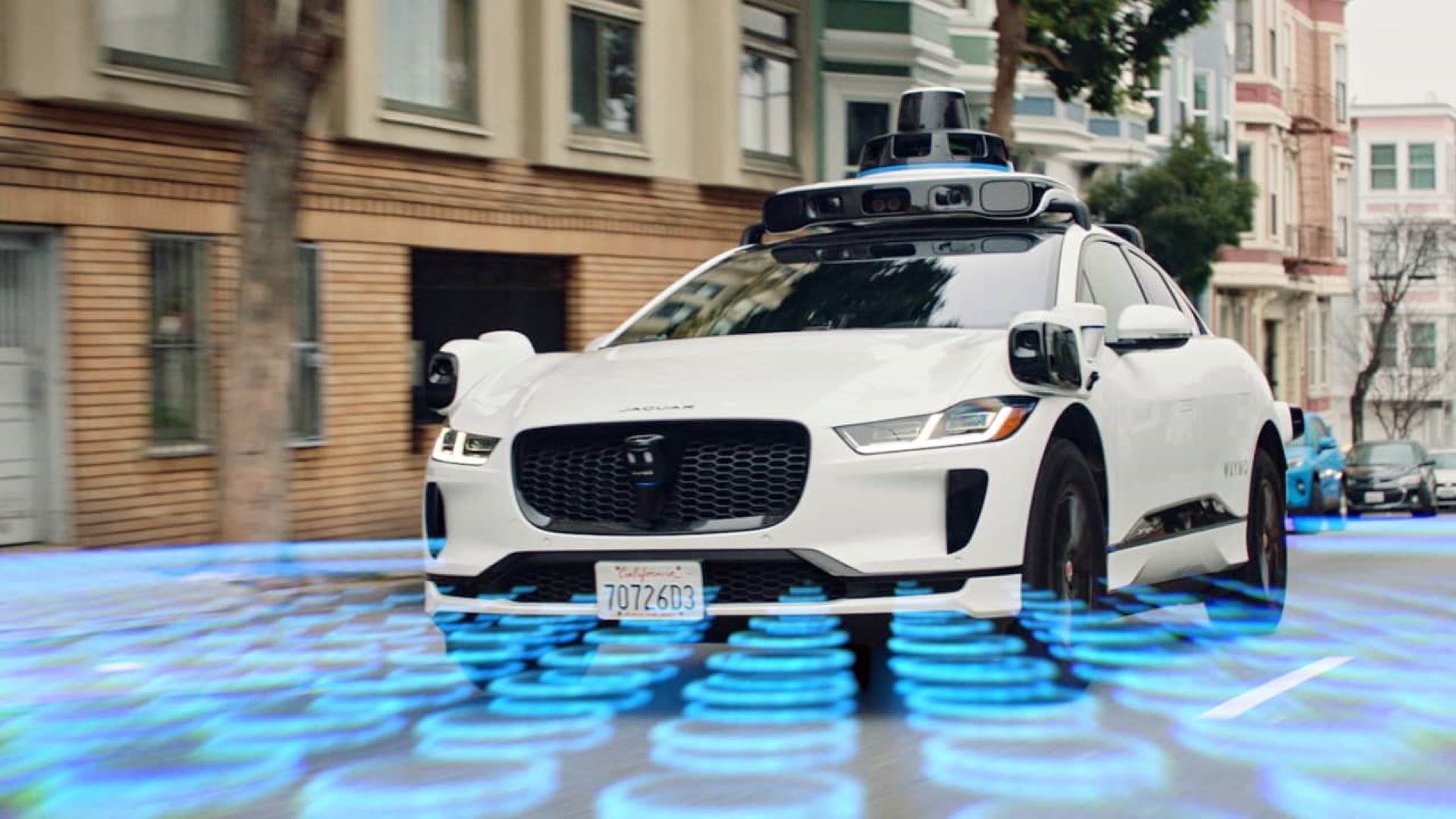
Supported by Alphabet, Waymo has spent more than a year trialling its Waymo Driver system on motorways with employees and invited guests. The company plans to introduce motorway rides in additional cities over time. Currently, Waymo operates in five markets and has partnerships with Uber in Austin and Atlanta, with future expansion announced for Detroit, Las Vegas, Dallas, San Diego, Miami and Washington, D.C.
Safety remains central to Waymo’s strategy. According to project manager Jacopo Sannazzaro, the Waymo Driver reduces crashes causing serious injuries by 91% compared with human drivers. “Motorway accidents often stem from fatigue, distraction or aggression,” he said. “Our system never tires, never loses focus and never makes emotional decisions.” Waymo has already logged 100 million rider-only miles on public roads without a safety driver and runs a fleet of over 2,500 vehicles.
Competitors are still catching up. Tesla began testing robotaxis in Austin earlier this year, initially with safety drivers. Elon Musk has stated that Tesla aims to remove these monitors by year-end, though he emphasised caution to avoid high-profile incidents. Tesla hopes to operate in up to ten cities, including Nevada, Florida and Arizona, and is seeking regulatory approval for full autonomy in California. Currently, its Bay Area ride-hailing service uses manually driven cars under the “robotaxi” brand.
Other players include Zoox, which launched a pilot in Las Vegas in September, and Nuro, which announced a partnership with Uber and Lucid Motors to debut a robotaxi service in San Francisco next year. Despite these efforts, Waymo’s early lead and motorway breakthrough position it firmly at the forefront of the autonomous ride-hailing race.
Staff Writer
Reporting from the front lines of the automotive industry, delivering expert analysis and the technical updates that drive the South African motor sector forward.