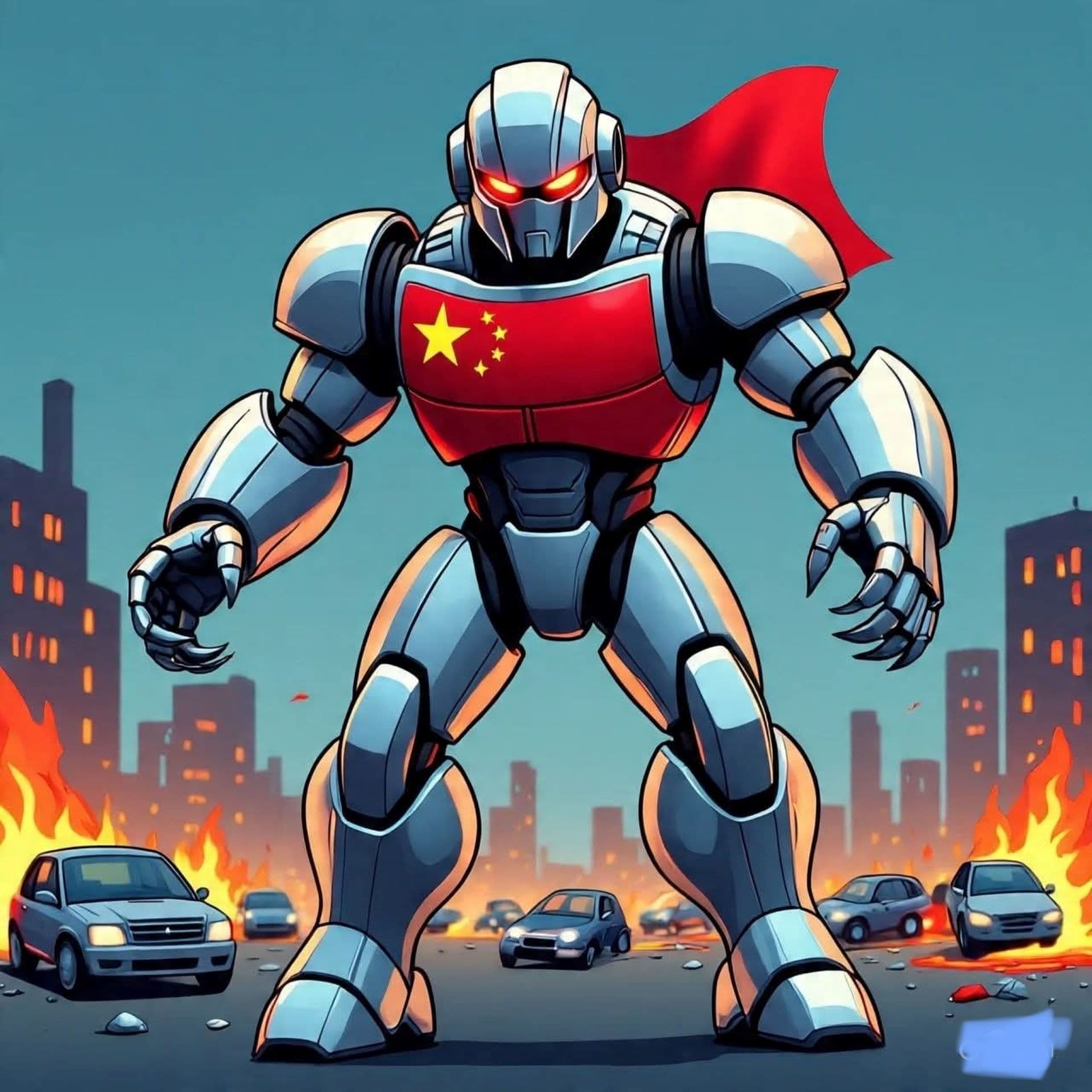
Major automakers issued a forceful appeal to Washington on Thursday, urging policymakers to block Chinese state-backed carmakers and battery producers from establishing manufacturing bases in the United States. They warned that opening the door to these companies could undermine the competitiveness and long-term viability of America’s domestic automotive industry.
The Alliance for Automotive Innovation — which represents major brands including General Motors, Ford, Toyota, Volkswagen, Hyundai and several others — pressed Congress and the Trump administration to act swiftly. In a submission to a U.S. House hearing examining Chinese vehicle imports, the group argued that “China poses a clear and present threat to the auto industry in the U.S.”
Their concerns centre on what they view as China’s strategic use of state subsidies, control of key battery materials, and aggressive pricing tactics. The Alliance also urged legislators to preserve existing Commerce Department rules that restrict the import of Chinese information and communications technologies, effectively blocking Chinese-manufactured vehicles from entering the U.S. market.
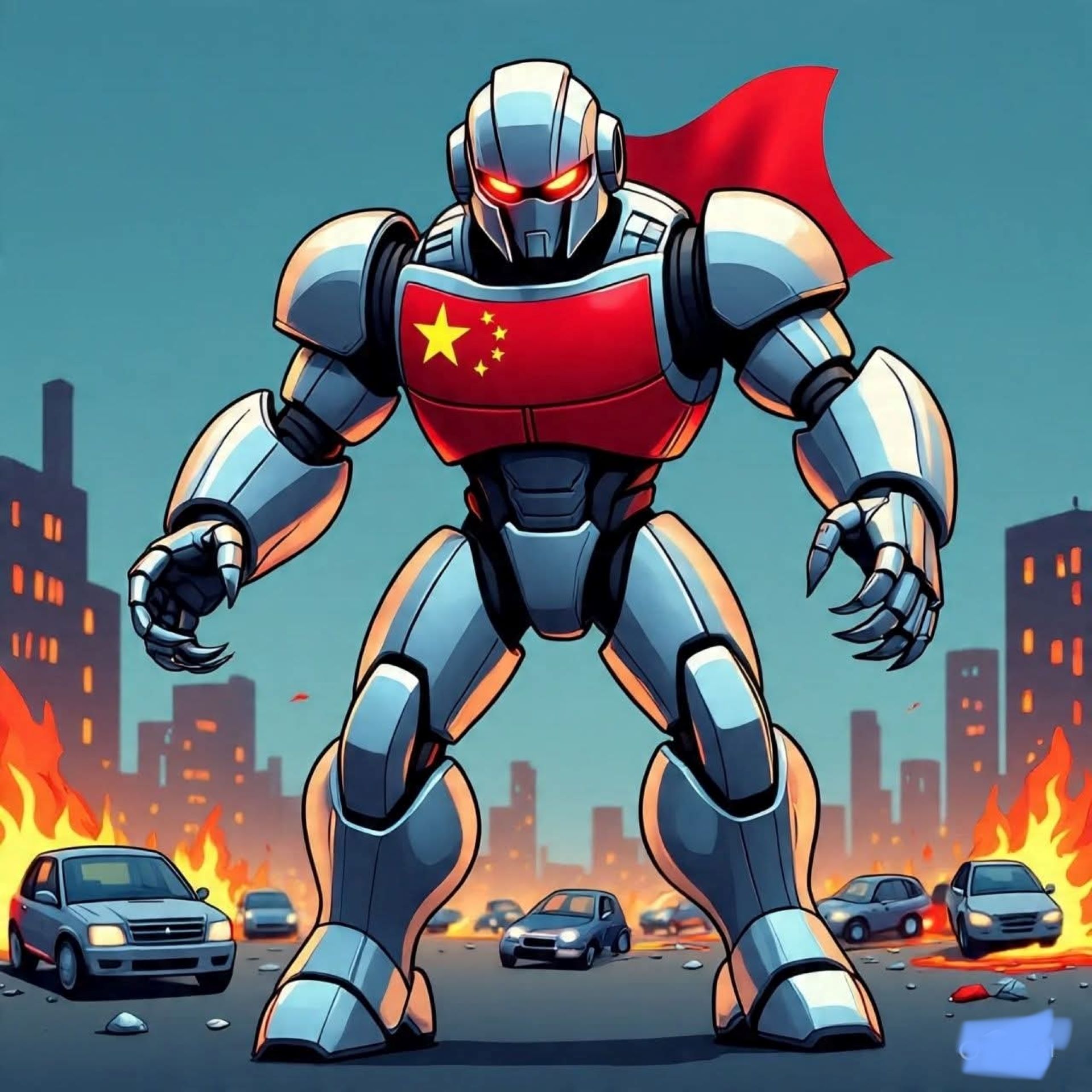
Should South Africa’s Automotive Industry Be Concerned About the Rise of Chinese Brands?
While this debate unfolds in the United States, it carries important relevance for South Africa, whose automotive landscape is experiencing its own wave of Chinese expansion. The question that naturally follows is: Should established South African automotive brands — and the multinational manufacturers operating locally — be worried?
Rapid Market Penetration
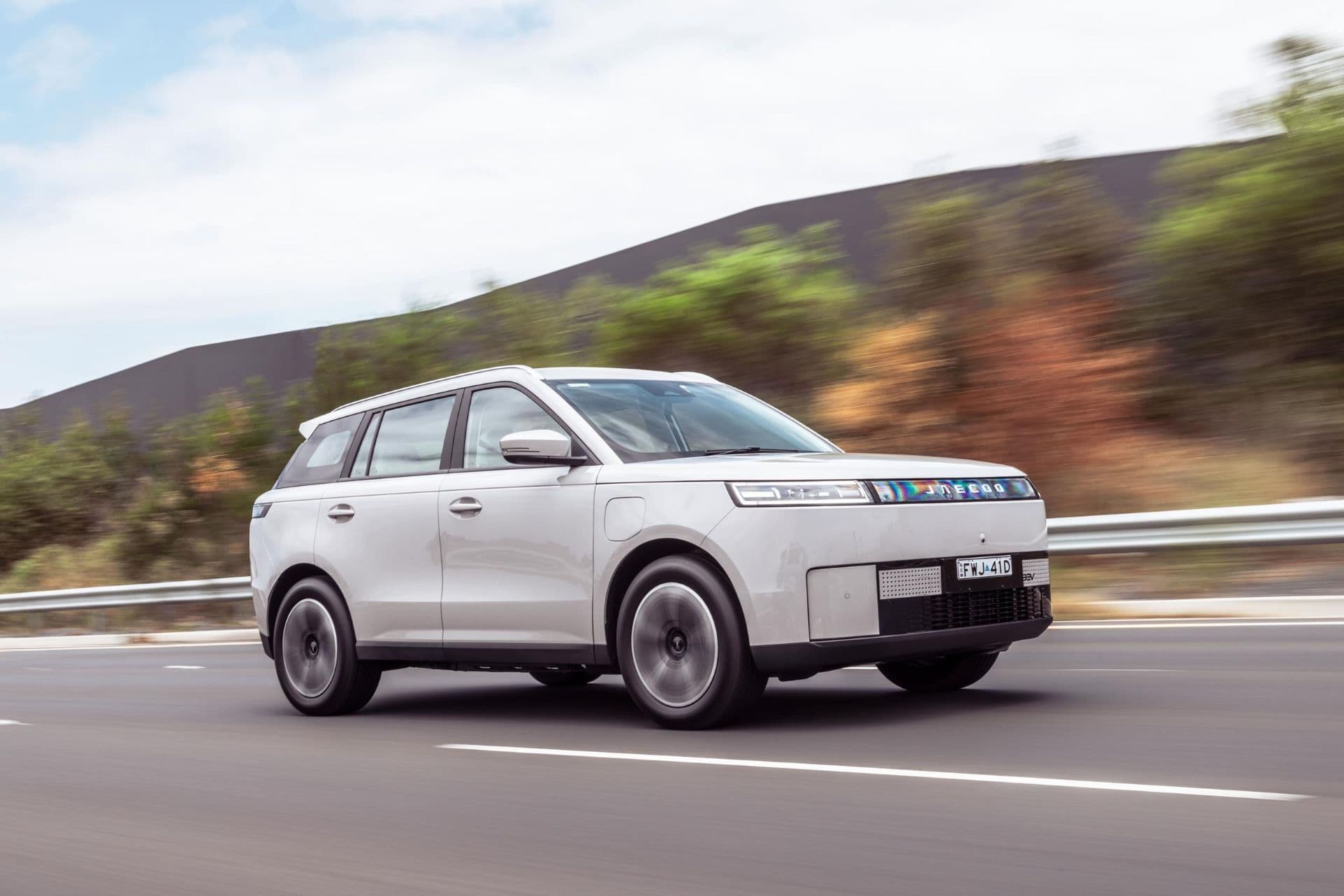
Chinese automakers such as Haval, Chery, JAC, BAIC and GWM have quickly gained traction in South Africa. Their formula is consistent: competitively priced vehicles, generous features, extended warranties and increasingly strong after-sales support. This approach appeals directly to cost-conscious consumers, especially in a market where affordability remains a key purchasing factor.
Improving Quality and Brand Perception
Unlike a decade ago, Chinese vehicles today no longer suffer from the stigma of inferior build quality. Modern models are more sophisticated, safer, and visually competitive — narrowing the traditional quality gap with established brands. As reliability improves, the barriers that once protected legacy brands grow smaller.
Aggressive Expansion Strategies
Many Chinese brands have adopted assertive dealership rollouts, local assembly plans, and strong marketing investments. Chery’s rapid dealership expansion and Haval’s growing footprint illustrate a long-term commitment to the South African market, rather than opportunistic entry.
Pressure on Pricing and Margins
Traditional players — Toyota, VW, Ford, Isuzu, Mercedes-Benz, BMW and others — now face a pricing challenge. Chinese brands frequently offer SUVs, bakkies, and compact cars at price points significantly lower than their established competitors. This puts downward pressure on margins and forces established manufacturers to revisit their value propositions.
The Coming EV Wave
South Africa is still in the early stages of electric vehicle adoption, but Chinese brands dominate global EV production and battery supply chains. When EV uptake accelerates locally, Chinese automakers may hold a strategic advantage — especially if legacy brands remain slow to introduce affordable EV options to the South African market.
So, Should South African Automakers Be Worried?
Concerned — yes. Threatened — potentially. Overwhelmed — not necessarily.
Chinese brands undeniably shift the competitive landscape. Their combination of affordability, rapid innovation, and long-term strategic investment poses direct pressure on established automotive players. However, South Africa’s long-standing brands maintain strong advantages: local manufacturing capacity, well-developed dealer networks, brand loyalty, and extensive service infrastructure.
The real question is whether these established brands can evolve quickly enough — in pricing, technology, localisation and customer experience — to compete with an aggressively expanding Chinese presence.
Staff Writer
Reporting from the front lines of the automotive industry, delivering expert analysis and the technical updates that drive the South African motor sector forward.