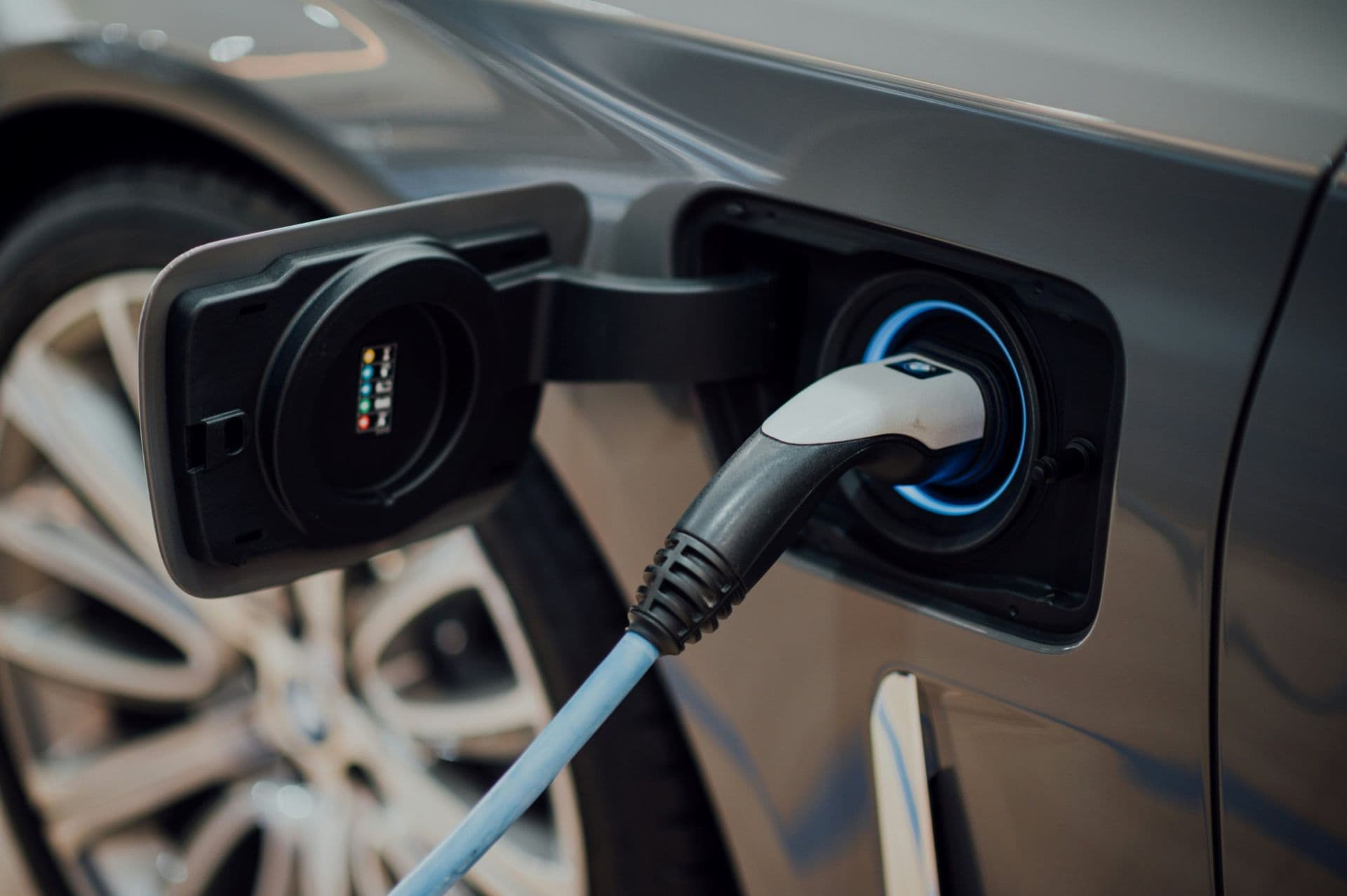
Electric vehicles are usually seen as machines that draw power from the grid, but bidirectional charging turns that idea around. Instead of electricity flowing in one direction, from a charger into a vehicle battery, bidirectional EV charging allows power to move both ways. In simple terms, an electric car can charge when electricity is cheap or plentiful, then send some of that energy back to a home, a business or even the electricity grid when it is needed.
The technology is part of a wider shift in how cars may fit into everyday energy use. Most vehicles spend much of their time parked, which means their large batteries are often sitting idle. With the right equipment, those batteries can become useful energy stores. For households, that could mean keeping essential appliances running during a power cut. For businesses, it could help reduce peak-time electricity costs. For power networks, it could provide extra flexibility as more renewable energy is added to the grid.
There are several versions of the technology. Vehicle-to-load, often called V2L, is the simplest form and allows an EV to power devices such as tools, laptops, lights or camping equipment. Vehicle-to-home, or V2H, lets the car supply electricity to a house, usually through a dedicated charger and home energy system. Vehicle-to-grid, or V2G, is the most ambitious version, allowing EVs to send electricity back to the wider network when demand is high.
Several carmakers are keen on the idea. Nissan has been one of the early champions, particularly through the Leaf, which has long been used in vehicle-to-grid trials. Hyundai and Kia have also pushed practical power export features in models built on their electric platforms, making V2L a visible selling point for many buyers. Ford has promoted the F-150 Lightning as more than just a pick-up, highlighting its ability to provide backup power to a home when paired with the correct equipment. Volkswagen is another major player, with plans to connect compatible electric models to home and grid energy systems through its charging and energy services.
BMW is preparing bidirectional capability for its next generation of EVs, while General Motors is building a broader energy ecosystem around selected electric models. Volvo, Renault and BYD are also exploring or supporting bidirectional charging in different markets.
The benefits are appealing, but there are still challenges. Drivers need compatible vehicles, approved chargers, suitable home wiring and electricity tariffs that reward smart energy use. Utilities also need clear rules to ensure power can be exported safely. Some buyers may worry about battery wear, although manufacturers are developing software to manage charging carefully and protect the driver’s required range.
Even so, bidirectional charging is moving from trial projects into the mainstream conversation. As EVs become more common, their batteries may do far more than move people from place to place. The next generation of electric cars could also help power homes, support the grid and make renewable energy easier to use.
Staff Writer
Reporting from the front lines of the automotive industry, delivering expert analysis and the technical updates that drive the South African motor sector forward.