Every January, the Dakar Rally demands absolute commitment from competitors as they cross thousands of kilometres of unforgiving terrain. For the 2026 edition in Saudi Arabia, South Africa’s presence once again extends far beyond the national flag on an entry list. It is visible in the vehicles, the engineering and the depth of expertise that continues to shape the modern Dakar.
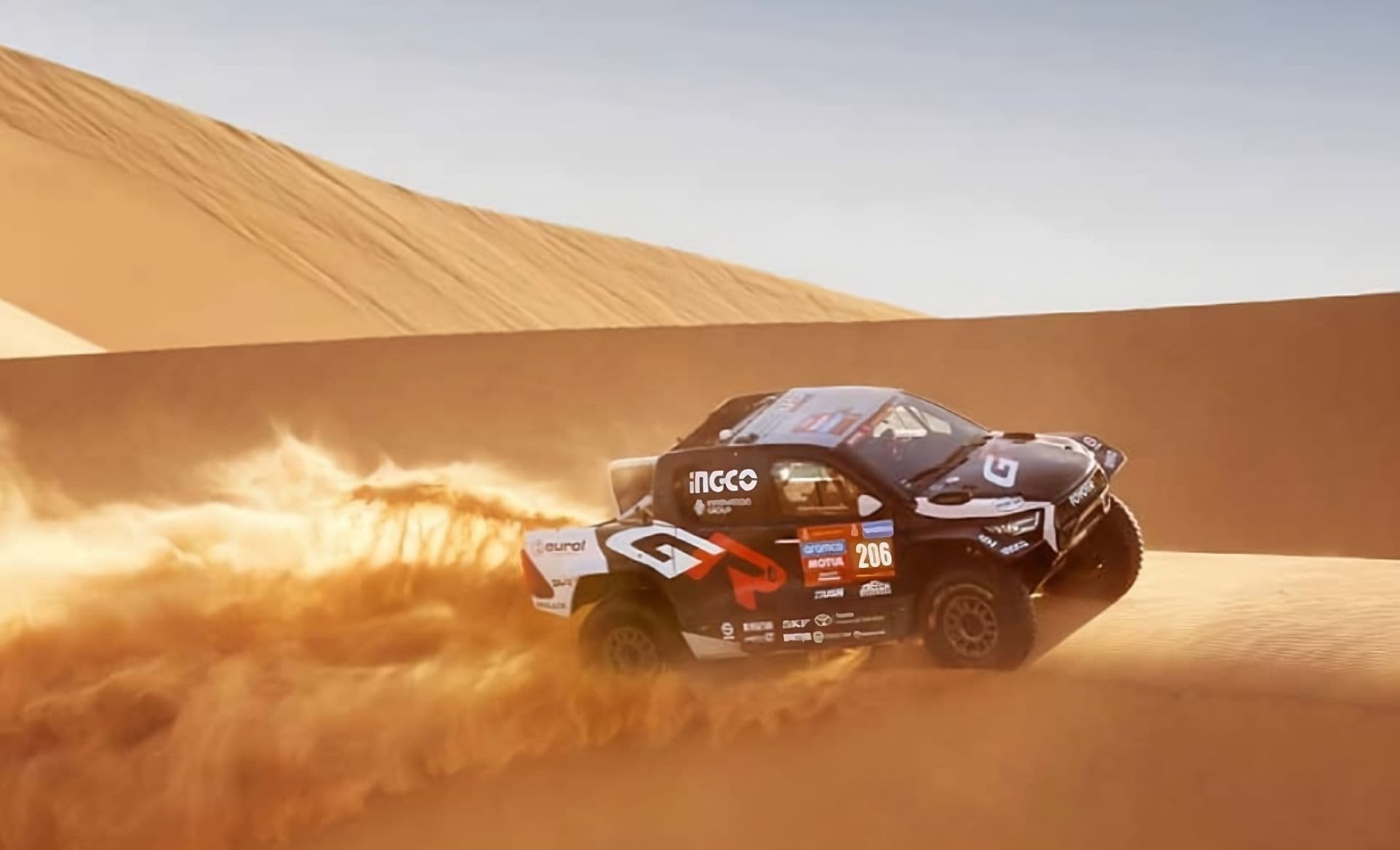
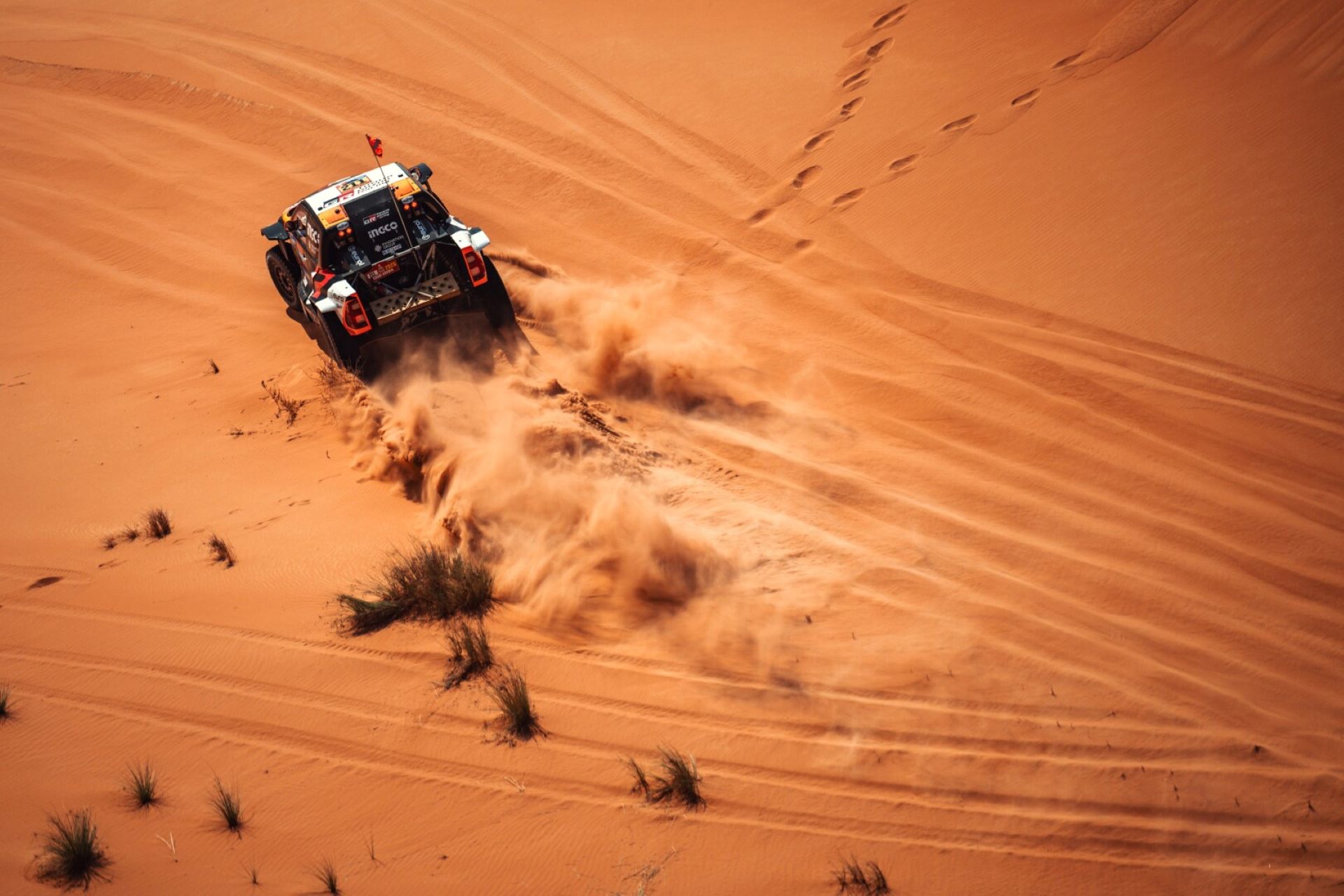
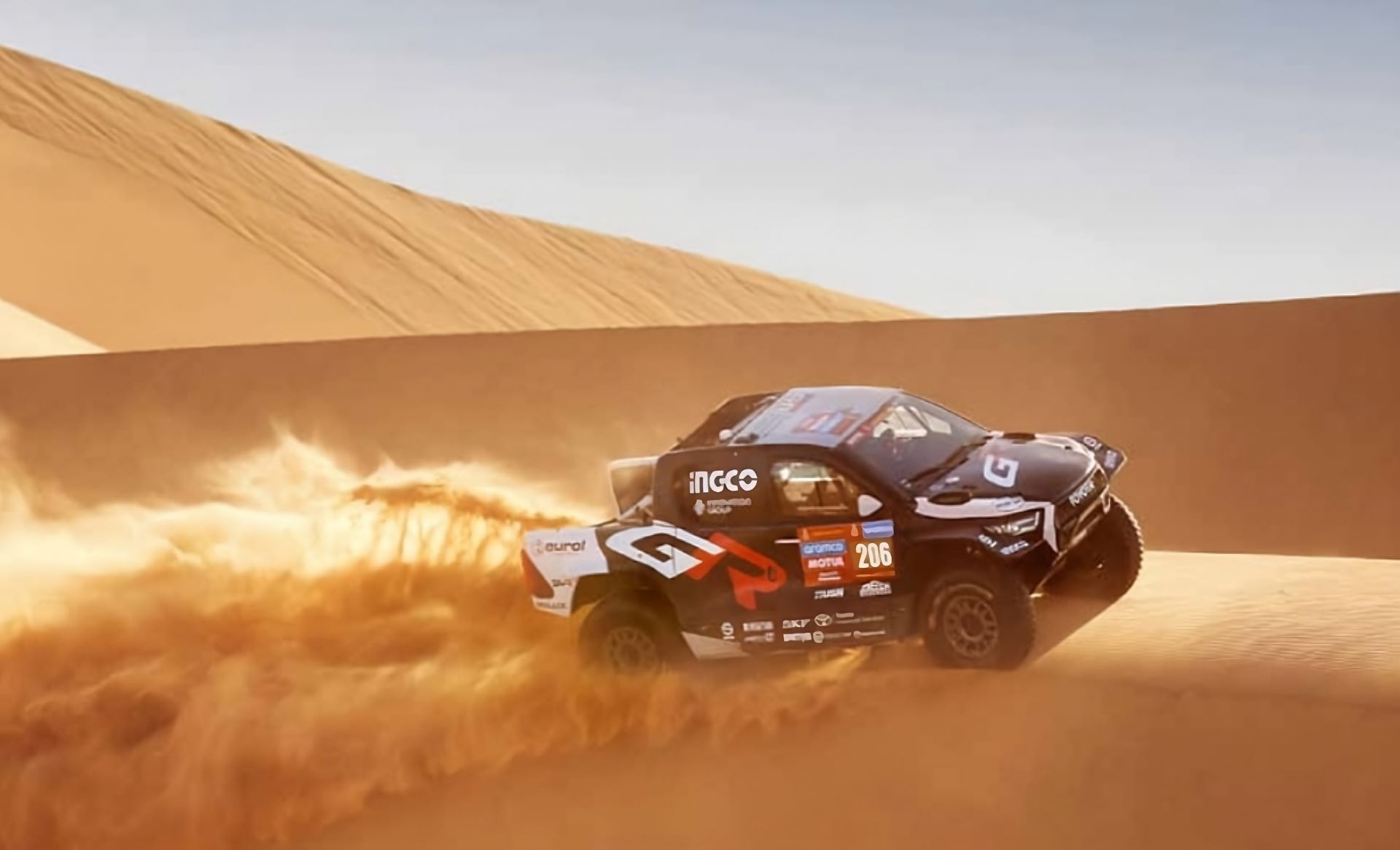
South African prepared machinery has become central to the Ultimate category, with more than half of the leading cars carrying local design or development DNA. This is reflected most clearly in the Toyota Gazoo Racing South Africa line up, which will field four GR Hilux IMT Evo entries. The Hilux platform, refined over years of testing and competition, remains one of the benchmark vehicles in rally raid racing.
The four crews entered under the TGRSA banner combine international driving talent with South African experience. Juan Cruz Yacopini (Argentina) teams up with Daniel Oliveras (Spain), while Saood Variawa (South Africa) partners Francois Cazalet (France). Guy Botterill (South Africa) is joined by Oriol Mena (Spain), and João Ferreira (Portugal) competes alongside Filipe Palmeiro (Portugal). Each crew will rely on South African developed technology to challenge what is expected to be one of the toughest Dakar fields in recent memory.
Beyond Toyota, South African engineering continues to influence the top class through Century Racing. The Century CR7, driven by Brian Baragwanath (South Africa) with Leonard Cremer (South Africa), remains a proven contender that underlines the competitiveness of locally born rally raid platforms.
PS Laser Racing further strengthens this footprint by campaigning Volkswagen Amarok entries, vehicles assembled in South Africa and sharing architecture with the Ford Ranger. The Amarok crews of Daniel Schröder (Germany) with Henry Köhne (South Africa), and Jürgen Schröder (Germany) with Stuart Gregory (South Africa), reinforce how South African manufacturing remains relevant at the highest level of off-road motorsport.
South Africa’s influence also stretches into lighter categories. In the Side by Side and Challenger classes, competitors such as Puck Klaassen (Netherlands) with Augusto Sanz (Argentina), Lawrence Janesky (United States of America) with Dennis Murphy (South Africa), and Abdullah Al Fahad (Saudi Arabia) with Leander Pienaar (South Africa) demonstrate how local expertise feeds into diverse Dakar categories.
Two wheels remain equally important. Bradley Cox (South Africa), Michael Docherty (South Africa) and Ronald Venter (South Africa) represent the country on motorcycles, competing across RallyGP Elite and Rally2 classes.
From Hilux based Ultimate contenders to Amaroks, Century Racing cars and competitive motorcycle riders, South Africa continues to play a defining role at Dakar. The 2026 rally once again confirms the country’s position as a global hub for rally raid engineering and endurance motorsport.
Staff Writer
Reporting from the front lines of the automotive industry, delivering expert analysis and the technical updates that drive the South African motor sector forward.