The luxury automotive sector in South Africa has undergone dramatic transformation over the past decade. Premium marques have been reshaping their retail strategies amidst challenging economic conditions and evolving consumer behaviour.
Luxury market collapse triggers dealer network overhaul:
South Africa's premium car market has endured a discernible downturn, with luxury brands collectively witnessing sales plummet by 68% between 2014 and 2024. Industry figures reveal that prestigious marques including Audi, BMW, Mini, and Mercedes-Benz sold approximately 74 015 vehicles in 2014, yet this figure crashed to merely 23 881 units by 2024's close. This contraction has compelled manufacturers to substantially restructure their dealership networks.
BMW:
BMW has spearheaded the consolidation movement, systematically reducing its physical footprint across South Africa. The Bavarian manufacturer's dealer network contracted from 55 outlets in 2015 to 46 by late 2024'a 16% reduction reflecting the brand's pragmatic response to market realities. This rationalisation aligns with BMW's sales trajectory, which declined from 24 521 units in 2014 to 12 145 in 2024, marking a substantial 51% drop.
Lexus:
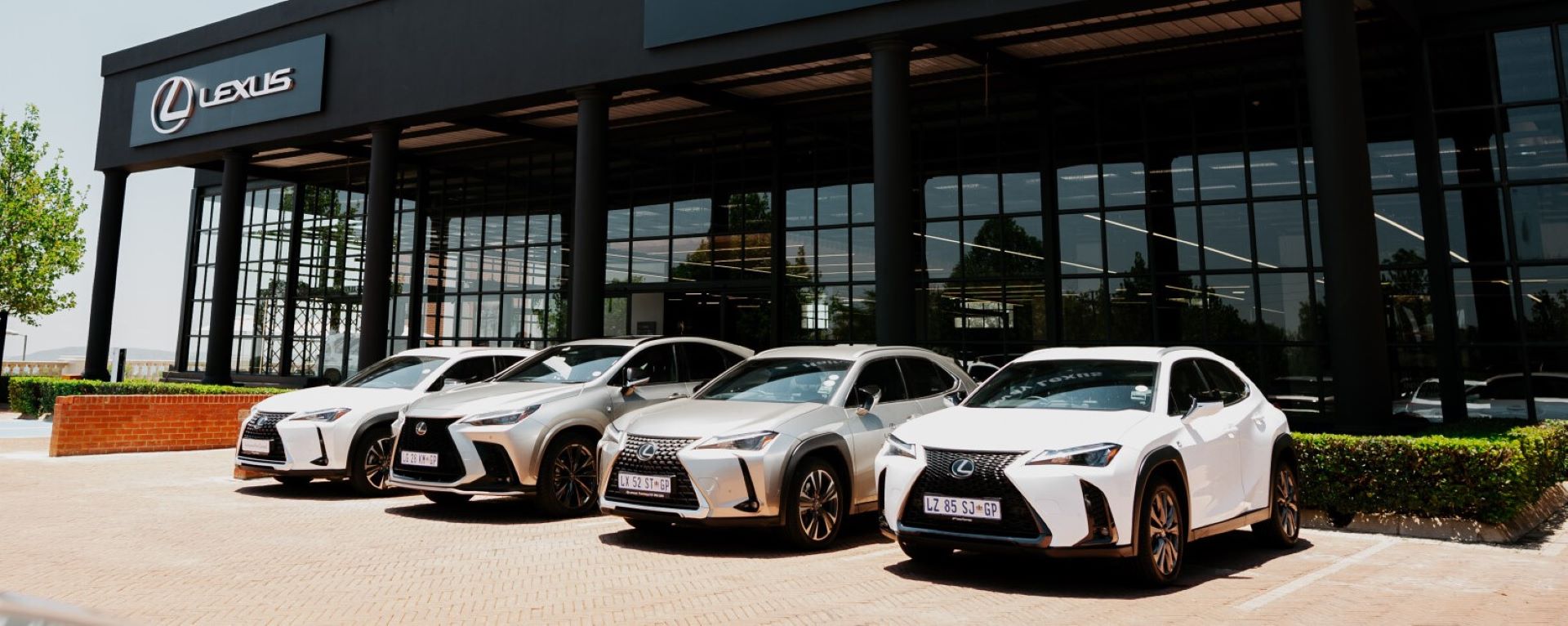
Lexus operates through a deliberately streamlined network compared to its German rivals. The Japanese luxury brand maintains 14 dealerships nationwide (down from 18 two years ago), including four flagship centres in Pretoria, Fourways, Umhlanga, and Cape Town. As part of the Toyota empire, Lexus benefits from additional service support through selected Toyota dealerships equipped to handle its vehicles, providing broader geographical coverage despite the smaller dedicated network.
Volvo:
Volvo Cars has pursued the most aggressive consolidation strategy, closing 12 showrooms, a dramatic 60% network reduction. This extensive restructuring reflects the Swedish manufacturer's determination to maintain operational viability within the severely contracted luxury market. However, Volvo remains committed to future growth, particularly in electric vehicles, recently opening a new dealership in the Eastern Cape.
Market forces driving change:
Multiple factors have catalysed this industry-wide consolidation. South Africa's economic challenges have substantially eroded luxury vehicle purchasing power, prompting consumers to seek more affordable alternatives. This shift towards value-oriented purchasing has fundamentally altered buyer behaviour, with customers increasingly abandoning premium brands for practical, cost-effective options.
High inventory costs combined with diminished sales volumes have rendered extensive dealership networks financially unsustainable. Simultaneously, digital transformation within automotive retail has reduced dependence on traditional physical showrooms, enabling manufacturers to serve customers through alternative channels.
Future implications:
This consolidation represents a permanent shift in South Africa's premium automotive landscape. Surviving dealerships will serve expanded geographical territories, potentially affecting customer accessibility whilst improving operational efficiency and resource allocation.
The restructuring demonstrates the resilience required within the luxury automotive sector, where brands must balance premium positioning with commercial viability under challenging economic conditions. For consumers, whilst dealership choice may be reduced, remaining outlets are likely to provide more focused and efficient service.
This transformation underscores the industry's adaptation to new market realities, where sustainability and efficiency take precedence over extensive physical presence.
Staff Writer
Reporting from the front lines of the automotive industry, delivering expert analysis and the technical updates that drive the South African motor sector forward.