According to a Reuters report, old-fashioned barter trade is making a comeback in Russia’s foreign commerce for the first time since the 1990s, as companies attempt to circumvent Western sanctions by swapping commodities such as wheat for Chinese cars and flax seeds for construction materials.
This return to direct exchange of goods represents a dramatic shift for the world’s largest natural resources producer, highlighting how the war in Ukraine has fundamentally altered trading relationships three decades after Russia’s economic integration with the West following the Soviet Union’s collapse in 1991.
The United States, Europe, and their allies have imposed over 25,000 sanctions on Russia following its 2022 invasion of Ukraine and 2014 annexation of Crimea, targeting the country’s $2.2 trillion economy in an effort to undermine President Vladimir Putin’s support base. Washington has also imposed tariffs on India over its continued oil trade with Russia.
Whilst Putin claims Russia’s economy has exceeded expectations—growing faster than G7 nations over the past two years despite Western predictions of collapse—there are mounting signs of economic strain. The central bank now indicates the economy is technically in recession and grappling with high inflation.
Particularly problematic have been Russia’s disconnection from the SWIFT payments system in 2022 and Washington’s warnings to Chinese banks against supporting Russia’s war effort, which have raised fears of secondary sanctions. "Chinese banks are afraid of being placed on sanctions lists, under secondary sanctions, so they do not accept money from Russia," a payment market source told Reuters.
These concerns have driven the emergence of barter transactions, which are considerably harder to trace than conventional financial transfers. In 2024, Russia’s economy ministry published a 14-page "Guide to Foreign Barter Transactions," advising businesses on using this method to circumvent sanctions. The ministry even proposed creating a trading platform functioning as a barter exchange.
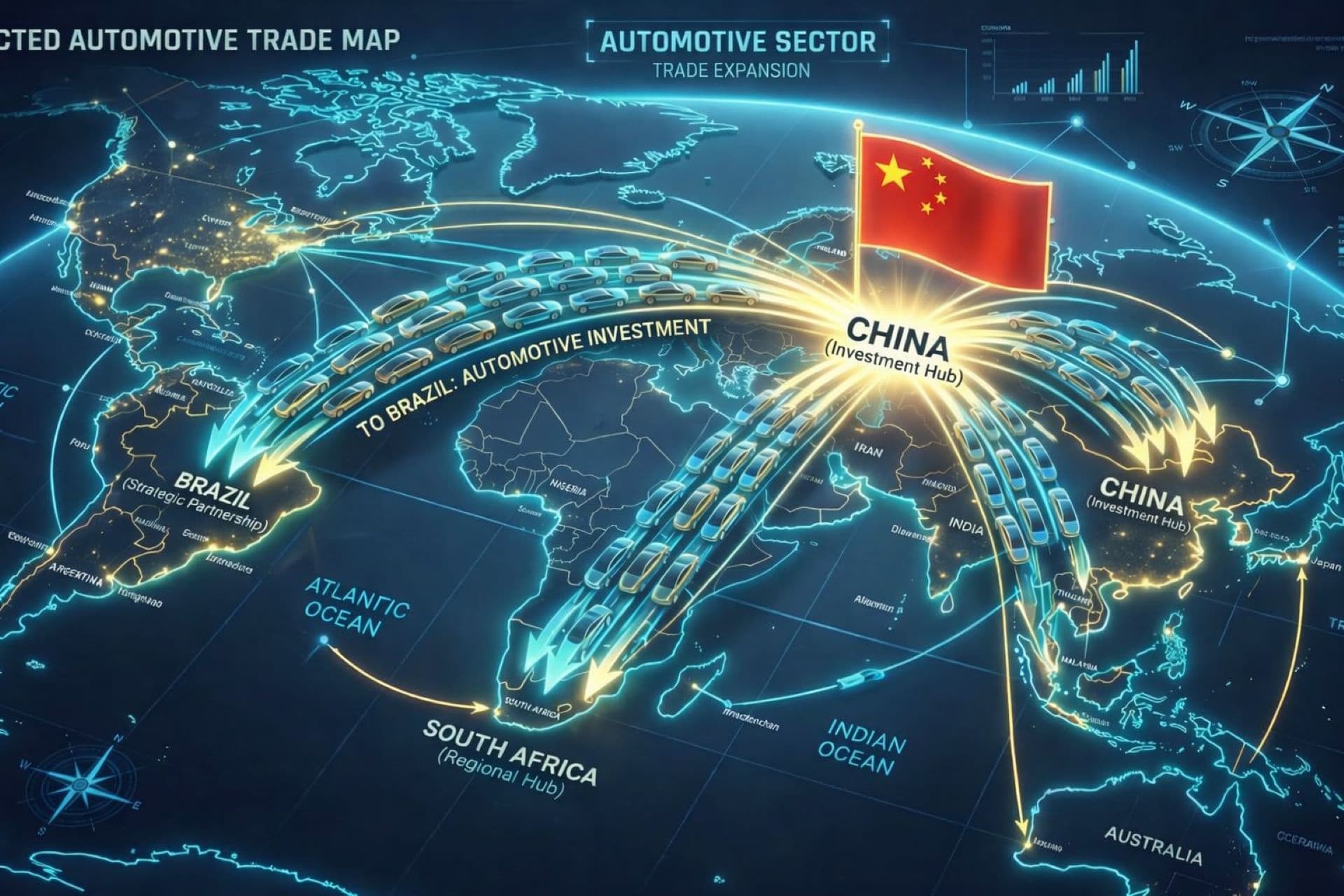
Reuters identified eight specific goods-in-kind transactions based on trade sources, customs statements, and company announcements. In one notable example, Chinese automobiles were exchanged for Russian wheat, with Chinese partners requesting payment in grain rather than currency. The Chinese buyers purchased cars with yuan whilst Russian partners bought grain with roubles, then exchanged the wheat for vehicles.
Other transactions included flax seeds traded for household appliances and building materials from China, with one flax deal estimated at approximately $100,000. Additional exchanges involved metals for machinery, Chinese services for raw materials, and deals extending to Pakistan.
"The growth of barter is a symptom of de-dollarisation, sanctions pressure, and liquidity problems amongst partners," explained Maxim Spassky from the Russian-Asian Union of Industrialists and Entrepreneurs, predicting further growth in barter volumes.
Analysts suggest the scale of barter trade may be reflected in a widening °7 billion divergence between central bank and customs service foreign trade statistics in the first half of 2024.
Russia’s customs service confirmed barter transactions occur with various countries across "a wide range of goods," though described volumes as insignificant compared to overall foreign trade. Nevertheless, the practice represents a significant retreat from modern financial systems, echoing the chaotic barter chains that dominated Russia’s economy following the Soviet collapse.
Staff Writer
Reporting from the front lines of the automotive industry, delivering expert analysis and the technical updates that drive the South African motor sector forward.
More news from International News