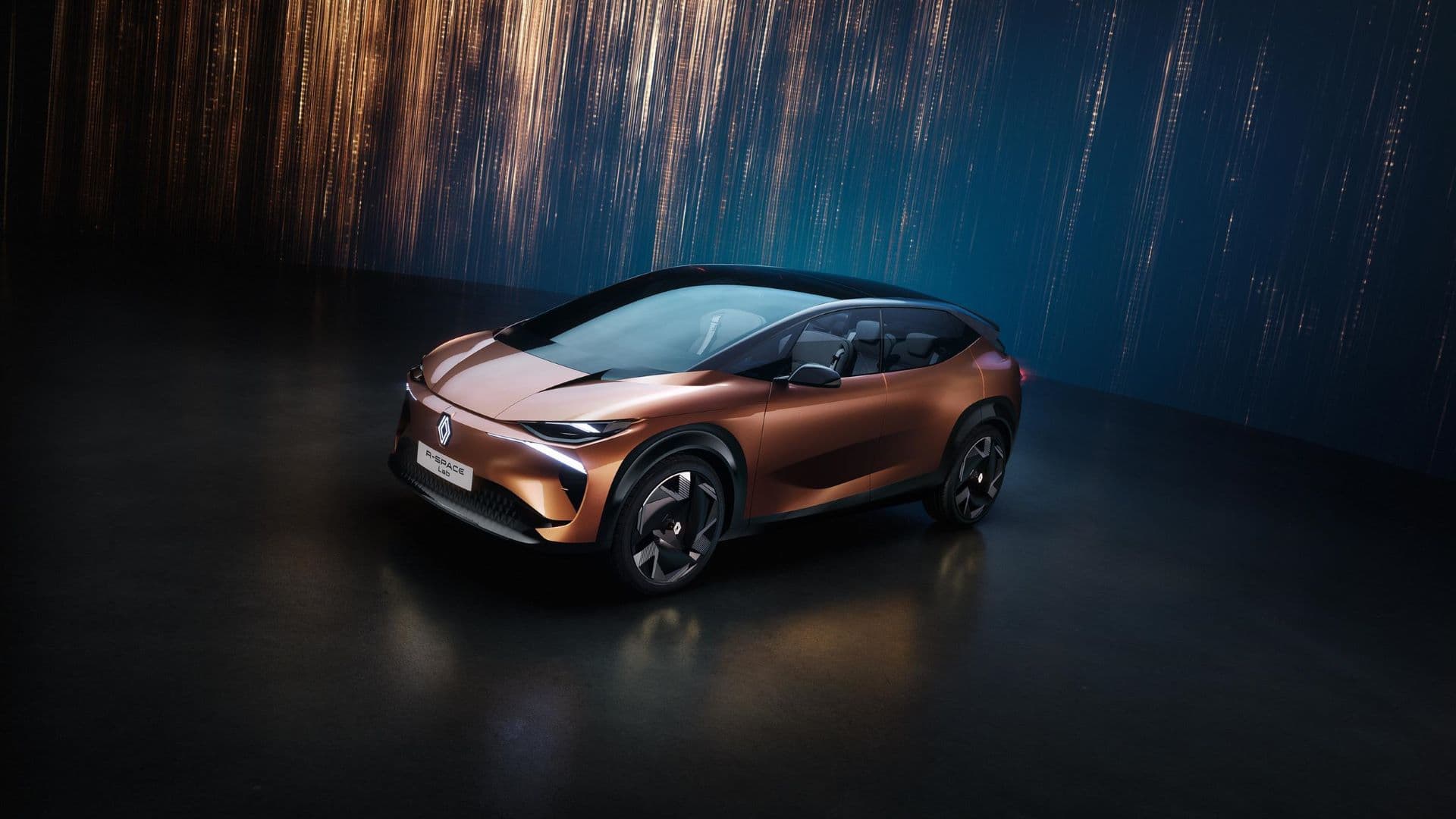
Renault’s R-Space Lab is less a conventional concept car and more a rolling manifesto for how the brand believes people will use cars in the next decade.
Developed by Futurama, Renault Group’s innovation laboratory, it explores the idea of voitures à vivre or cars designed not just for transport, but for everyday life in all its variety. While Renault is clear that R-Space Lab is not a direct preview of a production model, it offers a detailed glimpse of the thinking that could shape its vehicles from around 2030 onwards.
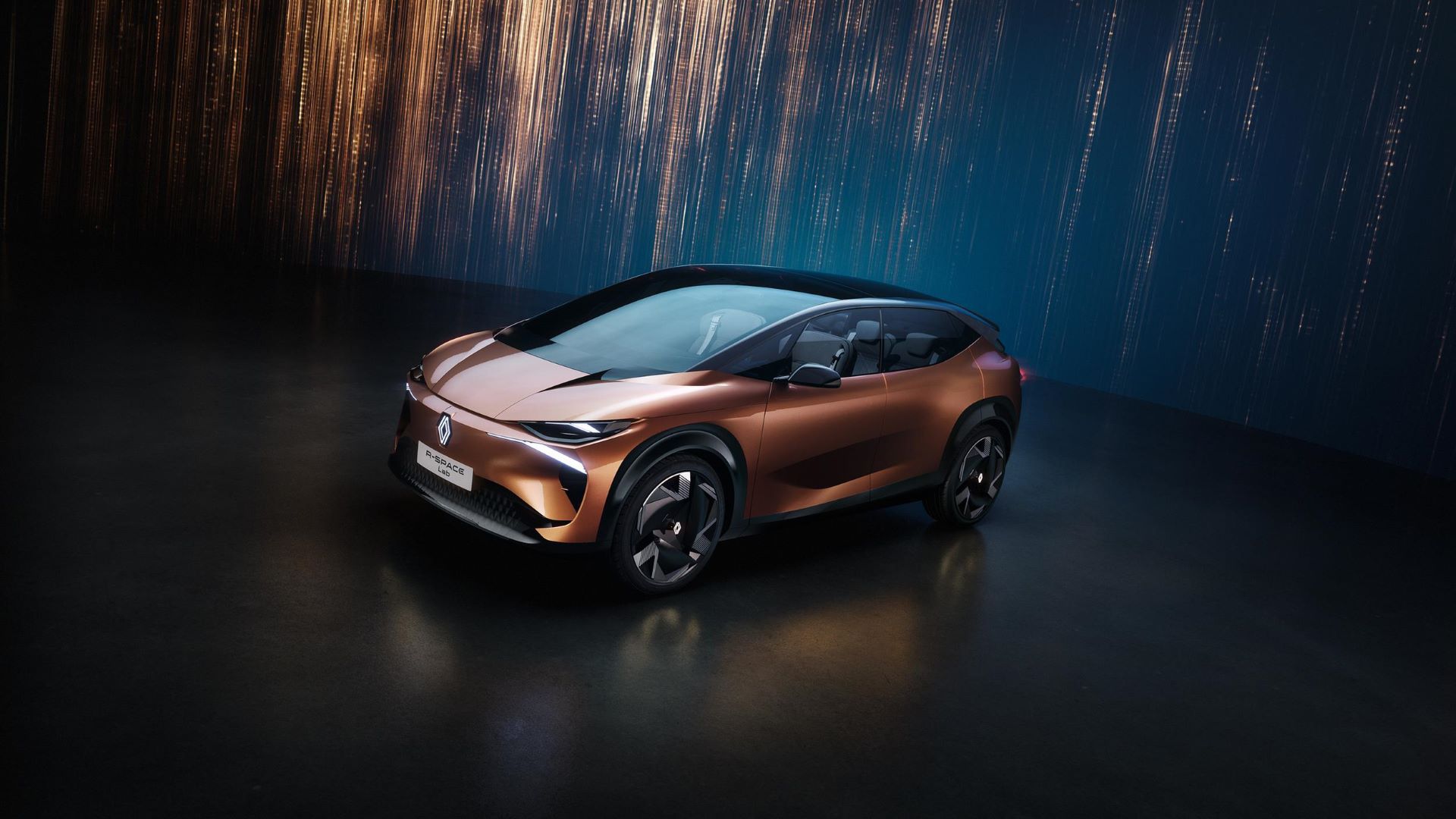
From the outside, the one-box silhouette immediately signals its priorities. Measuring around 4.5 metres long and 1.5 metres tall, the proportions are chosen to maximise interior volume rather than visual drama. Extensive glazing plays a major role in the design, with a windscreen that flows into a fully glazed roof, slim pillars and frameless doors. Together, these elements flood the cabin with light and create a strong sense of connection with the surroundings, making the interior feel far larger than the dimensions suggest.
Inside, the R-Space Lab focuses on flexibility and intuitive technology. A full-width curved openR panorama screen stretches across the dashboard, combining driving information, driver assistance systems and multimedia into a single, easily readable surface. Most functions are operated via a central touchscreen designed to feel as familiar as a smartphone. A compact steering wheel, enabled by steer-by-wire technology, improves forward visibility and frees up space in the front of the cabin.
The interior layout is designed to adapt to different moments of daily life. The front and curtain airbags are integrated into the seat structures rather than the dashboard, allowing for an ingenious multifunction glovebox that can store items or fold out as a leg rest. The front passenger seat can slide rearwards to interact more easily with passengers in the second row or attend to a child seat. At the back, three identical individual seats slide, recline, fold and flip up, creating space for anything from a bicycle to bulky luggage or even a pet. Rear doors opening to 90 degrees make access and loading straightforward.
Safety and human-centred technology sit at the heart of the concept. Renault is testing features such as a tactile alcohol detector aimed at educating and supporting younger drivers, alongside in-car artificial intelligence that could act as a Safety Coach, offering personalised advice or helping occupants interact with the vehicle more naturally. In this way, the R-Space Lab presents a future where the car is a supportive, adaptable living space rather than just a machine for getting from A to B.
Staff Writer
Reporting from the front lines of the automotive industry, delivering expert analysis and the technical updates that drive the South African motor sector forward.