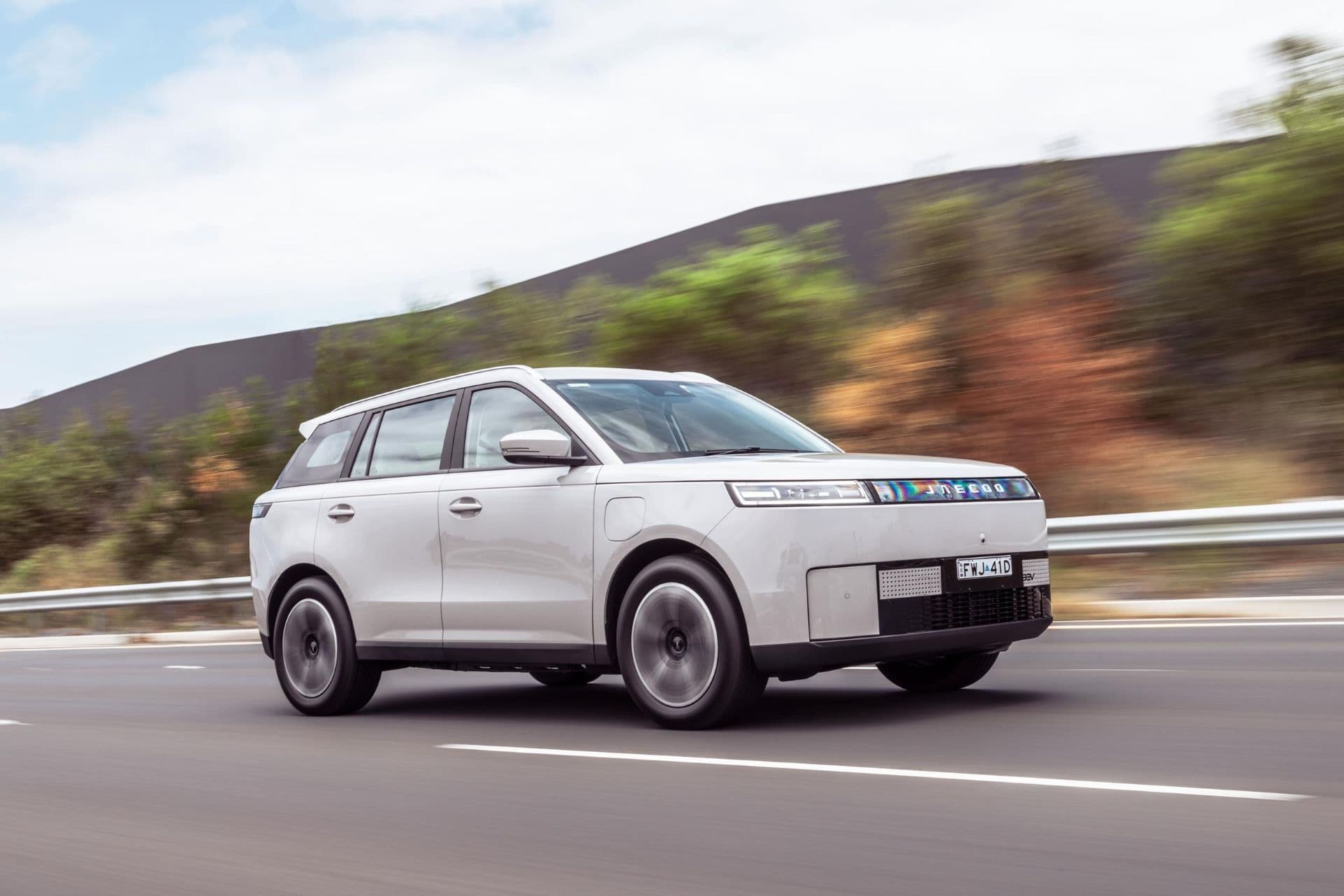
Poland has introduced sweeping restrictions on Chinese-made vehicles entering its military facilities, citing mounting concerns over potential data harvesting by advanced onboard sensors.
According to the Polish Army, modern vehicles equipped with cameras, microphones and location-tracking systems could enable the “uncontrolled acquisition and use of data,” posing a risk to national security.
Under the new rules, Chinese-manufactured vehicles may only be allowed into secure areas if specific data-gathering functions are demonstrably disabled and additional safeguards meet each facility’s security standards. The army has also prohibited the connection of official work phones to infotainment systems in China-made cars to reduce the risk of confidential information leaking through software interfaces.

Poland emphasises that the move is precautionary and aligns with practices already adopted by other NATO members amid a broader effort to mitigate vulnerabilities associated with increasingly sophisticated, connected vehicles. Analysts note that the restrictions reflect a growing European trend to prioritise counter-espionage measures amid geopolitical tensions and rapid technological integration in the automotive sector.
The ban does not extend to public-facing military institutions such as hospitals, libraries and garrison clubs, where exposure to sensitive operational information is limited. The Polish Army has also indicated it is exploring future security-clearance mechanisms that could eventually replace the blanket restrictions, allowing vetted manufacturers to regain access to controlled sites.
China has criticised similar measures in the past, arguing that national-security justifications are sometimes misused. Nonetheless, Poland's decision follows heightened awareness across Europe and the United States about foreign surveillance risks linked to connected vehicles and digital infrastructure.
Staff Writer
Reporting from the front lines of the automotive industry, delivering expert analysis and the technical updates that drive the South African motor sector forward.