The Canadian government is set to unveil a comprehensive overhaul of its national automotive policy, replacing its current electric-vehicle (EV) sales mandate with a more flexible emissions-based system.
The revised framework will centre on fuel-efficiency standards and a credit-trading mechanism designed to give manufacturers greater latitude in how they meet national climate objectives.
Prime Minister Mark Carney is expected to reveal the strategy alongside the reinstatement of incentives for buyers of electric and plug-in hybrid vehicles—support measures that were previously suspended after funding was exhausted due to strong consumer demand. Under the renewed scheme, motorists will again be eligible for rebates of up to R80,750 (US $5,000) for fully electric models and R40,375 (US $2,500) for plug-in hybrids.
The shift comes after sustained criticism from provincial leaders, automotive industry executives, and political opponents, who argued that the original sales targets—60% of all new vehicles to be electric by 2030 and complete transition by 2035—were unrealistic in the face of economic pressures, supply-chain instability and ongoing trade tensions with the United States (US). Carney halted the 2026 interim target during a policy review, citing mounting concern from manufacturers about the effect of US tariffs.
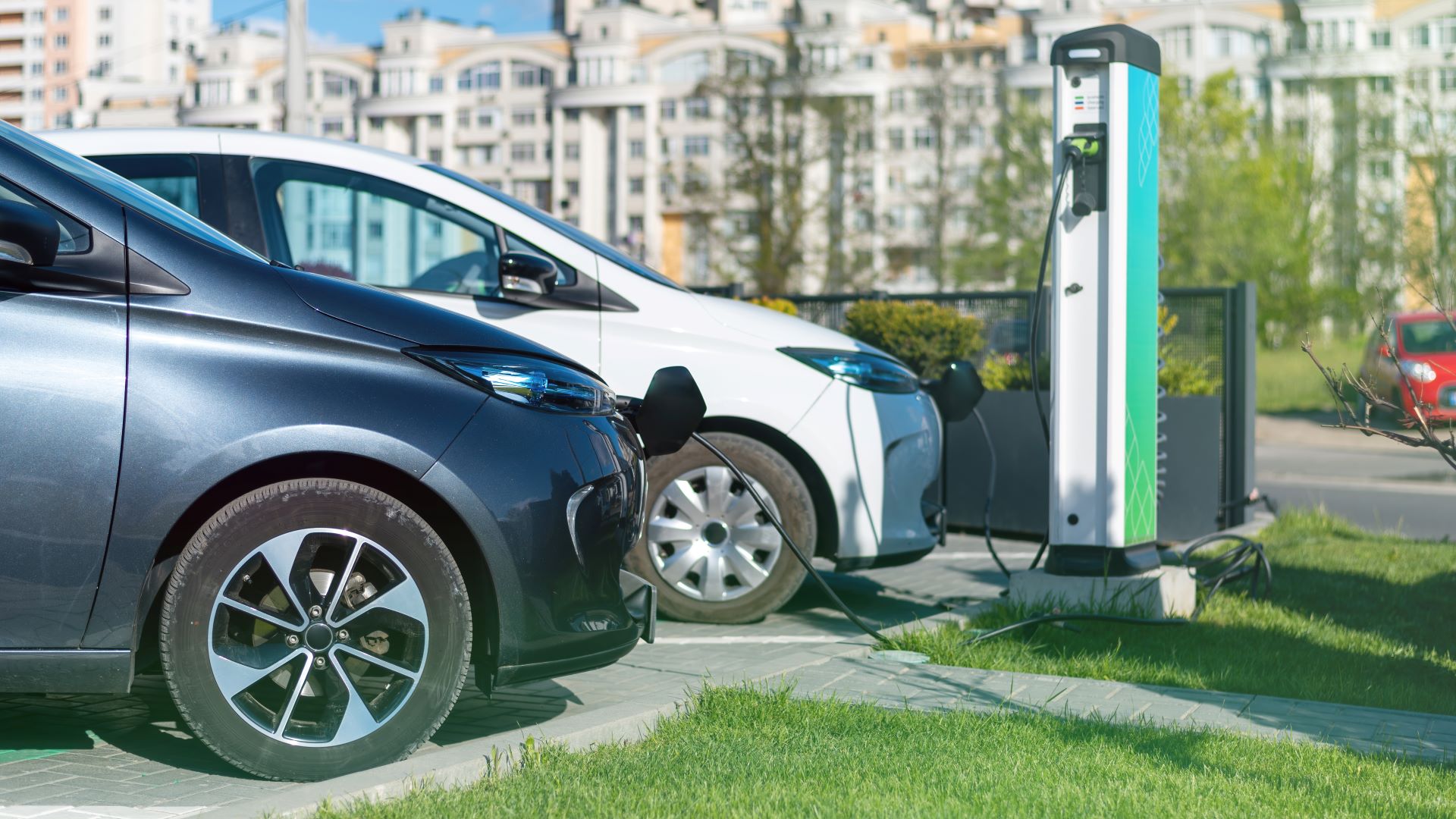
Under the new system, vehicle makers will be able to earn and exchange credits for producing low-emission and electric models, while also carrying forward credits accumulated under the former mandate. Officials suggest that although the updated approach provides greater flexibility, it should still achieve emissions reductions broadly in line with earlier expectations.
To bolster the transition, the government is preparing to introduce a R32.85 billion ($1.96 billion) national infrastructure fund aimed at accelerating the installation of charging stations across Canada. The initiative seeks to address persistent concerns over limited charging availability—an obstacle frequently cited by prospective EV buyers and industry stakeholders alike.
Canada’s revised direction brings it closer to European-style regulatory frameworks, particularly those based on Corporate Average Fuel Efficiency (CAFE) standards, which have played a key role in reducing emissions across the European Union (EU). While Europe is still targeting zero-emission sales by 2035, discussions are under way to allow limited flexibility for plug-in hybrids.
Environmental groups have warned that easing the mandate could dilute progress on decarbonisation, though supporters argue the updated approach maintains momentum while offering both industry and consumers a more practical transition pathway. Further details, including timelines and implementation measures, are expected during Thursday’s announcement.
Staff Writer
Reporting from the front lines of the automotive industry, delivering expert analysis and the technical updates that drive the South African motor sector forward.