A recent study by the Insurance Institute for Highway Safety (IIHS) has revealed that large driver-side blind zones dramatically increase the risk of pedestrian collisions during left turns. Vehicles with the biggest blind spots were found to be 70% more likely to strike pedestrians compared to those with smaller blind zones.
The problem stems from design features intended to improve crash safety, such as thick A-pillars for roof strength and extended bonnets for crumple zones. While these elements protect occupants, they also obstruct the driver’s view. Bulky mirrors and the angle of the windscreen further restrict visibility, creating areas where pedestrians can vanish from sight.
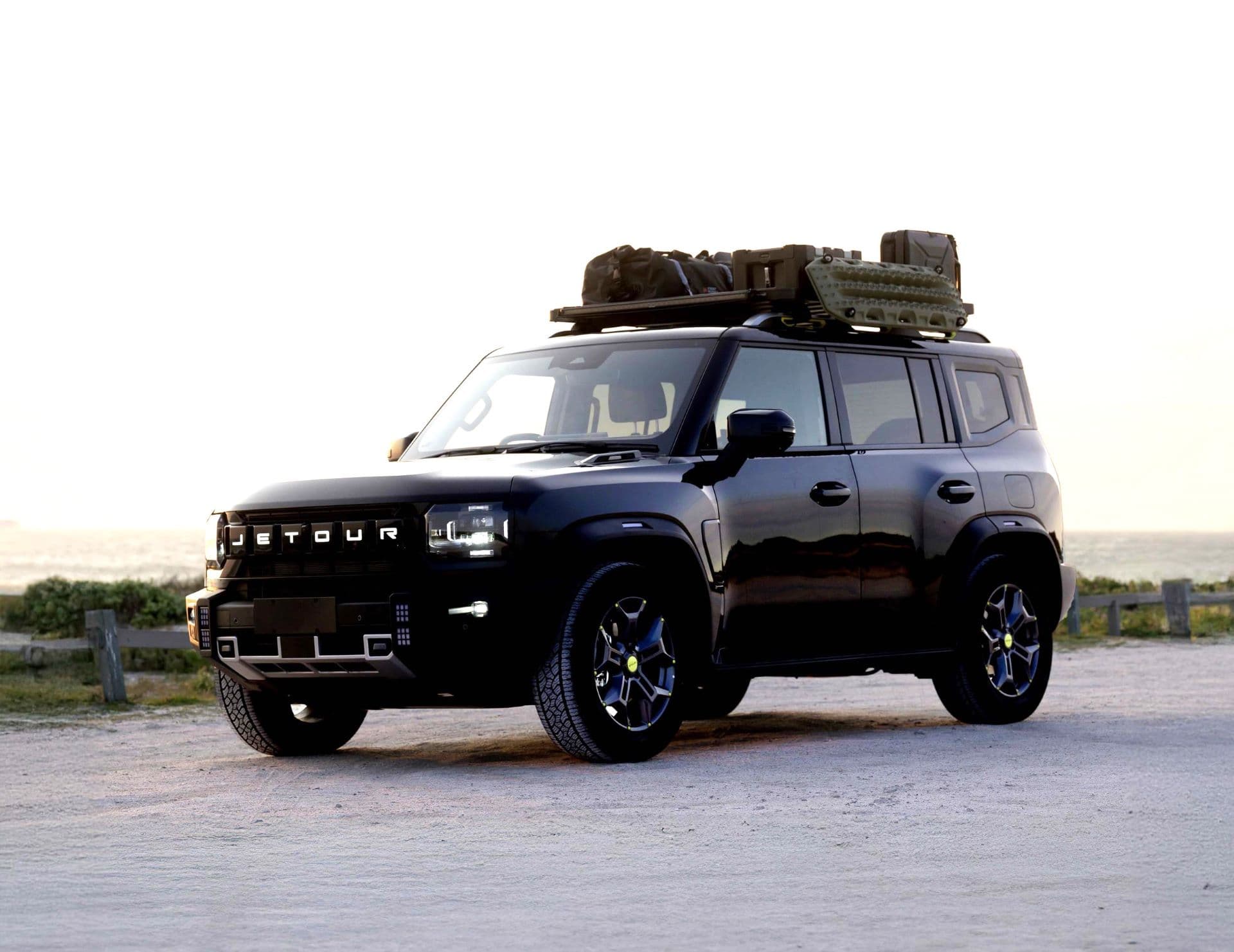
Pedestrian fatalities have risen sharply—up 78% since 2009—now exceeding 7,300 deaths annually. Experts attribute this surge to faster traffic, car-focused infrastructure, and the growing popularity of SUVs and pickups. These vehicles, with their taller and blunter fronts, not only cause more severe injuries but also present greater visibility challenges.
IIHS researchers assessed 168 vehicles using a camera-based method, simulating two driver heights: 1.75 metres and 1.50 metres. For taller drivers, cars had the largest blind zones, while pickups had the smallest. However, SUVs and pickups offered narrower fields of view and pushed the nearest visible point on the ground further away—7.9 metres for taller drivers and 9.1 metres for shorter ones.
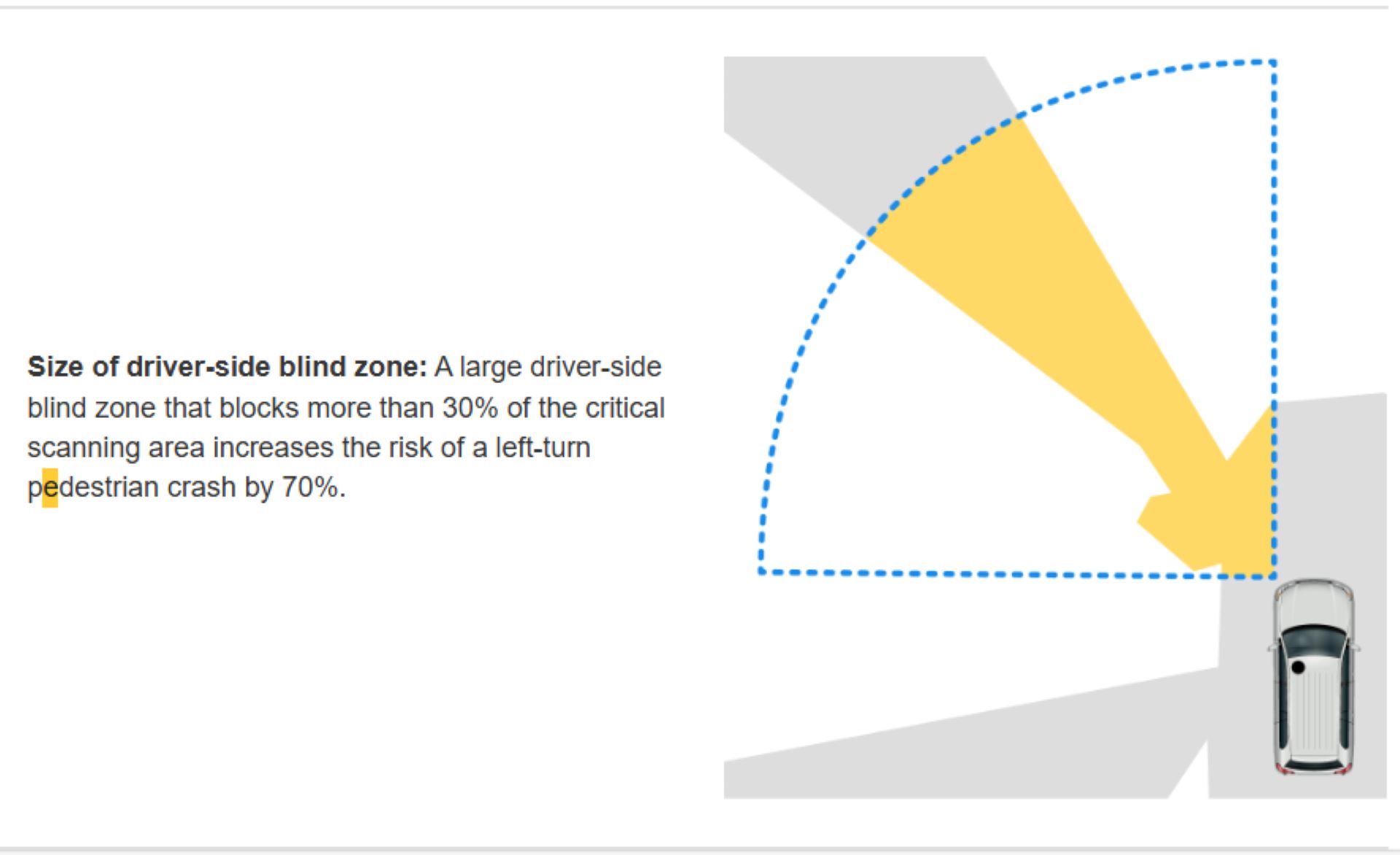
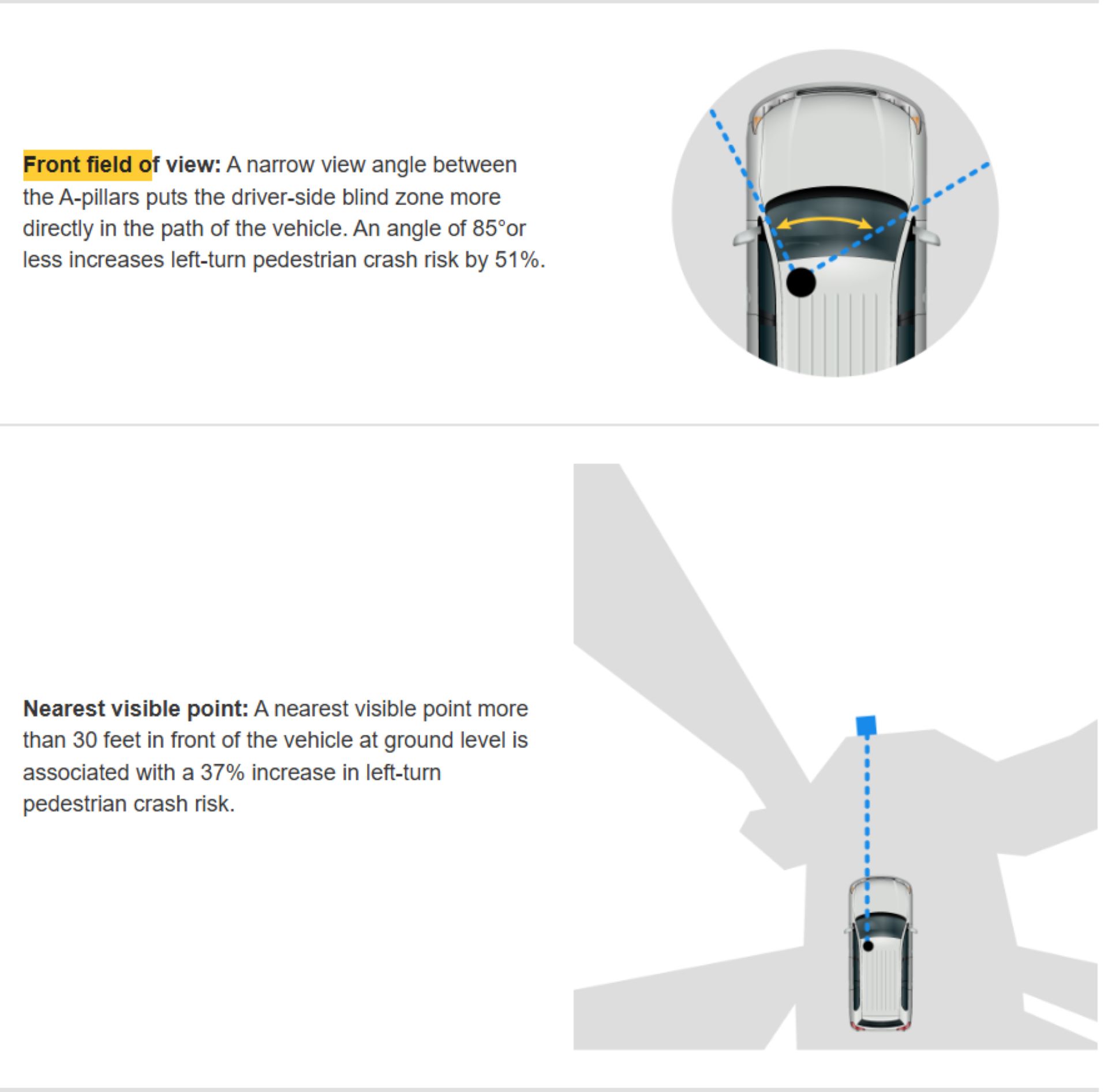
Across all vehicles, blind zones blocked 27% of the left-front area for taller drivers and 33% for shorter ones. Windscreens averaged an 88-degree field of view. Zones covering more than 30% of the view were classified as large, 20–30% as medium, and under 20% as small.
Crash data from 4,500 incidents showed that large blind zones increased left-turn collision risk by 70%, while medium zones raised it by 59%. Passenger-side blind zones had no significant effect on right-turn crashes. A front field of view narrower than 85 degrees raised risk by 51%, and a nearest visible point beyond 9 metres increased risk by 37%.
“Even a partial obstruction can make a pedestrian disappear,” said Wen Hu, IIHS senior research engineer. Solutions include side-view cameras, enhanced pedestrian emergency braking, and hood airbags. Infrastructure changes—such as giving pedestrians a head start at crossings and extending kerbs—could also reduce risk.
“The ability to see clearly is a basic safety requirement that deserves more attention,” added IIHS President David Harkey.
admin
Reporting from the front lines of the automotive industry, delivering expert analysis and the technical updates that drive the South African motor sector forward.