Pondering whether it’s time to persuade an elderly relative to stop driving? General Motors has developed groundbreaking technology that could transform this delicate family conversation from emotional guesswork into objective assessment.
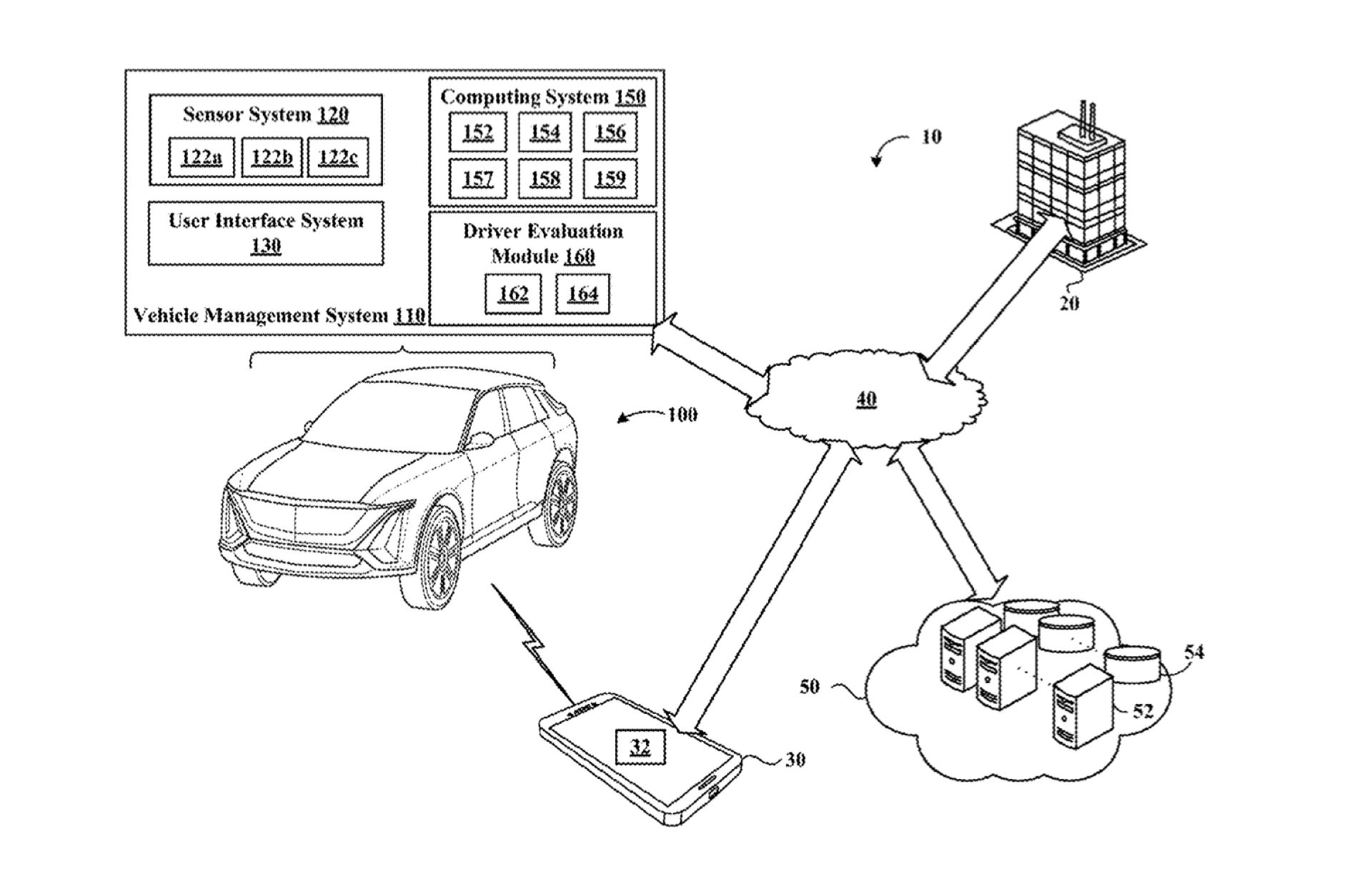
GM engineers have filed for a patent on an innovative system that evaluates whether older motorists can continue driving safely. The technology, titled "System and Method for Determining a Driver Retirement Score," analyses both vehicle and driver data to calculate a comprehensive performance assessment. "Deciding to retire from driving a vehicle can be difficult, as driving can provide a sense of freedom," the engineers noted in their patent application, published by the U.S. Patent and Trademark Office on 28 August.
Unlike previous assessment methods focusing on specific measures, GM’s system uses comprehensive data inputs. The technology continuously monitors driver reaction times, signs of visual strain or fatigue, and driving behaviour patterns. It detects when other motorists honk frequently at the vehicle, evaluates proper use of turn signals, monitors compliance with road signage, and tracks whether performance improves or deteriorates over time. The system can also incorporate medical conditions and complaints filed by other road users or family members.
Once analysed, the system generates a detailed report with specific recommendations for the driver and can alert designated family members about the score. This data-driven approach provides objective foundations for conversations that are often emotionally charged and based on subjective observations.
The technology addresses an increasingly pressing global concern as populations age rapidly. There were almost 52 million licensed drivers aged 65 and older in the United States in 2022, a 77% increase over two decades. Seniors are now outliving their ability to drive safely "for the first time in history," according to motoring organisation AAA, meaning they must plan for driving retirement like financial retirement.
GM declined to comment on the patent filing, and commercialisation plans remain unclear. Critics raise privacy concerns, particularly given GM’s history of sharing driving data with insurance companies. Questions remain about potential age-based discrimination and how such scoring systems might be misused.
The statistics underscore the technology’s importance. Drivers aged 65 and older accounted for 19% of traffic fatalities in 2023, slightly higher than the 25-34 demographic. However, safety technology significantly benefits older drivers, with advanced airbag systems reducing fatalities by 45% for those over 70 compared to 30% for younger drivers.
Whether GM’s patent becomes reality remains uncertain, but it signals growing recognition that technology can help address the complex intersection of ageing, mobility, and road safety objectively and compassionately.
Staff Writer
Reporting from the front lines of the automotive industry, delivering expert analysis and the technical updates that drive the South African motor sector forward.