For more than a century, Europe set the tempo for the global auto show calendar, with the Geneva International Motor Show (GIMS) widely regarded as the industry’s most prestigious stage.
For 118 years, Geneva was where manufacturers revealed their most important new models and concepts, shaping global automotive trends. That era has now ended.
GIMS was staged in Doha for the first time in October 2023, marking the first occasion the event had taken place outside Switzerland. This move formed part of a biennial agreement with Qatar Tourism and signalled a significant shift in the exhibition’s future.
Although the show briefly returned to Geneva in 2024, declining manufacturer participation led to its permanent discontinuation in Switzerland. The GIMS brand has since relocated fully to Doha, underlining a decisive pivot towards the Middle East.
This transition mirrors a broader global realignment. Asia and the Middle East are increasingly emerging as the new centres of gravity for major automotive exhibitions, supported by strong consumer demand, ambitious government investment, and accelerating electrification programmes. These regions now offer manufacturers both scale and momentum that traditional European shows have struggled to maintain.
At the Tokyo Auto Salon 2026, held last week, unlike Geneva, the Japanese show has remained a consistent fixture every January. It successfully blends Japan’s deep rooted tuner culture with mainstream manufacturer debuts. The 2026 edition reinforced Japan’s enduring enthusiasm for performance vehicles while also offering clear previews of future production models.
Among the highlights were Toyota’s GR GT and GR GT3, representing the next step for Toyota Gazoo Racing’s flagship performance ambitions. The GR Yaris MORIZO RR showcased a more focused, production bound take on the popular hot hatch.
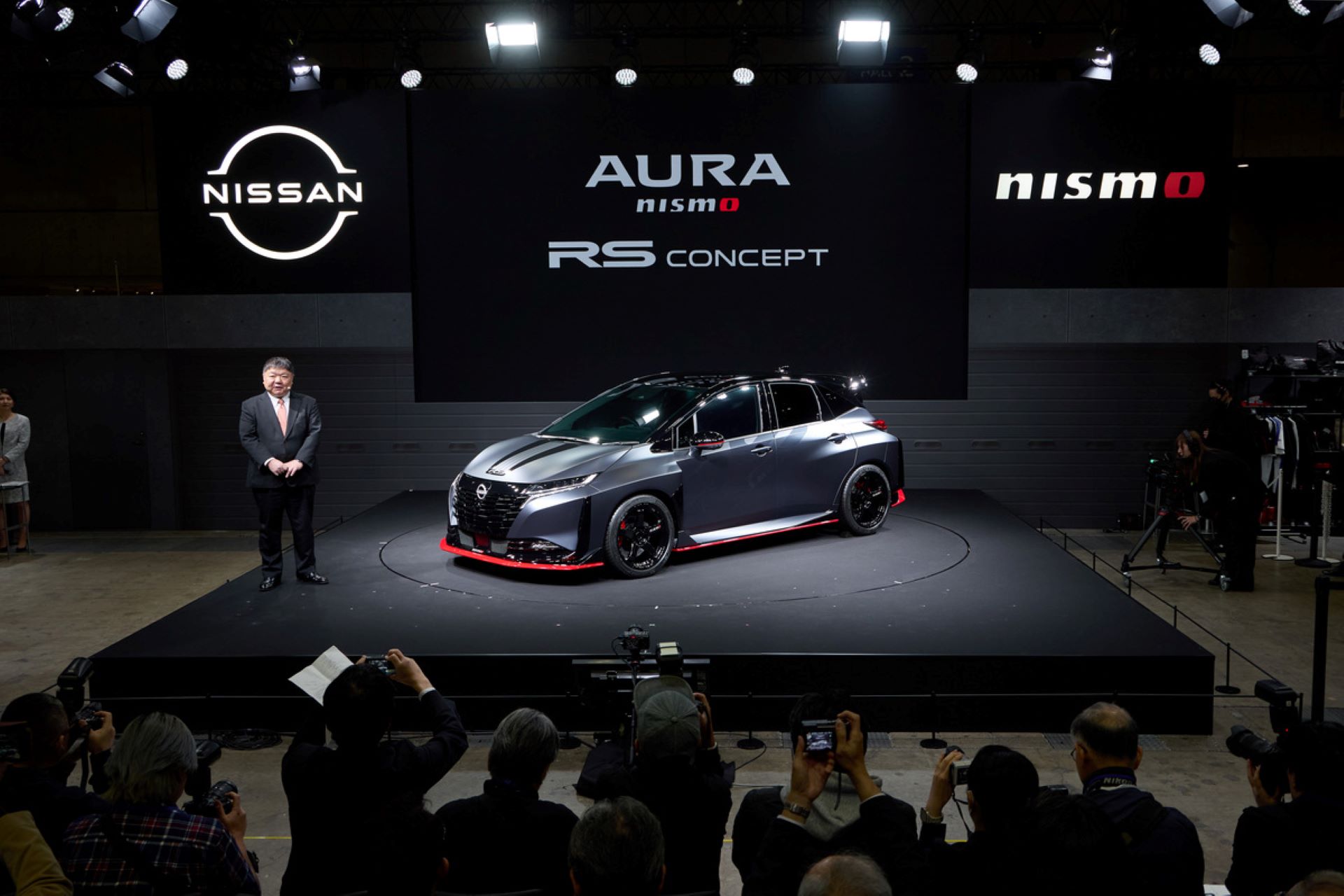
Nissan unveiled a refreshed version of the Z, previewing updates planned for the 2027 model year, and a show stopper, the Nissan Nismo Auro RS Concept.
Honda signalled a nostalgic yet forward looking move with the Prelude Concept alongside Civic e:HEV RS prototypes.
Subaru’s WRX STI Sport prototype hinted at the return of the STI badge with a manual gearbox, while Stellantis used the show to present Peugeot, Citroën and DS models to the Japanese public for the first time.
Chinese manufacturer BYD also made its presence felt with the Sea Lion 6, part of its expanding EV and plug in hybrid strategy for Japan.
The future
Looking ahead, the 2026 international auto show calendar reflects this increasingly global spread. Major events across North America, Asia, Europe, the Middle East and Africa demonstrate how the industry is diversifying its platforms, with electrification, performance and connected technologies firmly in focus.
With Geneva’s legacy now firmly tied to Qatar and Tokyo thriving as a hybrid showcase of culture and production ready vehicles, the global auto show map is being redrawn. For 2026, both enthusiasts and industry insiders can expect a truly international calendar that reflects the automotive world’s shifting priorities and emerging markets.
Staff Writer
Reporting from the front lines of the automotive industry, delivering expert analysis and the technical updates that drive the South African motor sector forward.