Automotive manufacturing is approaching a decisive turning point as the push towards fully automated assembly lines begins to redefine what factory work looks like in the age of artificial intelligence.
The convergence of generative artificial intelligence (AI), autonomous software agents, advanced robotics and digital twins is no longer theoretical. Analysts now expect at least one global carmaker to achieve 100 per cent automated vehicle assembly by the end of the decade.
Industry forecasts suggest that a United States (US) or Chinese manufacturer is most likely to reach this milestone first, driven by aggressive investment in humanoid robots and disruptive production models. Some analysts believe China could even host the world’s first “dark factory” by 2030 — a fully operational automotive plant running without human involvement on the assembly line.
The appeal is clear. AI-enabled manufacturing promises dramatic reductions in cost and time to market, with some studies indicating potential savings of up to 50 per cent. Digital twins allow factories to be simulated, optimised and stress-tested virtually before changes are made in the real world, while intelligent robots bring consistency, speed and precision to complex tasks.
Until recently, certain stages of vehicle assembly — particularly the installation of wiring looms and interior cabin components — remained difficult to automate. Carmakers are now overcoming these barriers by redesigning vehicles specifically for robotic assembly. Techniques include modular wiring systems, embedding harnesses into body panels, and altering the order in which vehicle structures are assembled to give robots better access.
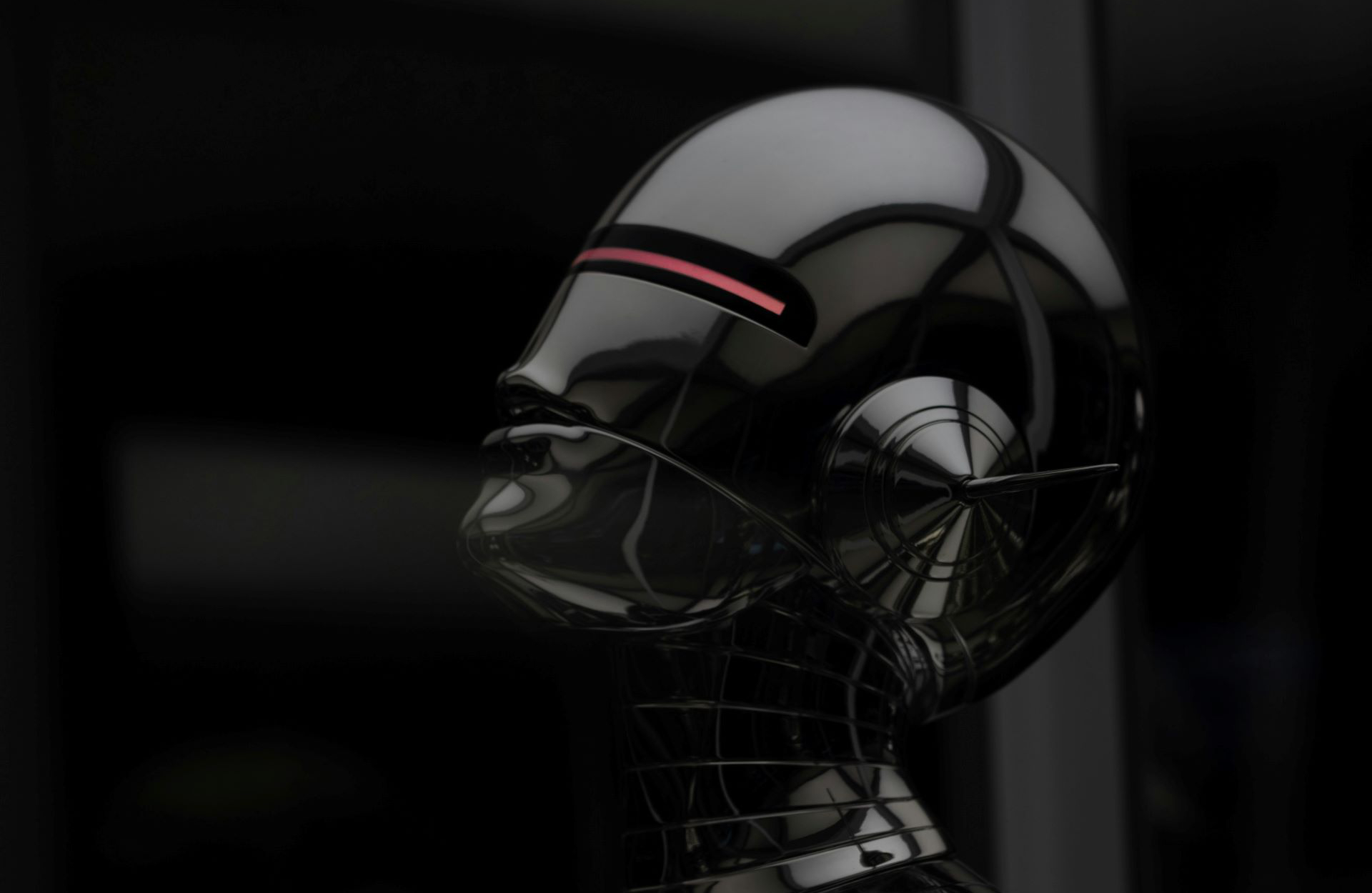
Humanoid robots are expected to play a growing role in this transition. While their impact on production today is limited, rapid advances in dexterity, perception and learning are accelerating adoption. Hyundai Motor Group, for example, plans to deploy humanoid robots from Boston Dynamics at its Georgia manufacturing complex in the US from 2028, with ambitions for large-scale deployment and the capacity to produce tens of thousands of robots each year. Mercedes-Benz has also launched pilot programmes aimed at integrating humanoids alongside human workers before 2030.
Despite the march towards full automation, humans will not disappear from factories altogether. Instead, roles are shifting away from manual assembly towards areas such as robotics maintenance, AI oversight, software development, logistics and quality assurance. Labour organisations and international bodies emphasise that widespread retraining will be essential, with future workers needing strong digital skills, adaptability and the ability to work safely alongside intelligent machines.
The transformation underway is less about replacing people outright and more about reshaping the automotive workforce. As automation reaches unprecedented levels, the industry’s success will depend on how effectively it combines advanced technology with human expertise beyond the assembly line.
Staff Writer
Reporting from the front lines of the automotive industry, delivering expert analysis and the technical updates that drive the South African motor sector forward.