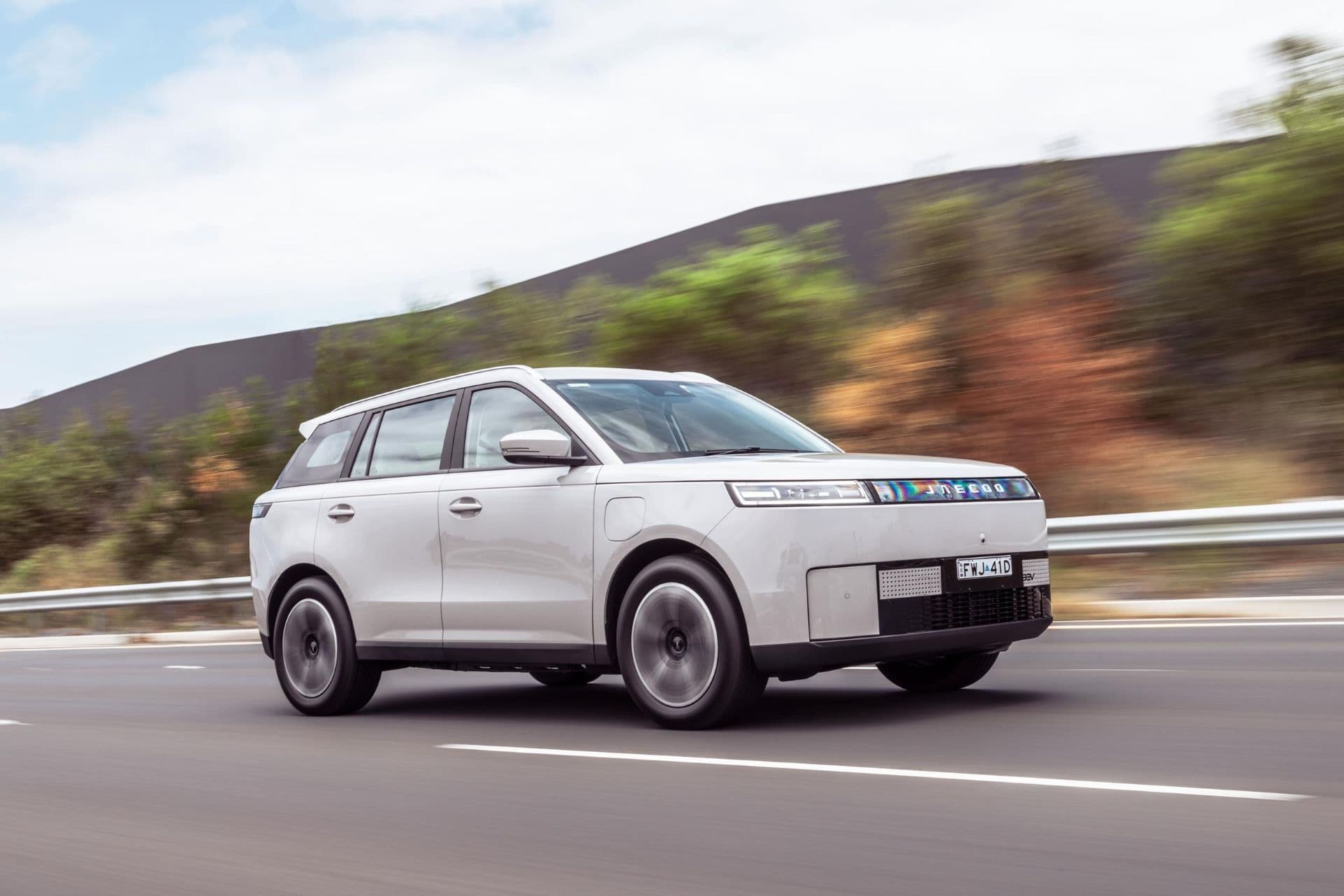
Europe is witnessing a sharp rise in used electric vehicle demand as petrol prices climb following the outbreak of war in Iran.
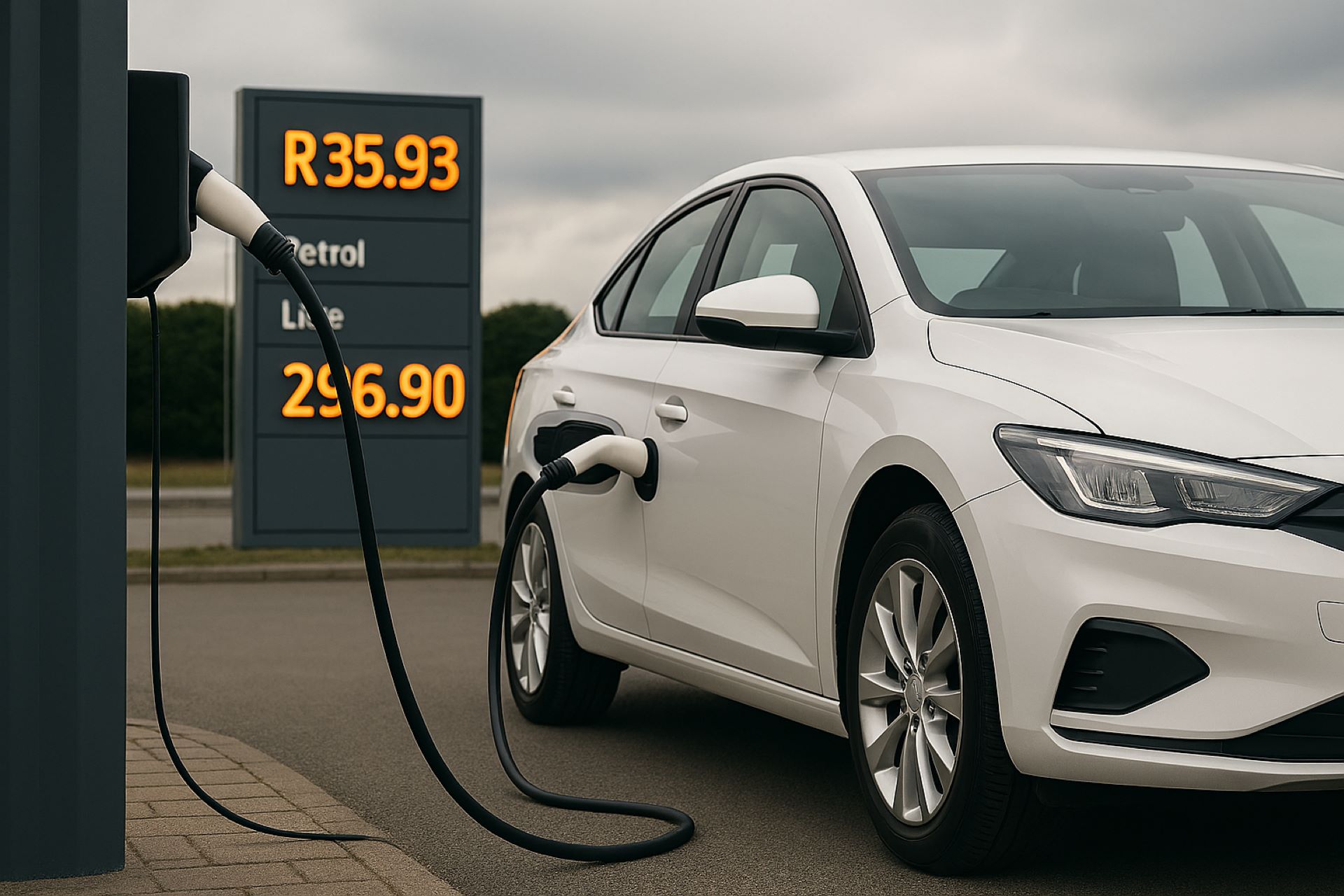
The conflict has disrupted a key shipping corridor that normally carries about 20 percent of global oil, pushing EU fuel costs sharply upward. Average petrol prices have risen 12 percent to €1.84 per litre, which converts to approximately R35.93 (1.84 euro.)
Online car platforms across Europe report unprecedented interest in second hand EVs. Norway’s Finn.no states that electric models have overtaken diesel as its bestselling category, while French retailer Aramisauto has seen its EV share nearly double to 12.7 percent. Consumers in France, Portugal, Romania and Poland are sending significantly more EV enquiries week by week, with increases ranging from 39 to 54 percent. Analysts note that crossing the psychological threshold of €2 per litre, equal to R39.10 (2 euro), has had a lasting effect on buying habits as households seek relief from rising fuel costs.
Used EVs are proving especially attractive because their purchase price can be up to 40 percent lower than new models and they are immediately available, unlike new vehicles which may take months to deliver. Dealers across Europe report record levels of EV related web traffic and enquiries, suggesting the shift is both broad and sustained.
In Africa, however, the trend is far more muted. While the continent is also experiencing inflationary pressure as oil prices surge, most markets are not yet seeing a comparable rise in used EV demand. African economies remain heavily dependent on imported petroleum, and the spike in global prices is contributing to currency weakening and higher transport costs rather than accelerating private EV uptake. Analysts warn that these pressures risk deepening inflation rather than stimulating EV adoption, particularly in countries such as Kenya, Ghana and South Africa which are highly exposed to oil price shocks.
That said, some structural shifts are beginning to take shape. Industry observers suggest that sustained high fuel prices may push African commercial fleets and two-wheeler operators toward electrification. In East and West Africa, electric motorcycles and tuk tuks already represent the fastest growing EV segment, and experts argue that the oil price shock may reinforce the financial case for switching, especially for high mileage operators. However, private passenger EV adoption remains constrained by high upfront vehicle costs, limited charging infrastructure and concerns about electricity reliability across several markets.
South Africa remains the closest to broader EV momentum, driven mainly by manufacturing incentives and policy reforms rather than the immediate impact of the Iran conflict. Although EV sales are increasing, they are still small compared with European uptake and are not rising at the rapid pace seen across EU used car platforms.
Overall, while Europe is undergoing a pronounced and immediate shift toward used electric vehicles, Africa’s response is more complex and slower moving. The continent’s EV growth is influenced more by long term policy direction, infrastructure development and cost considerations than by short term fuel price shocks.
Staff Writer
Reporting from the front lines of the automotive industry, delivering expert analysis and the technical updates that drive the South African motor sector forward.