
Ford Motor Company is preparing to introduce giant single piece aluminium castings for its forthcoming electric pickup.
This approach, known as megacasting, replaces traditional assemblies that once required hundreds of individual components. Reports indicate that this strategic shift is intended to lower production costs as well as reduce the repair bills faced by vehicle owners.
By consolidating numerous elements of the vehicle’s structure into one large casting, Ford significantly reduces complexity. There are fewer welded joints and seams, which results in fewer potential failure points. This mirrors wider industry findings that simplified structures can cut manufacturing complexity and can help reduce repair costs for consumers.
There has been long standing concern that replacing such a large component might be more expensive than repairing traditional multi piece steel structures. However, evidence from studies of similar gigacast designs, such as those used by Tesla, suggests that these concerns may not fully hold true. Research from Thatcham and WardsAuto shows that gigacast components can lower repair costs in both partial and full replacement situations when compared with conventional multi part assemblies. Tesla’s gigacast rear structure has demonstrated considerable savings in real world crash repair scenarios, largely because of reduced labour and simpler geometry.
If Ford embraces design features that allow for modular repairs, similar to Tesla’s approach, owners may see meaningful benefits. Tesla has implemented solutions such as sectional replacement zones and repair inserts that can be used to replace only the damaged section of the casting rather than the entire unit. This type of repair friendly design plays a key role in lowering repair costs.
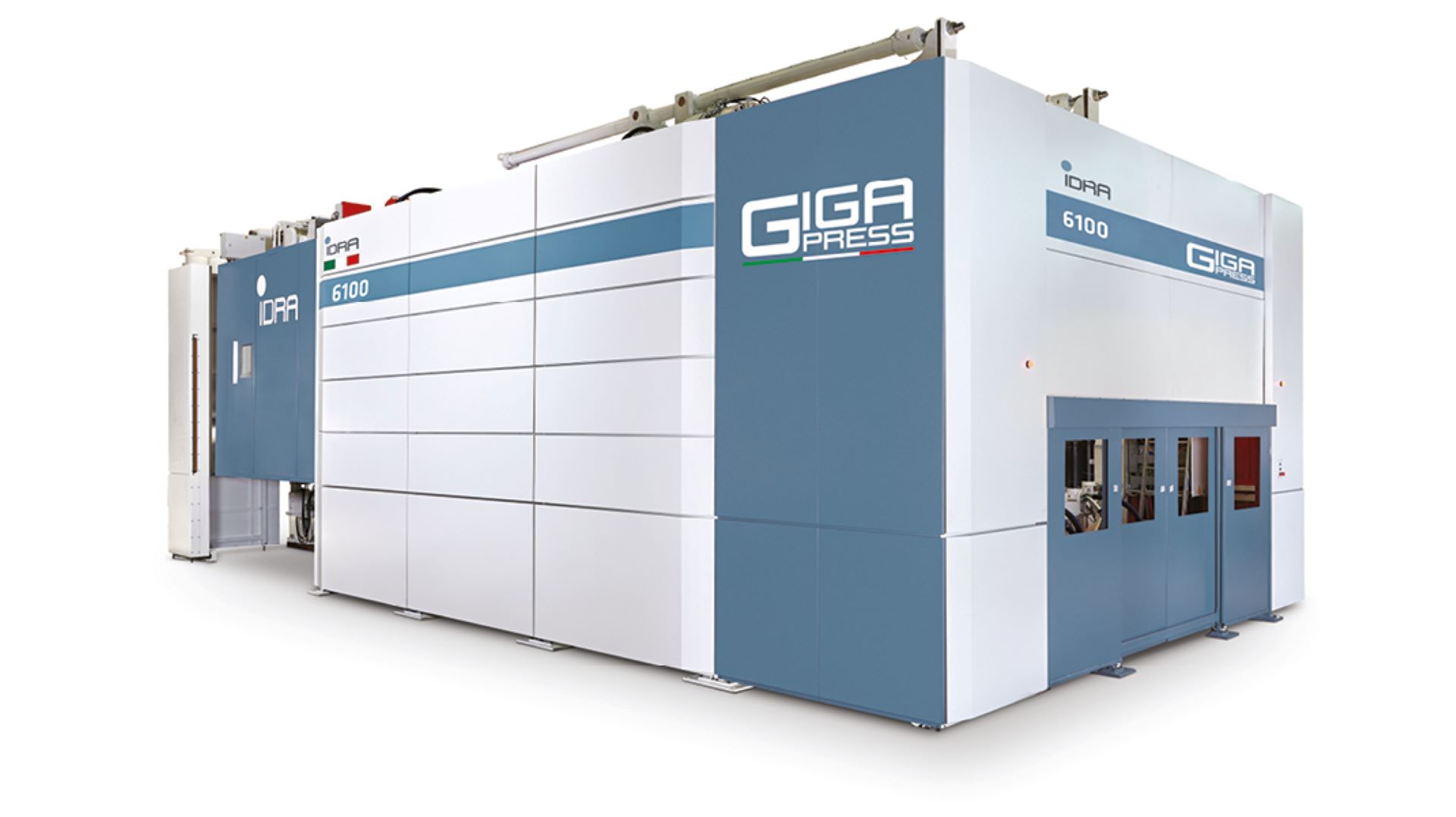
Despite the promising outlook, megacasting introduces new challenges that could influence repair pricing. Industry analysis notes that while megacast parts are strong, they can be difficult to repair if severely damaged. High scrap rates and the requirement for specialist tools along with technician training can raise costs for manufacturers and repair facilities. Workshops may incur new expenses for certifications and aluminium specific equipment, which might initially limit the savings passed on to consumers.
Considering Ford’s stated intention to reduce repair bills by using megacasting, there are several likely benefits for customers. These include the possibility of lower repair costs for low to moderate damage, reduced labour hours because of simplified structures, and shorter repair timelines if Ford develops standard procedures across its service network.
However, repair costs for serious collisions may remain high if structural integrity is compromised, and full casting replacements could still be required. This area is evolving as manufacturers refine their repair strategies and techniques.
Overall, while megacasting presents both advantages and challenges, current evidence suggests that Ford’s adoption of this method is likely to reduce repair costs across many damage categories, particularly if the company incorporates proven repair friendly design practices.
Staff Writer
Reporting from the front lines of the automotive industry, delivering expert analysis and the technical updates that drive the South African motor sector forward.