Ford’s decision to bring hundreds of veteran quality specialists back into its engineering operation is less a rejection of artificial intelligence than a reminder of what the technology still cannot do on its own.
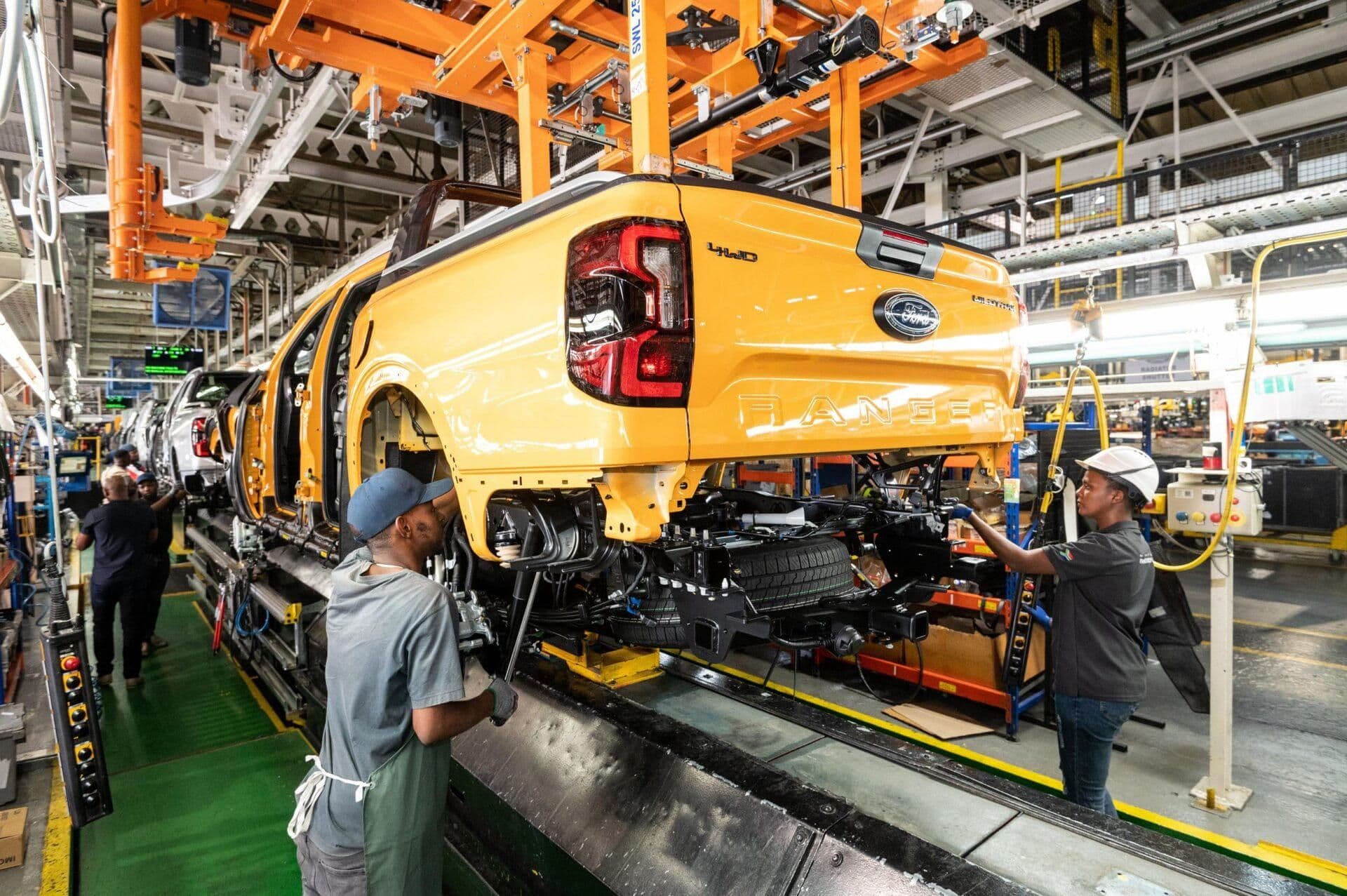
The US carmaker had embraced AI as part of a broader push to improve productivity and catch defects earlier in the manufacturing process. It rolled out automated tools, including hundreds of AI-powered cameras in its plants, to spot quality issues before they became costly problems.
The logic was compelling: machines could scan, compare and flag anomalies at speed, helping engineers prevent faults before vehicles reached customers.
Yet the results were not enough. Ford executives have since acknowledged that automated systems lacked the depth of judgement built up by experienced engineers over decades of product cycles. The company has reportedly rehired or brought in more than 300 veteran specialists to help strengthen its quality processes, train younger staff and improve the AI tools that were meant to support the work.
That distinction matters. The story is not simply “humans beat machines”. It is that AI performs best when it is trained, challenged and guided by people who understand the messy realities behind the data.
A design requirement can describe what a part should do. A seasoned engineer may know how it can fail, how suppliers can vary, how assembly conditions can change, and which small warning signs deserve attention.
Ford’s turnaround gives the lesson extra weight. The company has recently celebrated being ranked the top mainstream brand in the 2026 J.D. Power U.S. Initial Quality Study, its first such result since 2010. The study found that Ford improved sharply, while models such as the F-150, Mustang and Super Duty ranked highly in their segments.
That achievement followed a wider quality push involving engineering, manufacturing and supply chain changes, not technology alone.
The broader message for business is clear. AI can be a powerful accelerator, but it is not a substitute for institutional memory. Companies that treat experienced workers as disposable risk losing the knowledge needed to make automation effective. Those that combine machine speed with human expertise are more likely to see lasting gains.
Ford’s experience should therefore be read as a cautionary tale for the current AI boom. The most valuable workplace systems may not be the ones that replace people, but the ones that learn from them. In manufacturing, as in many industries, progress still depends on judgement, mentorship and the kind of practical wisdom no algorithm can invent from scratch.
Staff Writer
Reporting from the front lines of the automotive industry, delivering expert analysis and the technical updates that drive the South African motor sector forward.
More news from OEM News