Ford Motor Co.in the U.S. is intensifying its effort to reduce vehicle downtime through Uptime Assist, a service programme that closely tracks repair progress across its dealer network.
The system monitors each repair order and notifies a central support team if it remains open for more than two days, allowing Ford to intervene quickly with technical advice or assistance locating parts. Since debuting in 2025, Uptime Assist has cut average repair times by between 10 and 15 percent, helping raise transparency and speeding up customer turnaround.
Commercial operators particularly stand to gain from these improvements because every day a work vehicle remains idle can cost between 500 and 1,000 dollars. Ford Pro supplements the programme with predictive technology that uses real time data to anticipate repairs before they occur. This connected approach allows dealers to prepare in advance, reducing delays by ensuring the right parts and information are in place before a vehicle arrives at the workshop. The company expects these practices to push traditional multi hour service windows toward near elimination as maintenance is shifted to times when vehicles would otherwise not be in use.
Dealers are already reporting measurable gains from the system. Morris Smith III of Kansas notes that several monthly repairs are completed more quickly due to earlier parts arrival, especially where recall components are involved. He highlights that the ability to return parts without cost minimises financial impact and helps with stock accuracy. In one case involving Ford Explorer A pillar replacements, Uptime Assist prevented prolonged delays for a job that should take only minutes. Ford says parts shortages occur just 3 percent of the time, and when they do, the company can often source items from nearby locations or arrange direct supplier shipments.

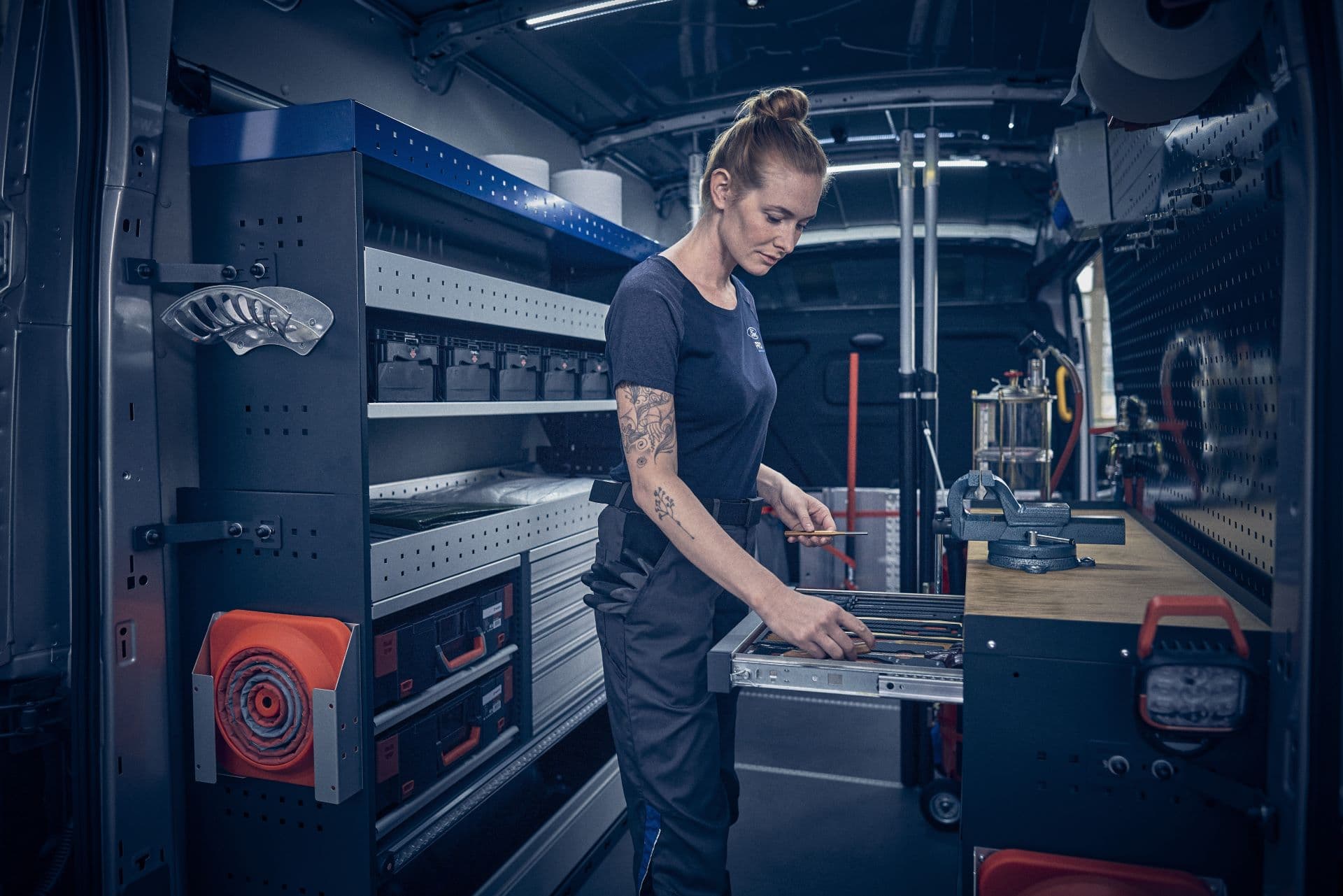
Technical efficiency is also improving. Ford’s dedicated support hotlines for hardware and software issues enable dealers to bypass the slower traditional route of waiting for field engineers. Some troubleshooting tasks that once required eight hours now take as little as twenty minutes. Remote access capabilities further streamline the process by allowing Ford technicians to diagnose vehicle issues without physically inspecting them first, encouraging dealers to request help earlier and more often.
The next major step in Ford’s plan involves a deeper integration of artificial intelligence. Uptime Assist is now supported by AI tools that reference extensive service records and manuals to ensure repair claims meet required standards before submission. This reduces avoidable administrative delays and helps guide technicians through increasingly complex software-based issues. Ford expects AI to play a growing role as modern vehicles rely more heavily on digital systems.
Additional Reporting: Automotive News
Staff Writer
Reporting from the front lines of the automotive industry, delivering expert analysis and the technical updates that drive the South African motor sector forward.