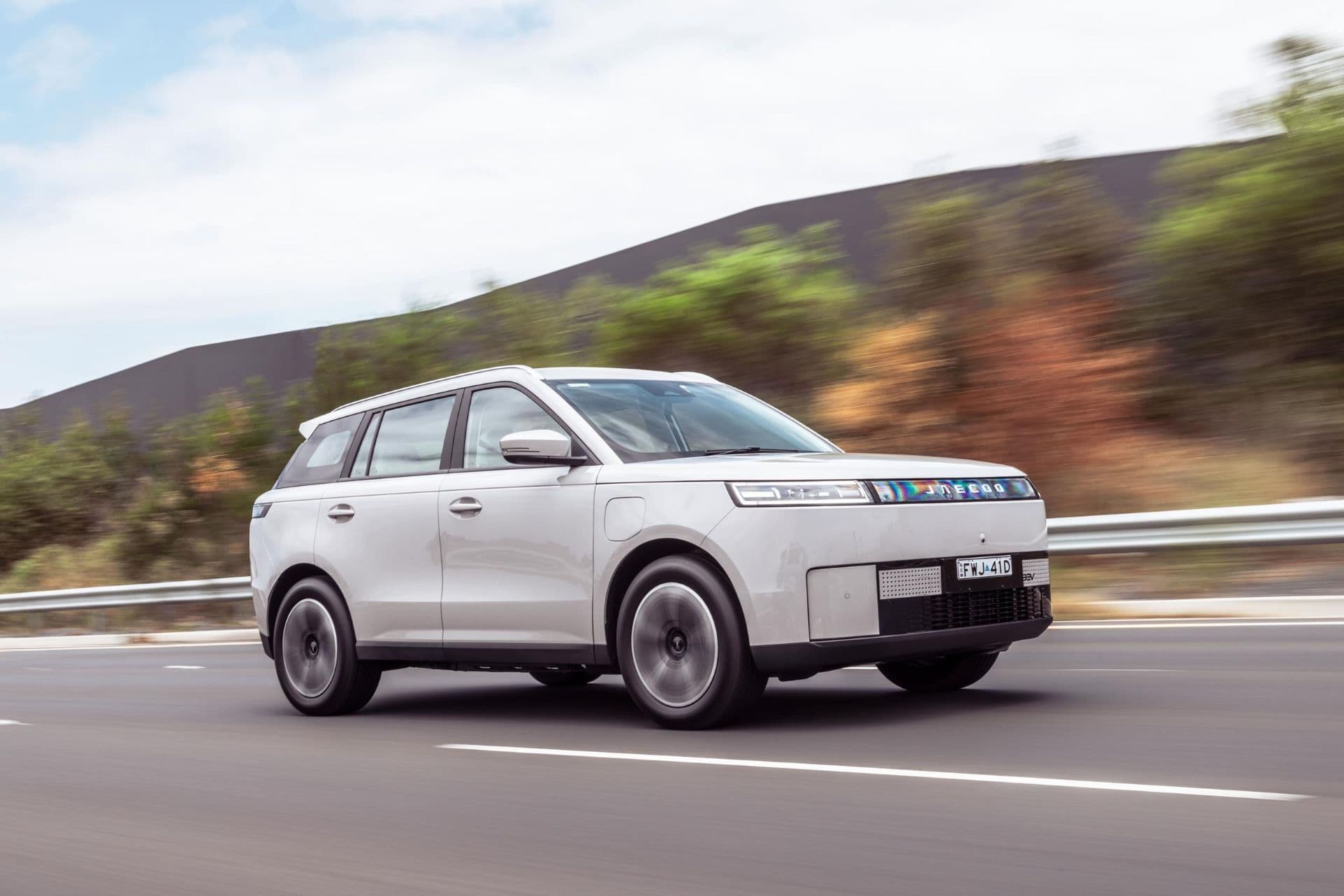
Kenya’s automotive sector made headlines recently when Tad Motors unveiled its first range of locally assembled electric vehicles — a moment that has sparked conversation across the continent about Africa’s growing capacity for home-grown mobility innovation.
For South Africans, the development inevitably raises the question of whether something similar could happen here, and whether the country is any closer to realising long-discussed ambitions of producing its own vehicle or a truly South African electric car.
Tad Motors’ achievement rests on a pragmatic formula: components sourced from China, combined with government support, international partnerships and local assembly. That combination has allowed the Kenyan startup to launch five distinct EV models, from compact urban cars to rugged utility vehicles, all produced under Kenyan conditions and intended for African roads. Crucially, the Kenyan government has played an enabling role, championing clean mobility, offering industrial support and actively encouraging foreign investment. International bodies such as the United Nations Environment Programme have also endorsed the move, cementing Kenya’s position as one of the most progressive EV adopters on the continent.
South Africa, by contrast, sits in a more complicated position. It has by far the strongest automotive manufacturing base in Africa, hosting major plants for global giants like Toyota, Ford, BMW, Mercedes-Benz and Volkswagen. It boasts advanced component manufacturers, logistics infrastructure and a deep reservoir of engineering skill. By most logical measures, South Africa should already be leading Africa’s EV manufacturing charge. Yet progress has remained slow, hampered by prolonged policy uncertainty and hesitation over long-term industrial planning.
For nearly a decade, South Africa has debated a comprehensive EV strategy, but practical implementation has lagged. Manufacturers have repeatedly raised concerns about unclear import duties, limited incentives for local EV production and an absence of a coordinated battery manufacturing framework. The government’s 2023 EV White Paper was a welcome step, but has yet to create the decisive momentum needed to attract the kind of pioneering local ventures emerging in Kenya.
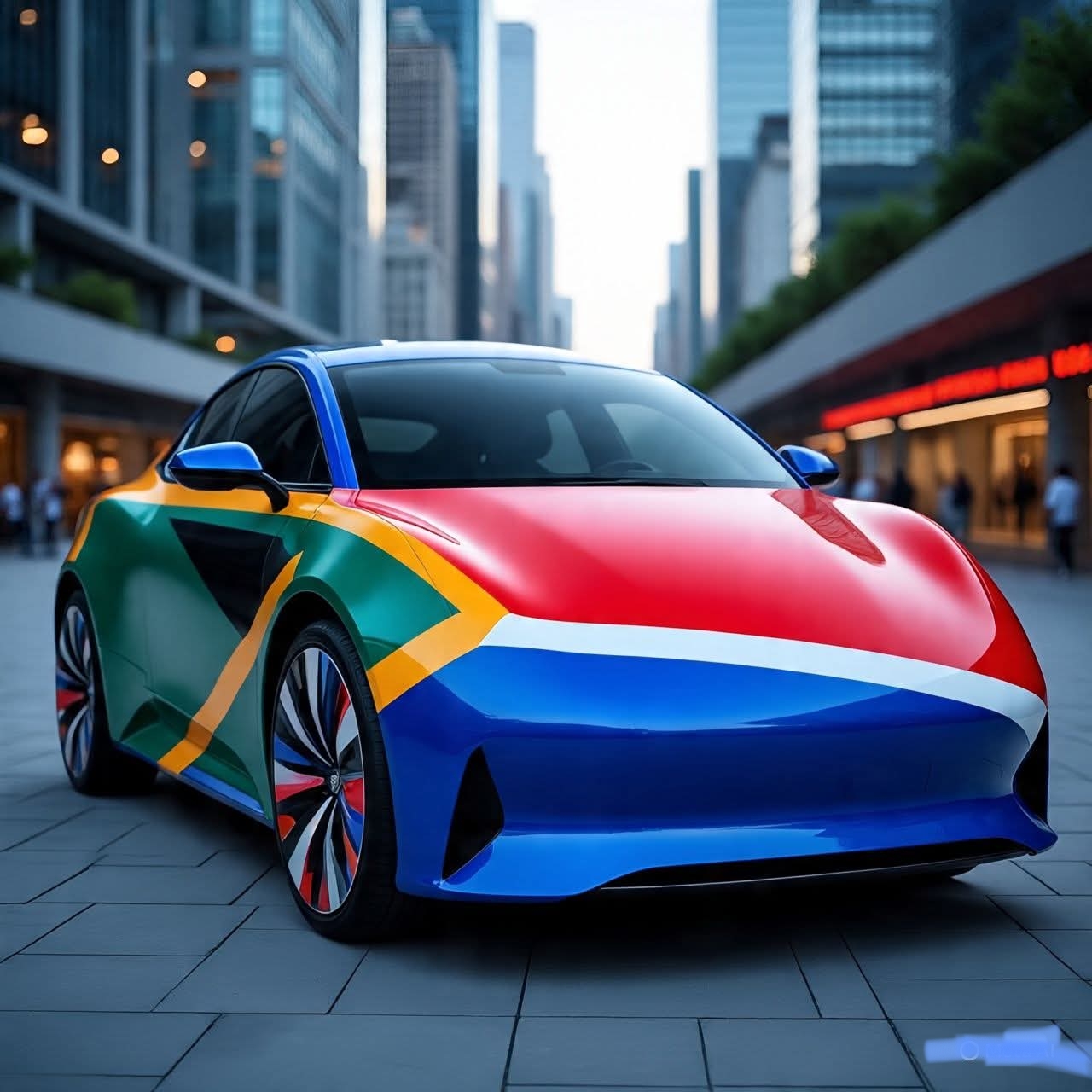
Market conditions have also played a role. EV adoption in South Africa remains low due to high prices, limited charging infrastructure and the added complication of an unstable electricity grid. While these factors do not prevent local assembly, they do make the market less attractive for startups hoping to grow from a local consumer base.
Even so, South Africa has a long history of dreaming about a home-grown car. Over the years, rumours and genuine attempts have surfaced — some well-intentioned, others more speculative. The most credible effort was the Joule, a South African-designed electric vehicle developed by Cape Town’s Optimal Energy in the late 2000s. It attracted international curiosity and made an appearance at the Geneva Motor Show, but ultimately collapsed due to insufficient investment and a lack of government support. Earlier decades saw their own attempts at unique South African vehicles or kit-car projects, but none reached industrial scale or commercial longevity.
Kenya’s Tad Motors success therefore highlights both what is possible, and what South Africa has struggled to translate into reality. With the right incentives, local innovators could assemble or even design small, affordable EVs tailored to African conditions. South Africa’s manufacturing ecosystem is primed for it; what is needed is the same clarity of purpose and governmental backing that Kenya has demonstrated. The country need not compete directly with the premium EV imports currently dominating the market. A locally assembled compact EV, a robust utility vehicle or a high-volume urban runabout could fill a niche that global manufacturers have yet to prioritise.
As more African nations position themselves within the emerging EV economy, South Africa faces a narrowing window of opportunity. Kenya, Rwanda, Morocco and Egypt are all writing their own success stories. South Africa has everything required to do the same — except, perhaps, urgency. Kenya’s moment with Tad Motors should not be seen as a challenge, but as a reminder that African innovation thrives where the environment allows it to. If South Africa is to retain its place as the continent’s automotive powerhouse, it may need to rediscover the boldness that once fuelled projects like the Joule and pair it with the policy certainty that today’s industry demands.
The question is no longer whether South Africa can build its own electric vehicle. The real question is whether it will choose to act before others race ahead.
Staff Writer
Reporting from the front lines of the automotive industry, delivering expert analysis and the technical updates that drive the South African motor sector forward.