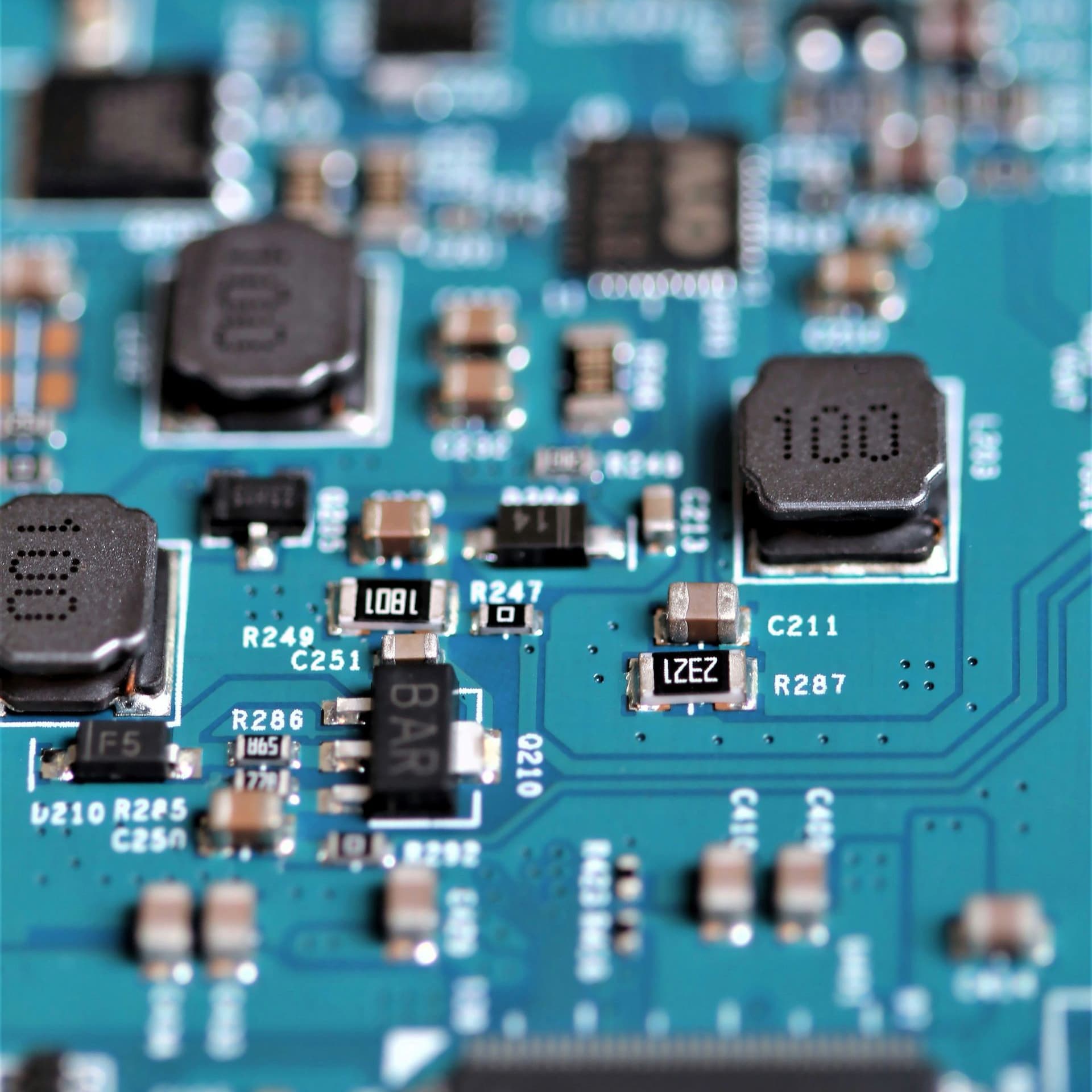
A modest factory in Dongguan, southern China, has become an unlikely choke point for the global automotive industry. Dutch chipmaker Nexperia’s plant, situated beside a weed-strewn lot, has exposed a critical vulnerability: even low-tech semiconductors can bring car production to its knees.
Automakers pledged to fortify supply chains after COVID-19 and a Japanese factory fire crippled chip output in 2020 and 2021. Yet few anticipated that basic components—costing mere pennies—would become a geopolitical weapon. “No one prepared for geopolitical disruption, and they’re still not prepared,” warned Ambrose Conroy, CEO of Seraph Consulting.
The crisis erupted when the Dutch government seized Nexperia’s headquarters in September, citing fears over its Chinese owner, Wingtech. Beijing retaliated by halting exports of chips assembled in the Pearl River Delta. Though the Netherlands later reversed its decision, the damage was done. Nissan and Honda slashed production, while Bosch cut working hours at its German plants.
Interviews with industry insiders reveal how reliance on “just-in-time” inventory and scant diversification left carmakers exposed. China’s influence extends beyond advanced technology and rare earths to everyday components—and it is willing to wield that power. Bosch alone spends €200 million annually on Nexperia chips, yet lacked ready alternatives.
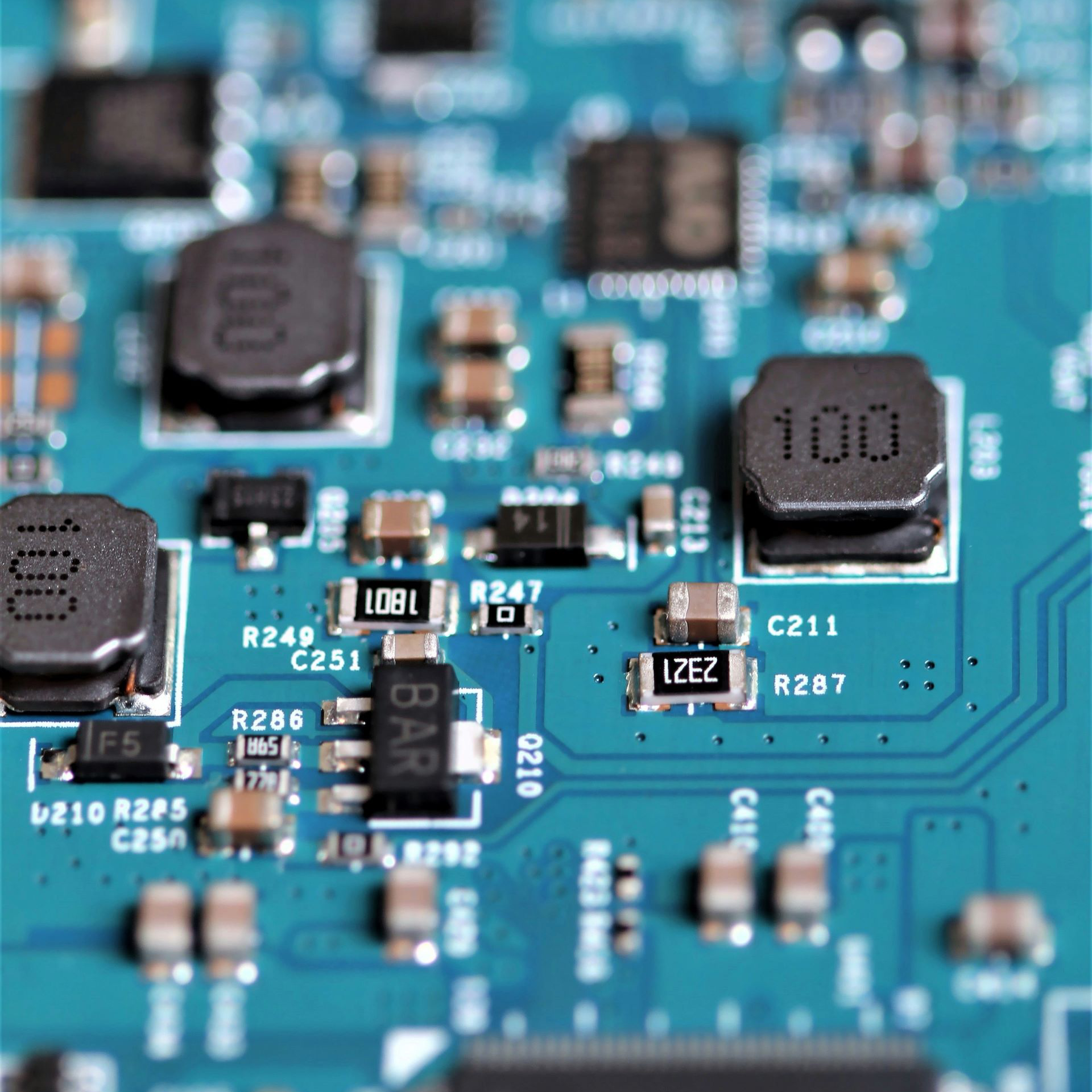
Complications deepened when Nexperia resumed domestic sales but demanded payment in yuan, creating logistical headaches and stockpiles at the Dongguan site. Exports only resumed after a high-level meeting between Donald Trump and Xi Jinping, narrowly averting shutdowns at Bosch and suppliers such as ZF Group and Hella.
The episode underscores a harsh truth: even mid-range electronics can immobilise global supply chains. “If China wants to get a grip on you, it still can. You have no way out,” said Li Xing of the Guangdong Institute for International Strategies.
Despite past warnings, many automakers failed to learn from previous shocks. “You’d expect them to hold months of chip inventory,” noted analyst Julie Boote. Nissan admitted that replacing fragile supply chains is slow work, while Toyota’s long-standing policy of stockpiling chips—introduced after the 2011 Japan earthquake—helped it avoid severe disruption.
Building resilience, however, comes at a cost. Chips like Nexperia’s are often soldered directly onto vehicle components, making substitution complex and time-consuming. Testing new parts can take months, and suppliers such as Hella estimate that qualifying alternatives could stretch to a year.
As Alfredo Montufar-Helu of Ankura Consulting observed: “Everyone will talk about diversification and resilience. Then they’ll realise how expensive it is.”
Staff Writer
Reporting from the front lines of the automotive industry, delivering expert analysis and the technical updates that drive the South African motor sector forward.