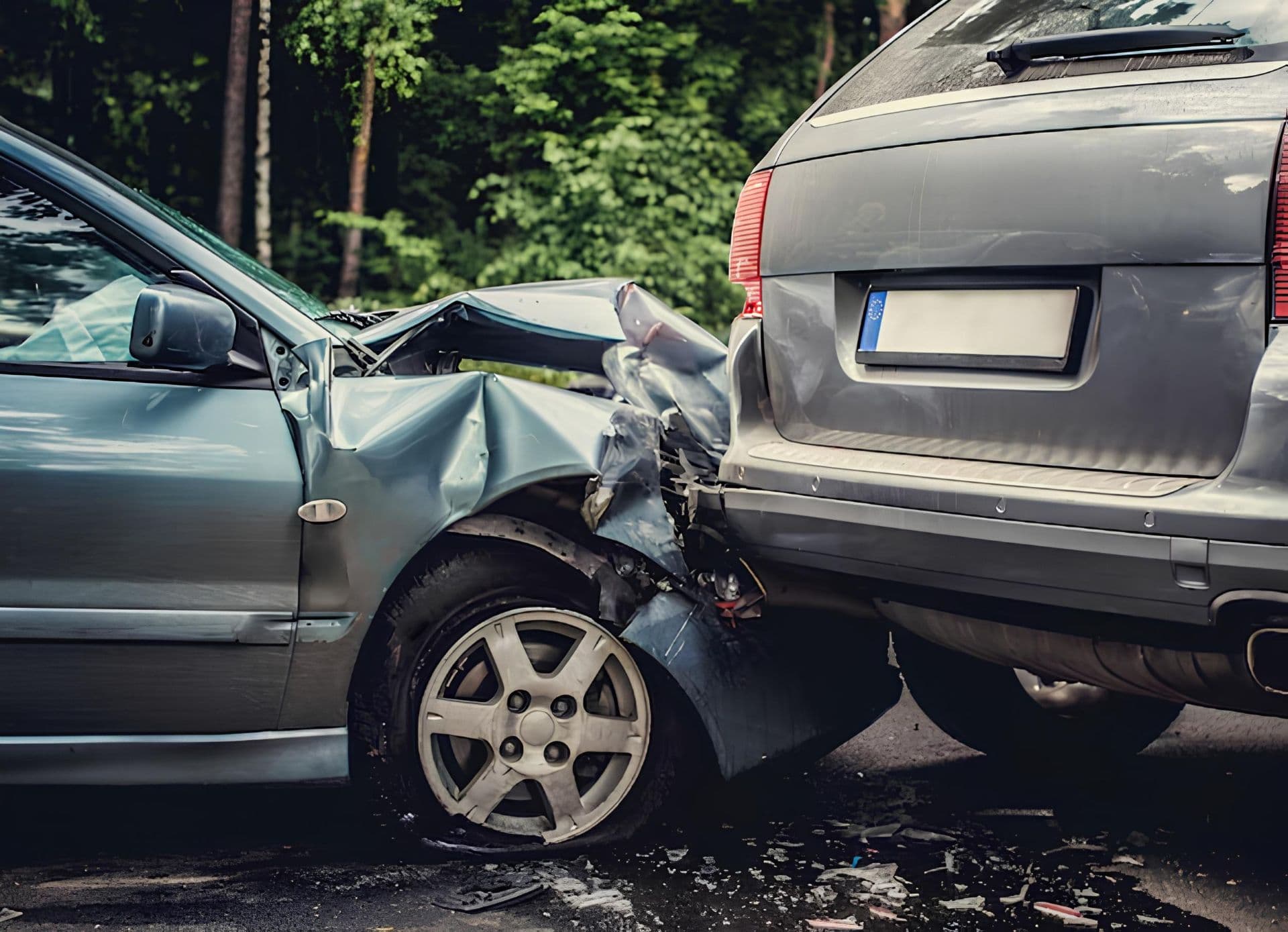
SAMBRA, a division of the Retail Motor Industry Organisation (RMI), is once again urging motorists and repair professionals to pay close attention to a defining U.S. legal case that has sent shockwaves through the global collision-repair sector.
In Dallas, Texas, the John Eagle Collision Centre was found liable for damages totalling R507 million (±$31.5 million) after deviating from Honda’s prescribed repair procedures.
The case centred on improper repairs carried out on a hail-damaged Honda Fit. Instead of welding a replacement roof as Honda’s repair manual requires, the shop opted to bond it with structural adhesive — a choice that went against more than 100 specified weld points. When the vehicle was later involved in a severe collision, the adhesive-bonded roof detached and contributed directly to catastrophic injuries. A Texas jury ultimately awarded almost R676 million (±$41.966 million) in damages and held the repairer 75% responsible for the extent of the injuries.
SAMBRA National Director Juan Hanekom warns that this ruling should serve as a critical reminder for South African motorists. He stresses that no matter the extent of the damage — hail, cosmetic, or structural — repairs must follow the vehicle manufacturer’s official specifications to the letter. Cutting corners may compromise the vehicle’s structural integrity and expose repairers and insurers to immense legal and moral risk.
Brandon Cohen, National Chairperson of NADA, reinforces this stance, noting that modern vehicles are intricate systems comprising thousands of engineered components, each validated through rigorous crash-testing programmes like NCAP. Only strict compliance with OEM repair requirements can ensure that safety systems perform correctly in future collisions.
Hanekom adds that the warning comes at a crucial time for South Africa, particularly as recent hailstorms have increased demand for roof and panel repairs. What many motorists regard as minor cosmetic work can, if handled incorrectly, weaken the chassis or reduce the vehicle’s crashworthiness. He encourages the public to insist on using SAMBRA-accredited repairers, who undergo continuous training and auditing to ensure full compliance with OEM standards.
The U.S. court records also revealed allegations that insurer pressure influenced the repair decision, pushing the shop toward the cheaper bonding method. This issue, Hanekom says, mirrors concern already present in the South African market, where cost-cutting pressures can undermine proper procedures if left unchecked.
He cautions that South African insurers and repairers risk facing similar consequences if they ignore OEM specifications. Should a vehicle later fail in an accident due to unauthorised repair shortcuts — especially involving structural elements such as roofs or pillars — the parties responsible may be held legally accountable for resulting injuries or fatalities.
SAMBRA urges motorists to verify the accreditation of their chosen repairer and insist on written assurance that all manufacturer-approved repair methods will be followed. As the Dallas case demonstrates, even hidden or seemingly minor deviations from OEM requirements can have life-changing consequences.
Staff Writer
Reporting from the front lines of the automotive industry, delivering expert analysis and the technical updates that drive the South African motor sector forward.