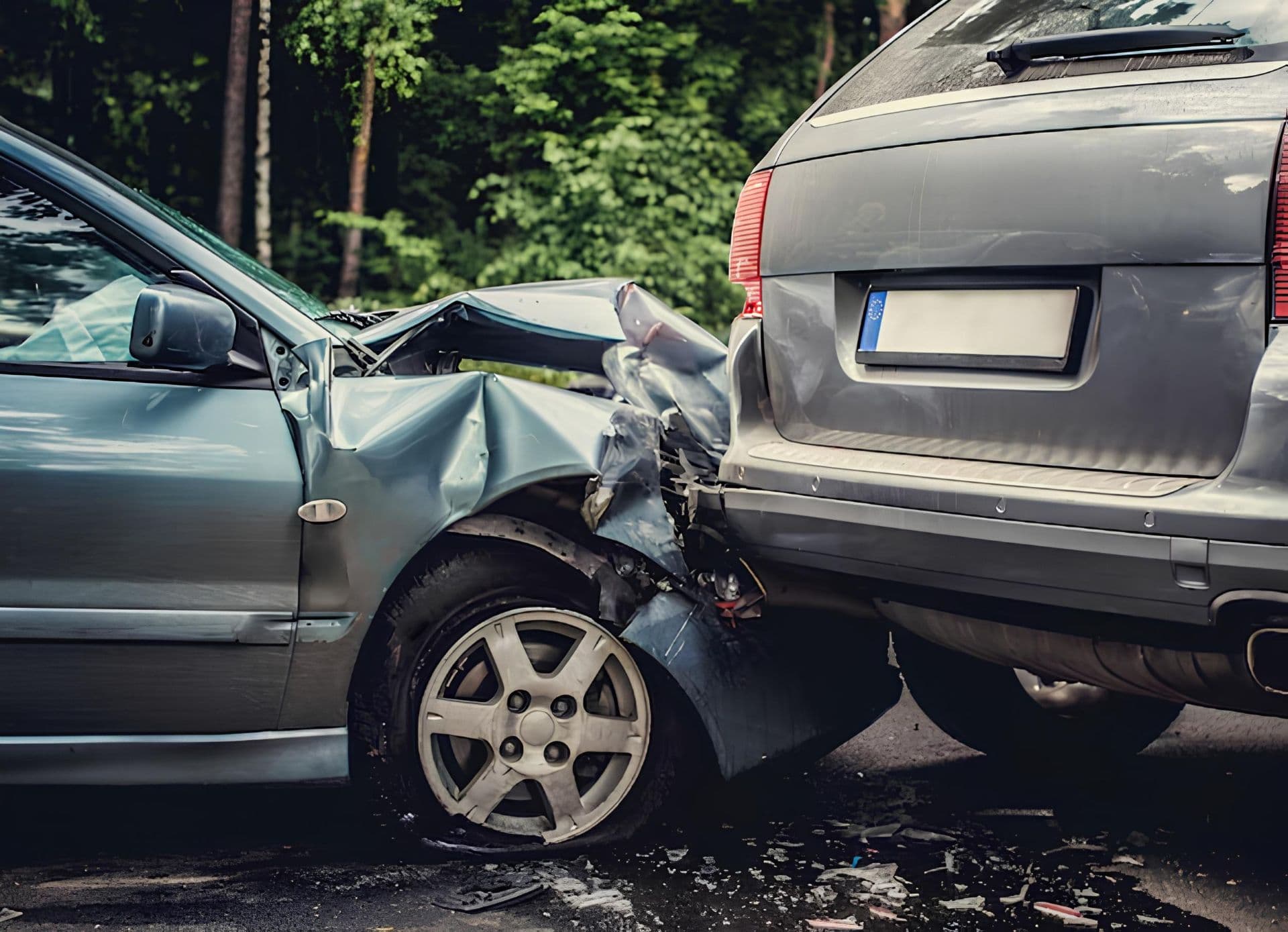
The Automobile Association of South Africa (AA) has clarified its role in the Global NCAP Safer Cars for Africa programme following widespread public reaction to the crash test results of the Hyundai Grand i10.
Many owners were surprised to learn that the popular model received a zero star adult occupant safety rating, despite being one of the top selling passenger vehicles in South Africa during 2025.
The AA confirmed that it has received numerous enquiries from concerned Grand i10 owners and members of the public. These enquiries centred on why the organisation does not explicitly discourage the purchase of vehicles with poor safety ratings and what existing owners of such vehicles should do after the results are published.
In response, the AA explained that its mandate is to inform consumers rather than prescribe behaviour. It does not have the regulatory authority to ban or endorse vehicles, nor can it prohibit the sale of vehicles that comply with current legal requirements. Instead, its role is to highlight safety shortcomings by publishing and commenting on independent crash test results.
According to the AA, this transparent approach has already led to meaningful changes in the local market. Since the #SaferCarsForAfrica programme was launched nearly a decade ago, several manufacturers have either withdrawn poorly rated models or improved safety specifications in response to unfavourable results.
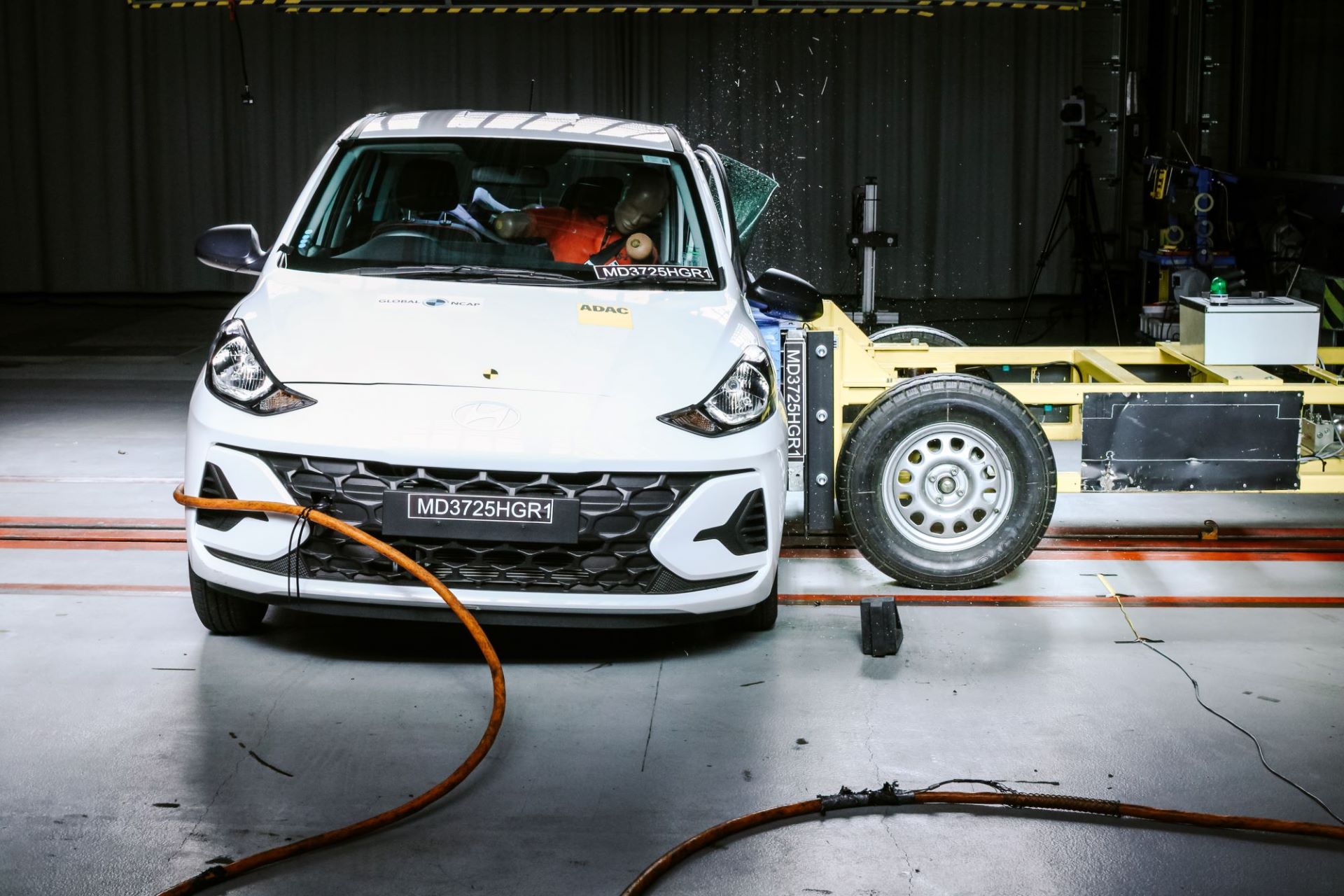
For current owners of vehicles with poor safety ratings, the AA advises that transitioning to a safer make or model should be considered where possible. It also acknowledges that financial or personal circumstances may make such a change difficult. Importantly, the AA stresses that a poor NCAP rating does not render a vehicle illegal to drive. Rather, it provides a clear indication of how well occupants are likely to be protected in a collision.
The AA also addressed concerns about why more vehicles are not tested. Crash testing is costly and logistically complex, requiring vehicles to be purchased locally and shipped to Europe for assessment. As a result, the programme prioritises high volume and higher risk models.
The statement concludes by confirming that the AA is working towards establishing an Africa NCAP programme as part of its long term safety strategy.
Staff Writer
Reporting from the front lines of the automotive industry, delivering expert analysis and the technical updates that drive the South African motor sector forward.