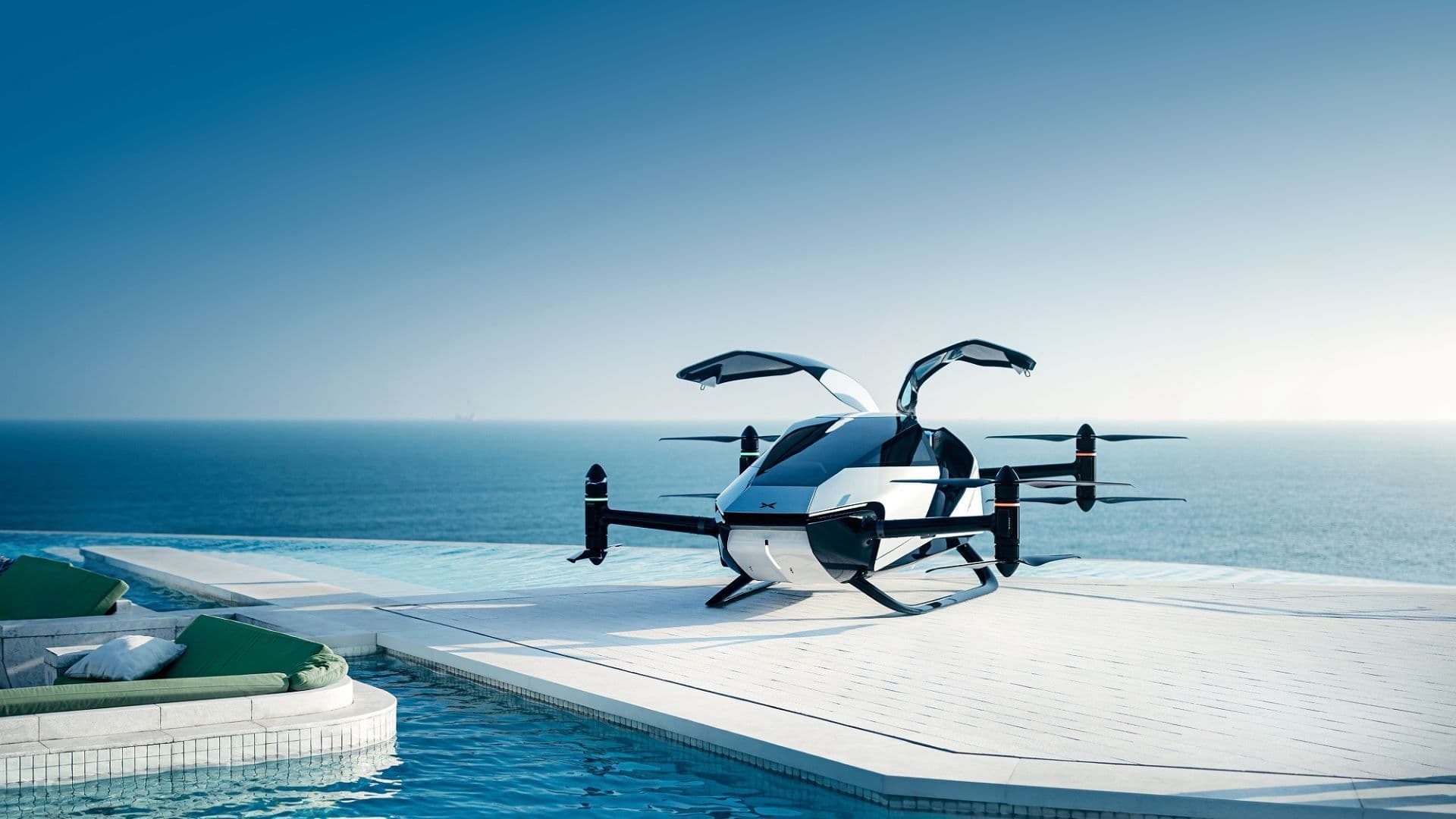
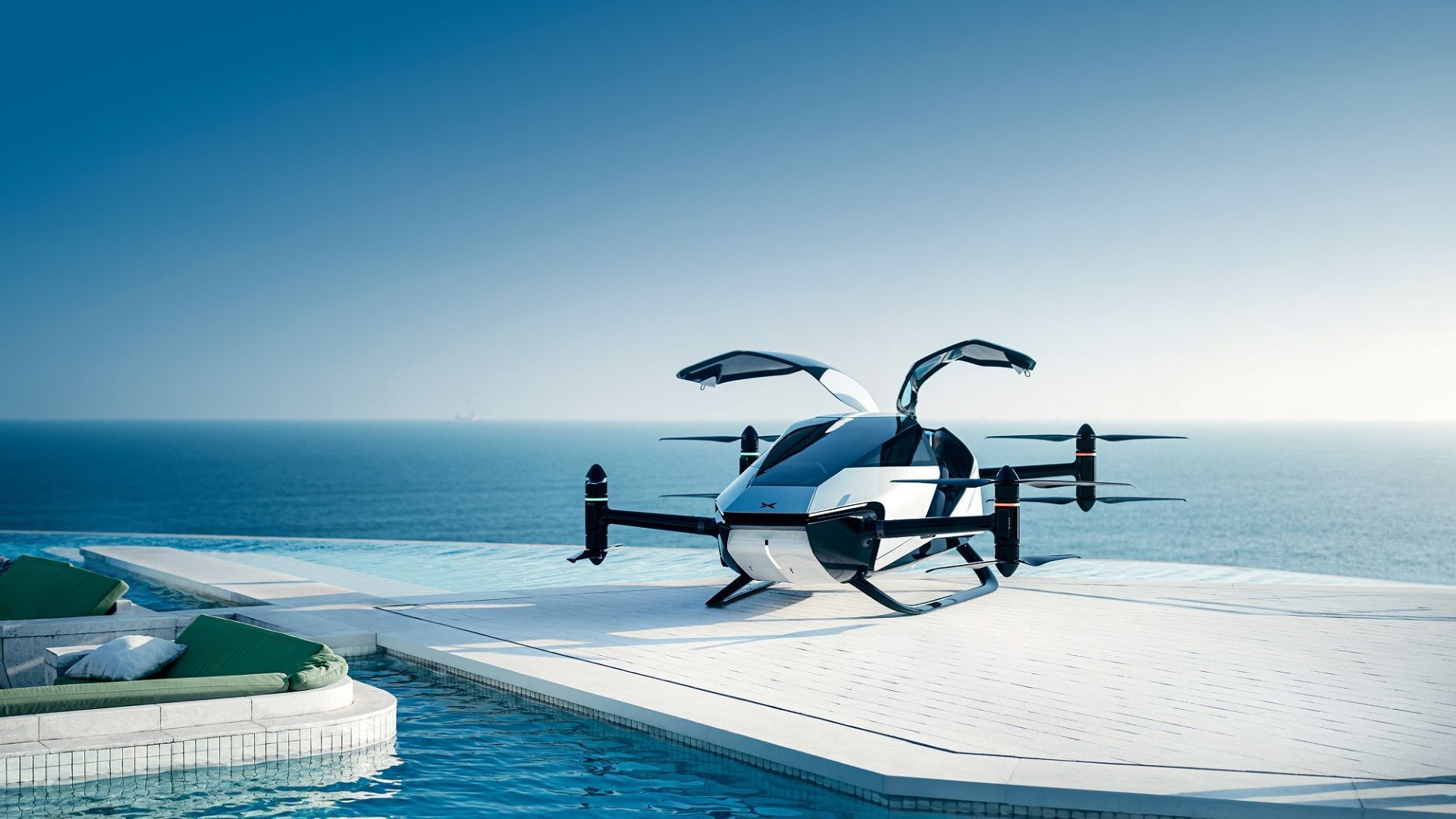
Chinese electric vehicle maker Xpeng is accelerating plans to move well beyond the roads, with its president Brian Gu confirming that large-scale production of the company's flying cars is expected to begin next year, while its humanoid robot will enter mass production in the fourth quarter of 2026.
Speaking to Reuters ahead of the Beijing Auto Show, Gu described a company in rapid transformation. Xpeng has already received more than 7,000 orders for its flying cars, the majority from Chinese customers, as the firm works to secure approval from the country's aviation authorities. The Aridge Land Aircraft Carrier, designed for both driving and flight, has 10,000 units planned for its initial production run.
On the robotics front, Xpeng's humanoid robot, Iron, runs on three of the company's self-developed Turing chips and a solid-state battery. Around 1,000 units are planned for production in 2026, with initial deployments inside company facilities. Gu said the robots would initially serve as receptionists and sales assistants, but struck an ambitious long-term note, suggesting that within 10 to 20 years the robot business could outgrow the automotive division entirely.
Xpeng's Iron robot first drew widespread attention when it was unveiled in November, with movements so lifelike that some online observers questioned whether a person was concealed inside. The robot even attracted a "like" from Tesla chief executive Elon Musk, who commented that Tesla and Chinese companies would dominate the market.
Beyond hardware, Gu pointed to growing opportunities with Volkswagen, which recently began mass production of its first EV model co-developed with Xpeng. The German giant has also been confirmed as the first commercial partner to adopt Xpeng's VLA 2.0 artificial intelligence system, designed to power robotaxi fleets, humanoid robots, and modular flying vehicles alike.
Xpeng is also pushing deeper into autonomous mobility. Robotaxi trials are set to begin in Guangzhou this year, with 2027 earmarked as a pivotal year for testing with partners around the world. The company expects to produce hundreds to thousands of robotaxis over the next 12 to 18 months.
Internationally, the firm currently operates in around 60 countries. Overseas sales accounted for roughly 15 per cent of revenue last year, though Gu said the target is for more than half of all revenue to originate outside China within the next decade.
Staff Writer
Reporting from the front lines of the automotive industry, delivering expert analysis and the technical updates that drive the South African motor sector forward.