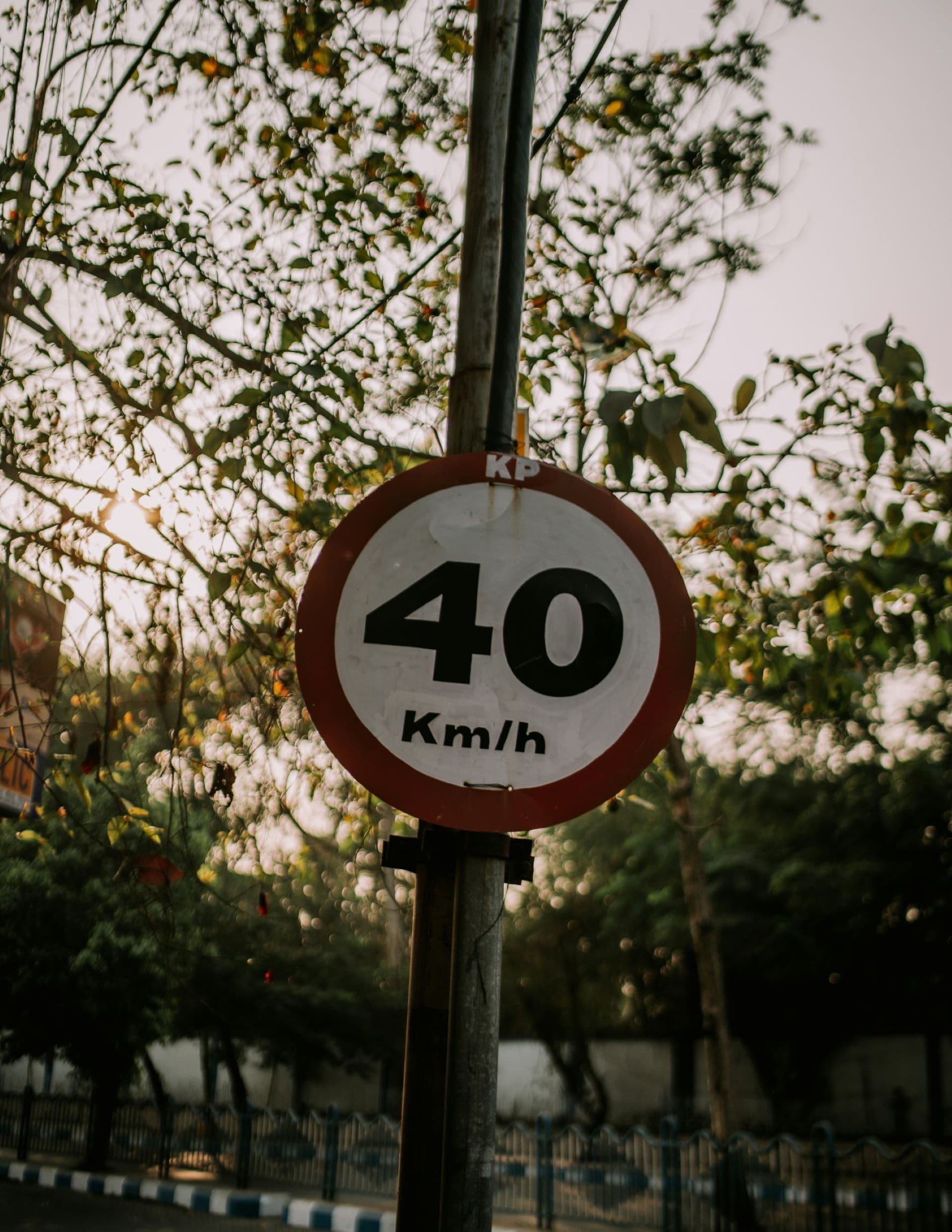
South African motorists have gained additional preparation time as the Administrative Adjudication of Road Traffic Offences (AARTO) Act has been postponed to 1 July 2026. The Department of Transport attributed the delay to inadequate readiness amongst municipalities involved in the initial rollout phase.
Whilst implementation dates will change, the Act's core provisions remain intact. Understanding these changes now allows motorists to adapt their behaviour and avoid potentially serious consequences.
The Financial Reality of Traffic Fines
Under the new system, prompt payment brings significant savings. Settling fines within 30 days reduces penalties by 50 per cent, making early payment financially sensible. However, consequences escalate dramatically for those who delay or ignore notices.
Unpaid fines will prevent vehicle licence renewals, ownership transfers, and new vehicle registrations. This represents a fundamental shift from current enforcement, where many motorists have historically avoided payment. Government estimates suggest fewer than 20 per cent of fines were paid in 2023, a situation the new Act specifically addresses.
The Demerit Point System Explained
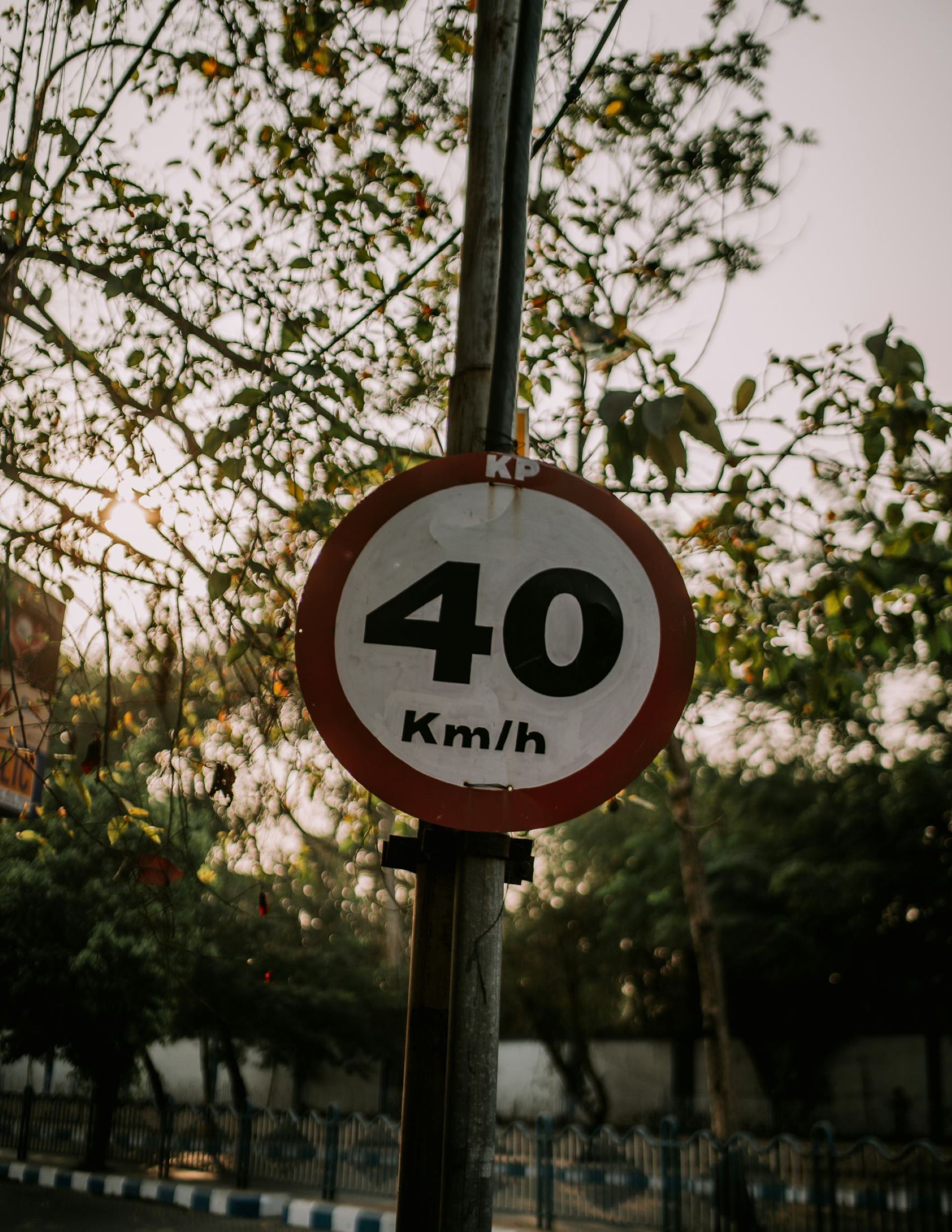
The Act introduces a demerit point system that accumulates against individual drivers. Once a motorist reaches 15 demerit points, licence suspension or cancellation becomes possible. Importantly, demerit points will only transfer to individual drivers during the third implementation phase, giving motorists time to understand the system.
A driver rehabilitation programme forms part of the Act, offering those facing suspension an opportunity to address their driving behaviour.
Preparing for Implementation
The enhanced eNatis system can efficiently trace outstanding fines, making avoidance virtually impossible. For company car drivers, fines will initially attach to the business's Registration Number before transferring to individual drivers in later phases.
Eugene Herbert from MasterDrive emphasises the importance of adaptation: "The new AARTO Act makes it impossible to avoid non-compliance." His advice applies equally to private motorists as to businesses.
Smart preparation includes staying informed about implementation dates, budgeting for prompt fine payment, and most importantly, improving driving habits to avoid infringements altogether. The message from authorities is clear: the days of ignoring traffic violations are ending.
Staff Writer
Reporting from the front lines of the automotive industry, delivering expert analysis and the technical updates that drive the South African motor sector forward.