Leading Japanese manufacturers and Tokyo's government have raised alarm over Vietnam's plans to prohibit petrol-powered motorbikes in Hanoi, warning the policy could devastate employment and undermine a R85.7 billion industry where Honda holds a commanding position, Reuters has learnt from documents and seven informed sources.
The controversy erupted following Prime Minister Pham Minh Chinh's July directive outlawing petrol motorbikes from central Hanoi by mid-2026 as part of the government's campaign against dangerous air pollution levels. Additional measures are planned for 2028, with other Vietnamese cities expected to follow suit.
Tokyo's diplomatic mission in Hanoi has formally expressed concern to Vietnamese policymakers, highlighting risks to jobs across "supporting industries" spanning motorcycle dealerships and component production, the embassy confirmed in a statement outlining its position. Officials declined to release the full letter, now being disclosed publicly for the first time.
Japanese diplomats have pressed Vietnam to establish an "appropriate roadmap" featuring adequate preparation time and phased regulatory changes for the shift to electric vehicles.
The embassy would not specify the letter's date, though a Japanese official revealed it was transmitted in September.
Vietnam boasts one of the planet's most significant two-wheeler markets - projected at R85.7 billion in 2024 by Mordor Intelligence - with motorbike registrations last year totalling nearly 80 million amongst a population of 100 million, one of the world's highest per capita rates.
The leading foreign motorcycle manufacturers' association in Vietnam, chaired by Honda and including Yamaha and Suzuki, separately contacted the government in July, warning the restrictions could mean "production interruptions and the risk of bankruptcy" throughout the supply network, according to correspondence reviewed by Reuters.
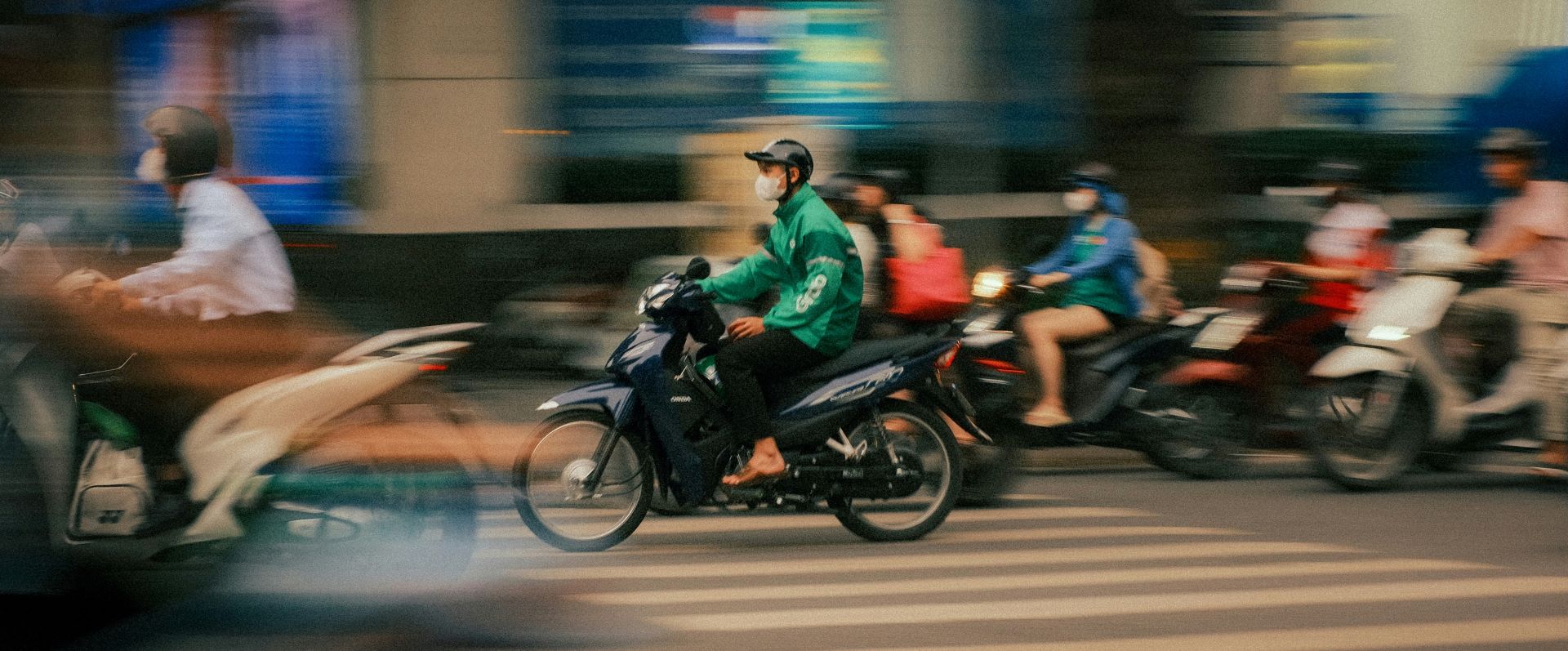
Industry representatives stated the policy could create "spillover effects" impacting hundreds of thousands of workers, with potential chaos for roughly 2,000 dealerships and approximately 200 component manufacturers.
The association has urged authorities to establish a transition phase "with a minimum preparation time of two to three years" enabling manufacturers to reconfigure production facilities whilst charging station networks and safety frameworks are developed.
Vietnamese policymakers have thus far rejected the overtures from Japan's government and industry, three sources familiar with the talks confirmed. All sources speaking to Reuters requested anonymity given the issue's delicate nature.
Vietnam's administration did not reply to enquiries.
Government representatives have defended the prohibition as vital for combating Hanoi's acute air pollution crisis. Officials in Ho Chi Minh City, the country's largest conurbation, have likewise announced plans to curtail petrol-powered vehicles.
Addressing industry anxieties about electrification, Prime Minister Chinh told Japanese executives in August that cutting emissions constitutes a worldwide priority demanding shared commitment "to choose the most optimal solution with a suitable roadmap," the government's web portal reported.
#VietnamBikeBan
Staff Writer
Reporting from the front lines of the automotive industry, delivering expert analysis and the technical updates that drive the South African motor sector forward.