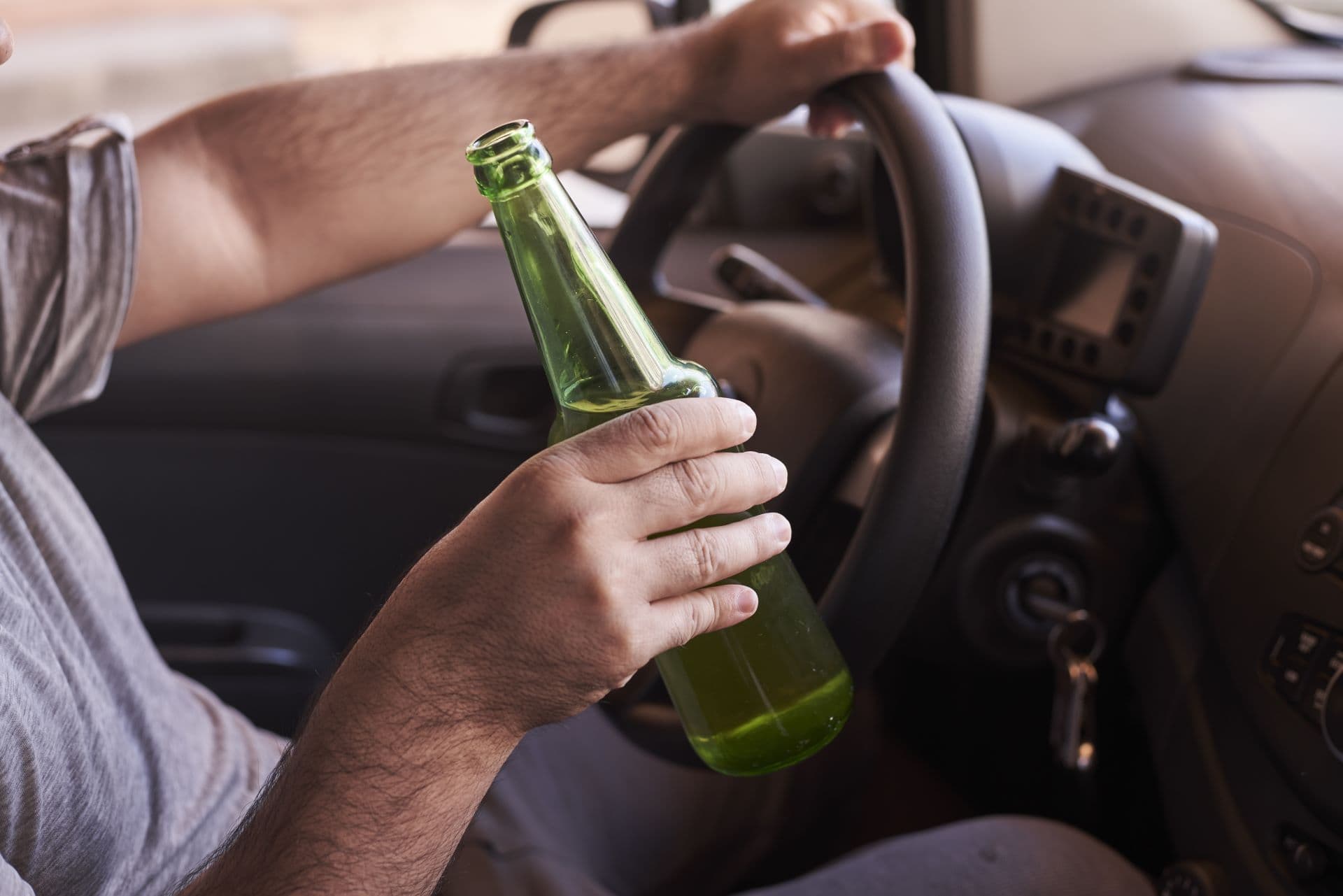
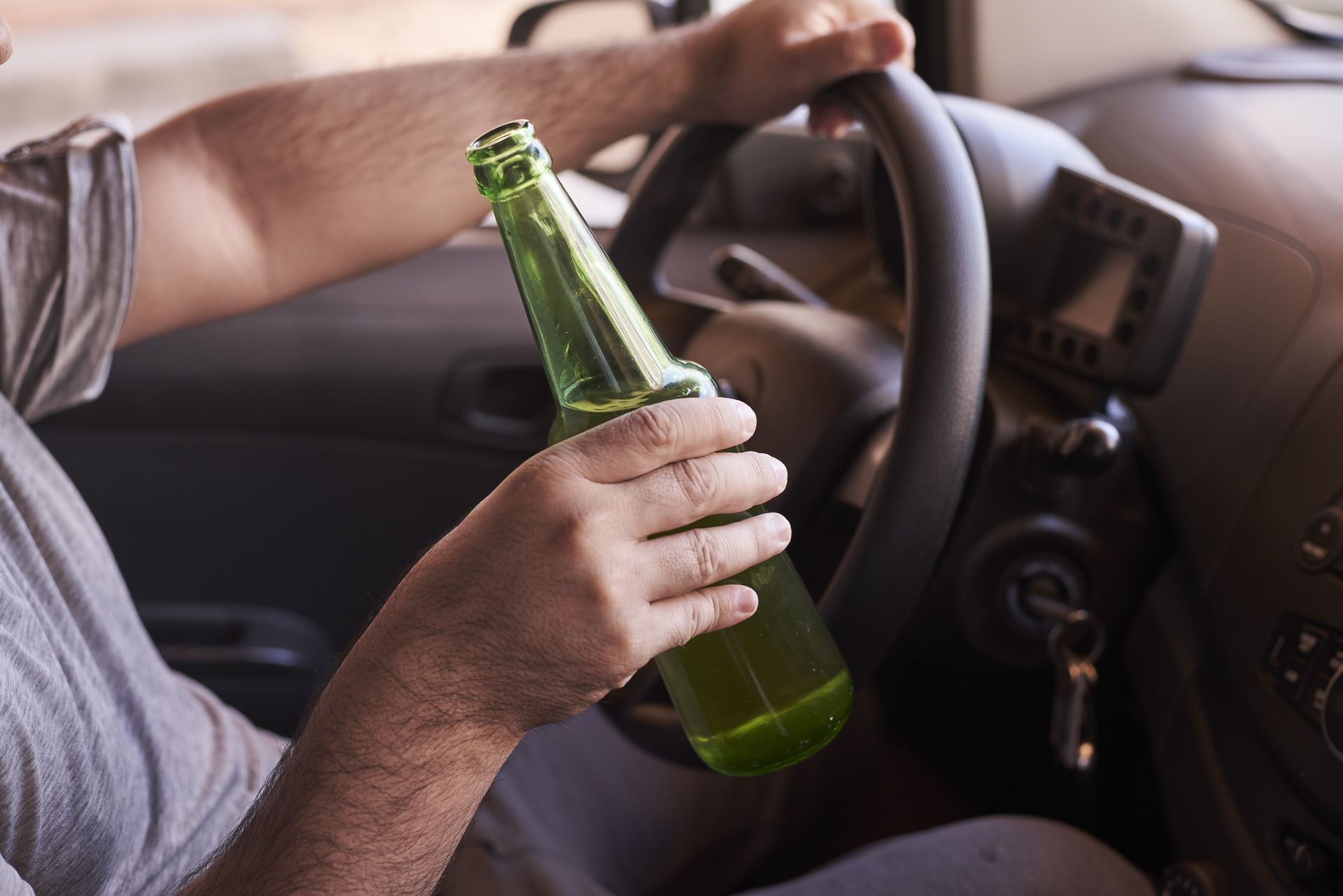
A US law passed in 2021 is driving a push for new cars to include technology that can spot drunk or otherwise impaired driving and stop a vehicle being driven.
Outside America, the debate can sound puzzling, partly because US road-safety rules are often set nationally, and because the measure has been widely described as a “kill switch”.
The legal basis is Section 24220 of the Infrastructure Investment and Jobs Act, which contains the Honouring the Abbas Family Legacy to Terminate (HALT) Drunk Driving Act. It instructs the National Highway Traffic Safety Administration (NHTSA), the federal agency that writes US vehicle safety standards, to create a new rule requiring “advanced impaired driving prevention technology” in new passenger vehicles.
Crucially, the statute does not order a government-operated remote shut-off. Instead, it points to passive systems that work in the background. These could include sensors that estimate a driver’s blood alcohol concentration from breath in the cabin or from touch points, and driver monitoring that flags impairment based on behaviour such as erratic steering or lack of attention. NHTSA’s 2024 advance notice of proposed rulemaking set out questions about what is technically feasible and how any performance test should be designed.
Implementation, however, is behind schedule. The law set a deadline in November 2024 for a final rule, but NHTSA has not yet completed it. In a 2026 report to Congress, the agency warned that the required accuracy is a major hurdle, noting that even very high accuracy rates could still produce millions of “false positives” across an enormous number of journeys.
That risk underpins much of the political backlash. In January 2026, the US House of Representatives rejected an attempt to cut off funding for the mandate, keeping the rulemaking alive, but opposition remains.
Privacy is the other flashpoint. Camera-based driver monitoring and biometric-style sensors could create sensitive data about individuals’ behaviour in private vehicles. For fleets, the issue extends to workplace monitoring and data governance. For consumers, the key question is whether the eventual US standard includes strict limits on what is collected, what is stored, and how mistakes and emergencies are handled.
Staff Writer
Reporting from the front lines of the automotive industry, delivering expert analysis and the technical updates that drive the South African motor sector forward.