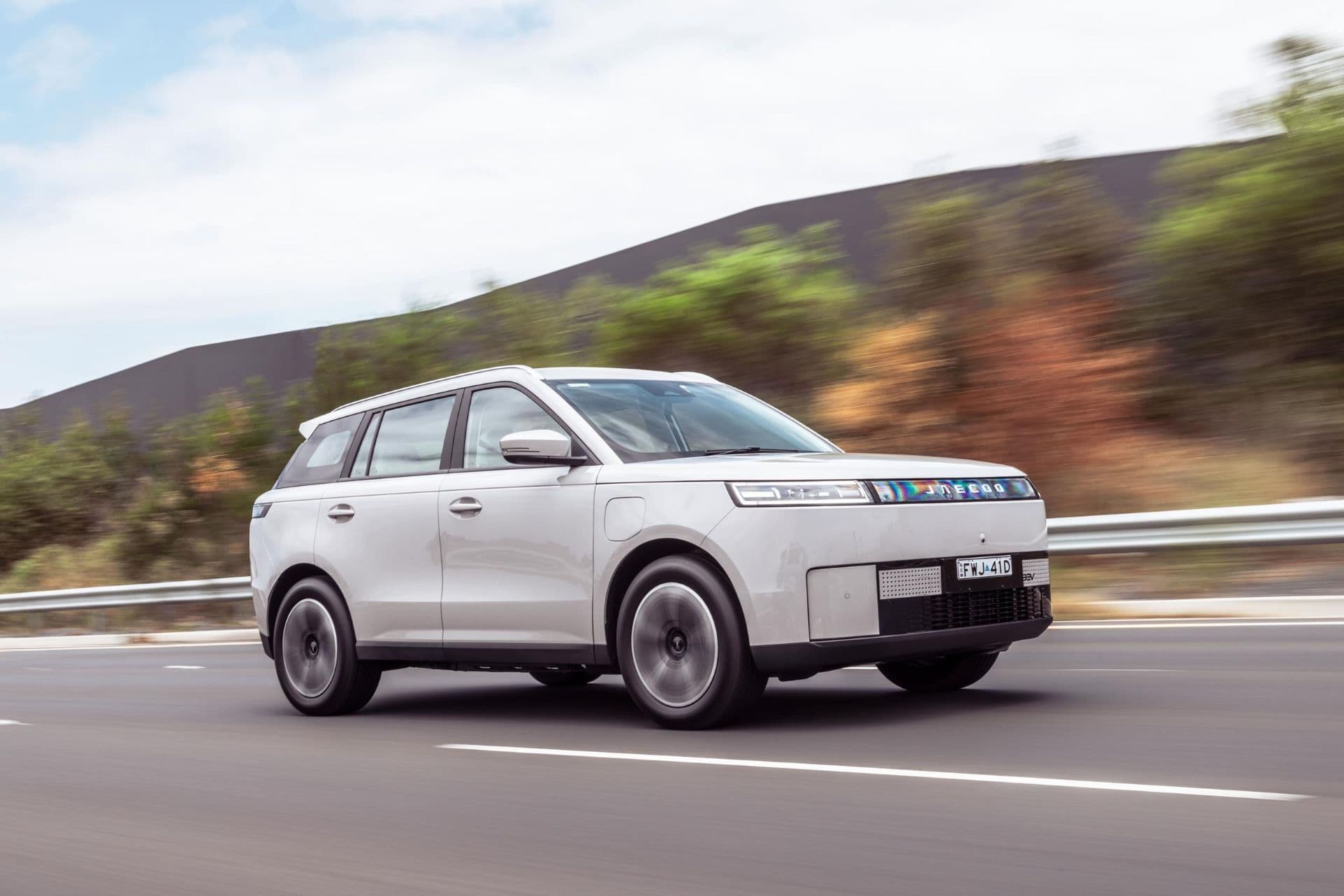
Major United States automotive trade groups have intensified their campaign to block Chinese vehicle manufacturers from entering the American market, warning of risks to national security, competitiveness and the long-term stability of the domestic industry.
Their concerns come at a pivotal diplomatic moment, with President Donald Trump scheduled to meet Chinese President Xi Jinping on 31 March.
In a letter circulated to senior administration officials, five influential organisations representing automakers, parts suppliers and dealers argued that China is pursuing a deliberate strategy to dominate global automotive manufacturing while seeking greater access to the US market. They contend that such ambitions threaten the integrity of the American automotive industrial base and could undermine the country’s economic position.
Central to their position is the call to preserve a 2025 US Commerce Department cybersecurity regulation that effectively prevents nearly all Chinese built vehicles from entering the United States. Industry groups also warned against allowing Chinese firms to bypass these restrictions by building production facilities on American soil, stating that the associated risks remain the same whether vehicles are imported or domestically assembled.
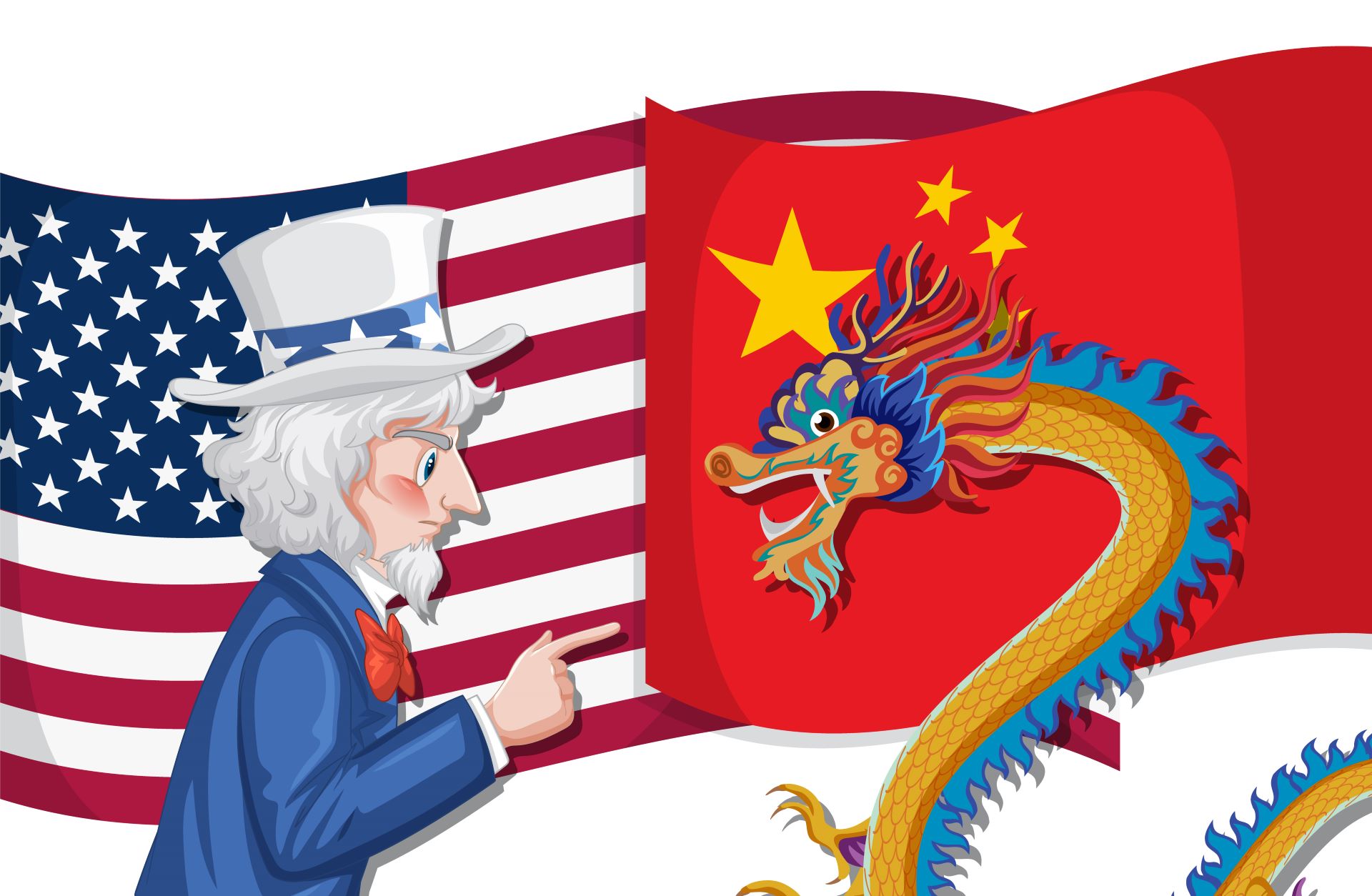
The Chinese embassy has rejected these claims, insisting that Chinese made cars succeed globally because of innovation and strong product quality. It emphasised that China continues to welcome international manufacturers, including American companies, which have benefited substantially from access to China’s large consumer market.
Further tensions have arisen after Canada signalled that it would allow certain Chinese vehicles to enter its market. Some US industry leaders view this as a potential “backdoor” route for Chinese brands to move closer to the American market, especially as Chinese manufacturers expand aggressively worldwide.
Chinese automakers, led by rapidly expanding brands such as BYD, have achieved increasing global influence, with BYD recently surpassing Tesla as the world’s top seller of electric vehicles. Their growing presence in North America, including significant sales in Mexico, has heightened unease among US industry groups, who fear escalating competition supported by what they describe as extensive Chinese government subsidies and unfair pricing practices.
President Trump, however, has indicated openness to Chinese companies investing directly in American production facilities, suggesting earlier this year that he would welcome plants that create jobs for US workers. This stance contrasts sharply with the industry’s plea for a more defensive posture as the geopolitical and economic stakes continue to rise.
Staff Writer
Reporting from the front lines of the automotive industry, delivering expert analysis and the technical updates that drive the South African motor sector forward.