The internal combustion engine is far from disappearing, yet the global shift towards New Energy Vehicles is gaining momentum at an unprecedented pace.
According to the International Energy Agency’s Global EV Outlook 2025, nearly 30 percent of all new passenger vehicles sold worldwide now fall under the NEV umbrella, reflecting a major transformation in how vehicles are powered.
Within global NEV sales, Battery Electric Vehicles (BEV) dominate the electric car category, which includes BEVs and plug in hybrids. Conventional hybrids, however, account for a significant share of the broader electrified vehicle market. Fuel Cell Vehicles (FCV) and Range Extender Electric Vehicles (REEV) remain niche products, representing well under one percent of global volumes.
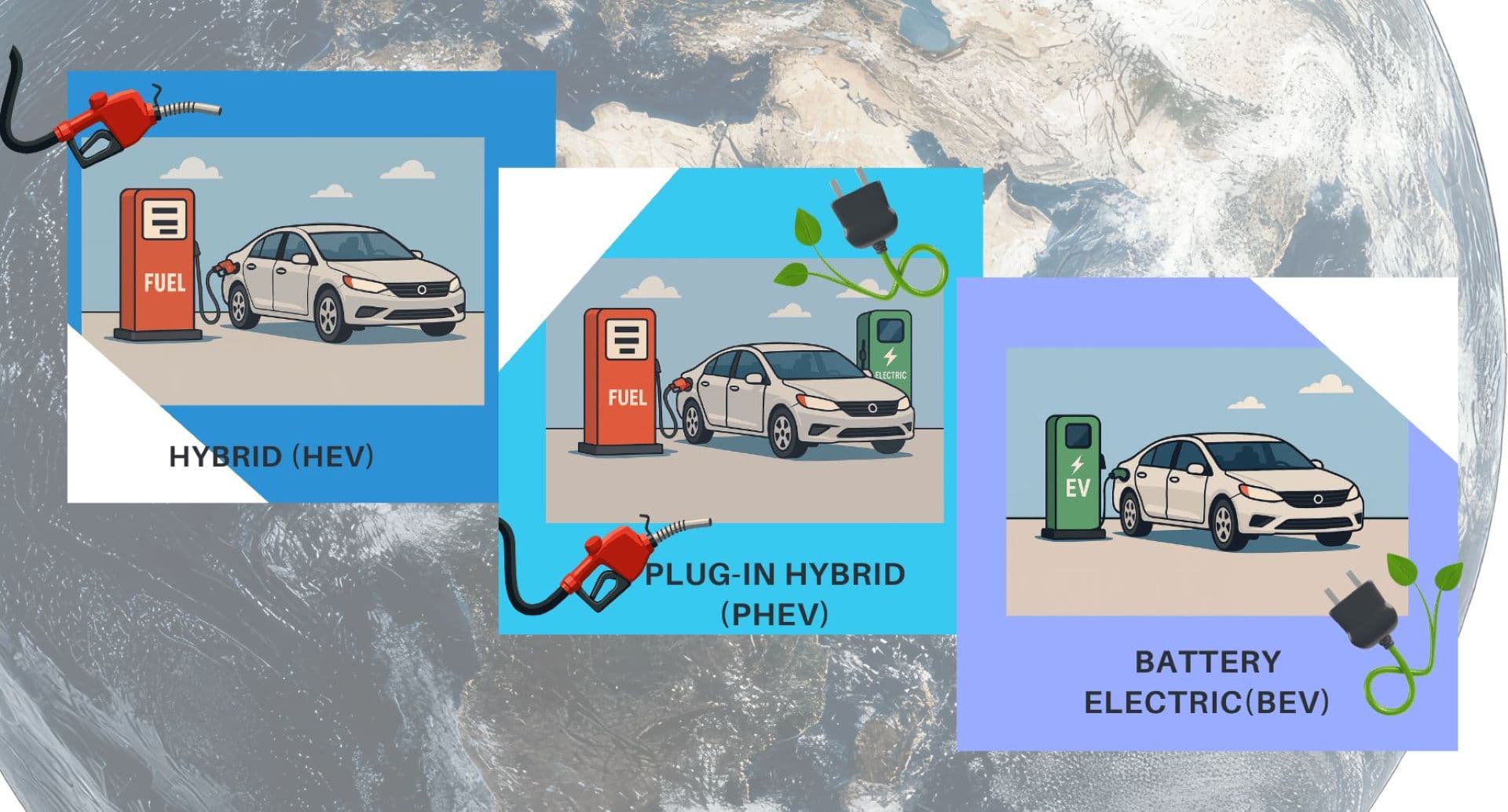
Battery Electric Vehicles, or BEVs, make up roughly 60 to 70 percent of electric car sales. These vehicles are fully electric, with no internal combustion engine, no exhaust system and no fuel tank. They rely entirely on battery power and electric motors and must be charged from an external electricity source. Local examples include the BYD Surf, BMW iX xDrive, Alfa Romeo Junior and MG Cyberster.
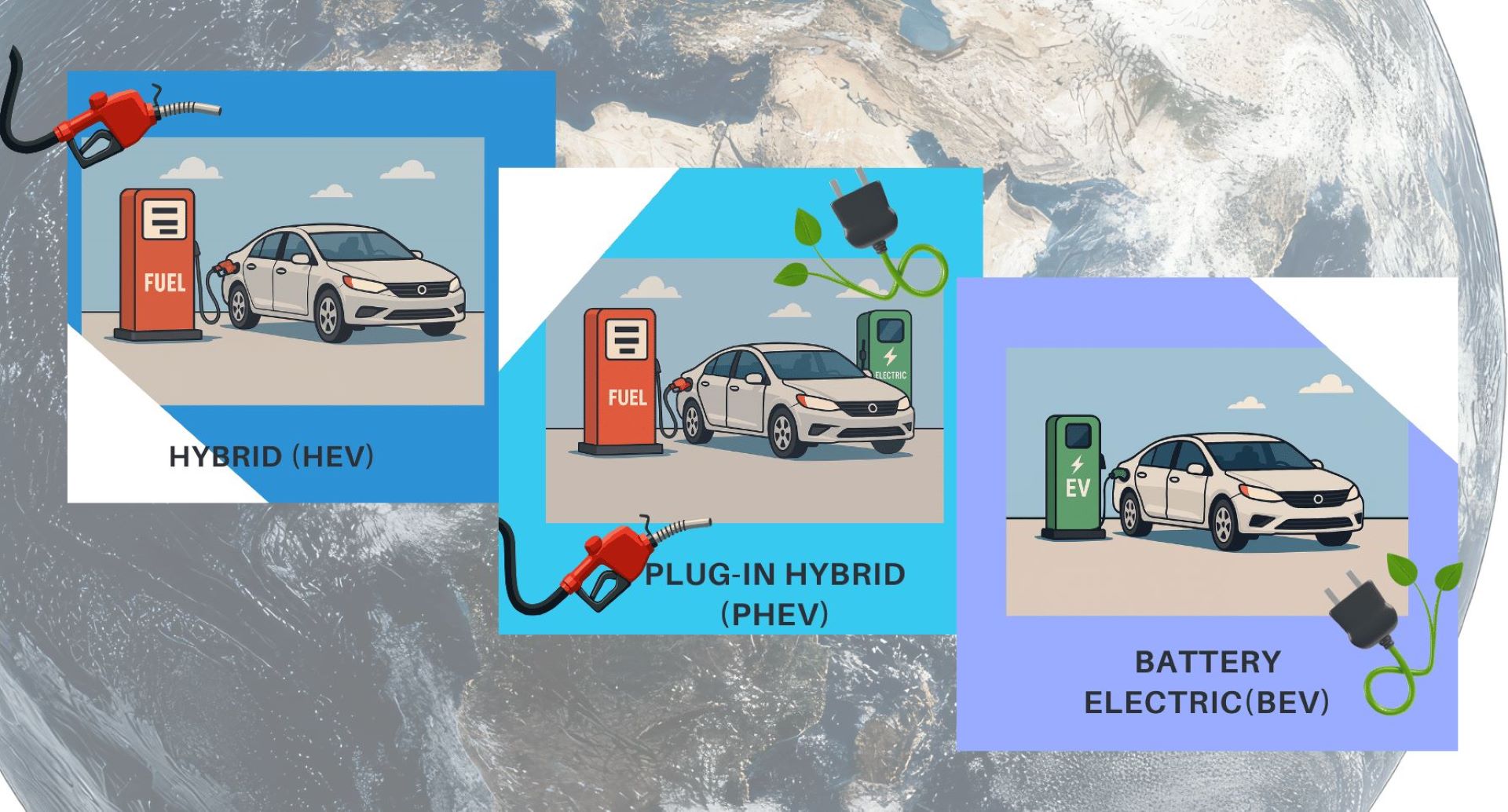
Plug in Hybrid Electric Vehicles, known as PHEVs, combine an internal combustion engine with a larger battery that allows for extended electric only driving. Depending on the model, this can reach up to 200 kilometres. These vehicles are refuelled at a petrol station and can also be plugged in to recharge the battery. Local offerings include the Chery Tiggo 7 and 9 CSH, Omoda PHEV, BYD Sealion 5 and 6, and the Lexus NX 450h.
Hybrid Electric Vehicles, or HEVs, are the familiar self-charging hybrids popularised by models such as the Toyota Prius. They use a small battery charged through regenerative braking and the engine itself. Electric power assists during low speed driving and pull away, offering limited electric only operation. Examples include the Toyota Corolla Cross, Haval Jolion, Chery Tiggo Cross and Suzuki Grand Vitara Hybrid.
REEVs differ from PHEVs in that the wheels are always driven by electric motors. The internal combustion engine acts solely as a generator to maintain battery charge. This allows for a smaller battery but still requires an active engine. Local examples include the Leapmotor C10 REEV and Changan Hunter REEV pickup.
FCEVs use hydrogen to generate electricity on board. While hydrogen is abundant, storage and distribution remain complex and energy intensive. This technology is still highly specialised, with overseas examples including the Toyota Mirai, Hyundai Nexo and BMW iX5 Hydrogen.
Staff Writer
Reporting from the front lines of the automotive industry, delivering expert analysis and the technical updates that drive the South African motor sector forward.