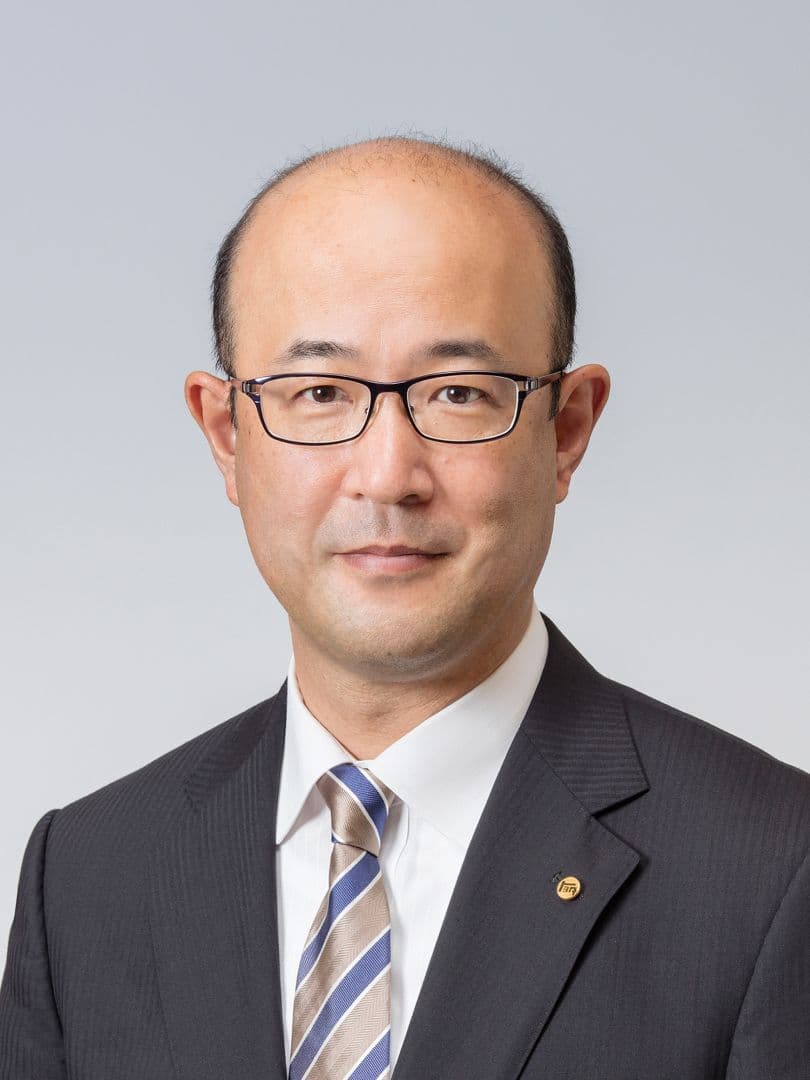
Toyota’s new chief executive, Kenta Kon, has used his formal arrival on the board to send a clear message: the world’s largest carmaker must become leaner, faster and less tolerant of waste if it wants to regain momentum.
Shareholders approved Kon’s appointment as a director at Toyota Motor Corporation’s annual meeting in Toyota City on 17 June, two months after he took over as chief executive from Koji Sato. The promotion gives the former chief financial officer a full board mandate at a testing moment for the Japanese group.
For more than two decades, Toyota stood as Japan’s most valuable company by market capitalisation. That status has now been lost, first to SoftBank Group and then to flash memory maker Kioxia Holdings. The symbolic blow has landed alongside more practical pressures, including tariff costs estimated at about $17 billion, tougher Chinese competition and expectations of a 20 per cent fall in operating profit this financial year.
Kon’s response is rooted in Toyota’s old discipline of kaizen, or continuous improvement, but his language suggests a sharper reset. After visiting factories, research centres and sales operations, he said the company had identified work that no longer adds enough value and processes that had become inefficient. One target is Toyota’s expanding range of specifications and model variants, which can stretch engineering teams and raise development costs.
The challenge is to cut complexity without weakening the qualities that made Toyota dominant: reliability, affordability and steady execution. Investors may welcome tighter cost control, but customers will be less forgiving if savings show up as cheaper materials, slower innovation or fewer desirable choices.
At the same time, Toyota is not abandoning its broader growth bets. Kon has indicated that investment will continue in artificial intelligence, robotics and the company’s multi-pathway vehicle strategy, which spans hybrids, plug-in hybrids, battery-electric vehicles and hydrogen technologies. That approach has often drawn criticism from electric-only advocates, yet it has helped Toyota profit from strong hybrid demand in key markets.
Kon therefore begins his tenure with a delicate balancing act. Toyota must simplify its business while protecting the engineering depth that underpins its brand. If he succeeds, the loss of Japan’s corporate crown may become a catalyst rather than a warning sign. If he fails, Toyota’s problem will not simply be waste, but the risk of becoming too slow in an industry that is changing quickly.
Staff Writer
Reporting from the front lines of the automotive industry, delivering expert analysis and the technical updates that drive the South African motor sector forward.
More news from OEM News