African industrialists are racing against the clock to secure a last-minute reprieve for a landmark trade agreement that has underpinned billions of pounds worth of commerce between the continent and America for nearly a quarter-century.
With the African Growth and Opportunity Act (AGOA) set to lapse on 30 September, manufacturers are pleading with US lawmakers for an emergency extension of one to two years, according to Kenyan textile magnate Pankaj Bedi, whose company supplies major American retail chains.
The trade programme, established in 2000 during Bill Clinton’s presidency, grants duty-free access to the US market for over 1 800 products from eligible sub-Saharan African countries. It has become a cornerstone of transatlantic economic relations, supporting employment for hundreds of thousands of workers across Africa’s textile, automotive, and mining industries.
Bedi, who chairs United Aryan apparel company and sits on Kenya’s manufacturers' association board, led a coalition of business leaders and government officials to Washington last week. The delegation conducted over 30 meetings with members of Congress and their staff, including representatives from House Speaker Mike Johnson’s office.
The businessman reported encouraging signals from both sides of the political aisle, with Republicans and Democrats expressing support for renewal. However, the challenge lies in finding appropriate legislation to which an extension could be attached within the remaining fortnight, a procedural hurdle that may prove insurmountable.
The economic implications are stark. Kenya’s apparel exports to the US under AGOA generated $470 million (R8 Billion) last year, representing a 19.2% increase from 2023. Employment in AGOA-accredited Kenyan firms surged by 15.18% in 2024, reaching 66 804 workers, highlighting the programme’s vital role in job creation.
Without renewal, manufacturers face crippling tariff increases. Synthetic textile duties alone would rocket from 10% to 43% - a burden that would render many African products uncompetitive in the American market. "It’s like a house of cards that will collapse," Bedi warned, predicting mass redundancies across the textiles sector.
The timing could hardly be worse. President Trump’s return to the White House has coincided with an increasingly protectionist approach to international trade, casting doubt over America’s commitment to maintaining preferential arrangements with developing nations. Previous attempts to secure a 16-year renewal failed to reach a congressional vote, suggesting waning political appetite for such programmes.
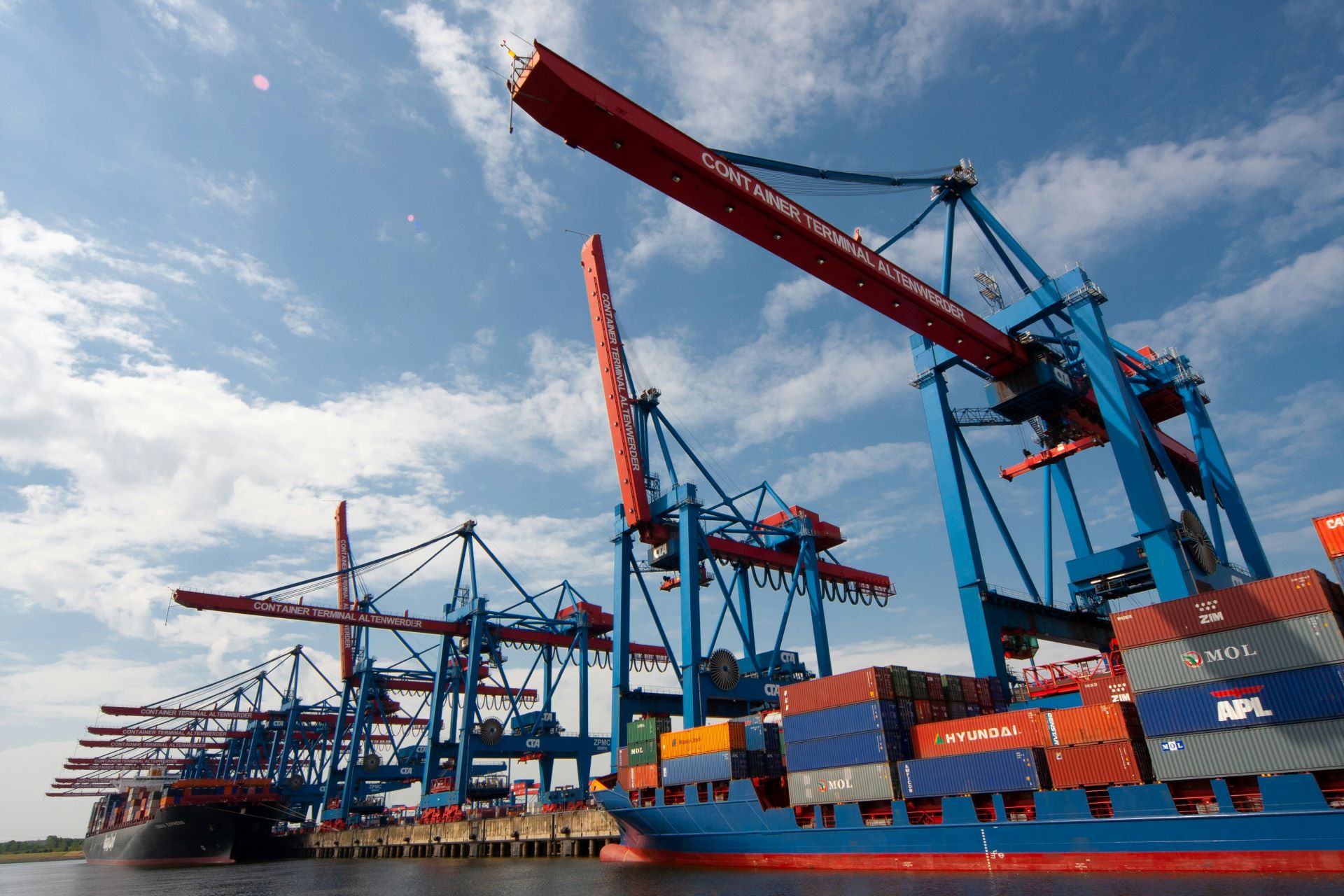
AGOA was originally conceived as both an economic development tool and a strategic instrument to counter Chinese influence in Africa. Ironically, its demise could achieve precisely the opposite effect, with Bedi warning that business would "by default" return to China if duty-free African access is withdrawn.
The risks are particularly acute for Kenya’s textile sector, where factories could close and a vital export market could shrink, undermining two decades of progress. The stakes explain why African nations are advocating so fervently for renewal.
The programme requires qualifying countries to meet stringent criteria, including establishing market-based economies, upholding rule of law, and eliminating barriers to US trade and investment. These conditions have helped foster good governance across participating nations whilst providing American businesses with reliable African partners.
Despite the apparent consensus among lawmakers, the White House has remained conspicuously silent on whether it supports an extension. Neither the administration nor the US Trade Representative’s office has responded to requests for comment, leaving African manufacturers in limbo.
With just days remaining, the fate of one of America’s most significant African partnerships hangs in the balance. For thousands of workers across sub-Saharan Africa, the outcome will determine whether decades of economic progress continue or comes to an abrupt halt.
Staff Writer
Reporting from the front lines of the automotive industry, delivering expert analysis and the technical updates that drive the South African motor sector forward.