As the global automotive industry undergoes an unprecedented period of transformation, consumer expectations are evolving just as rapidly as the technologies reshaping mobility.
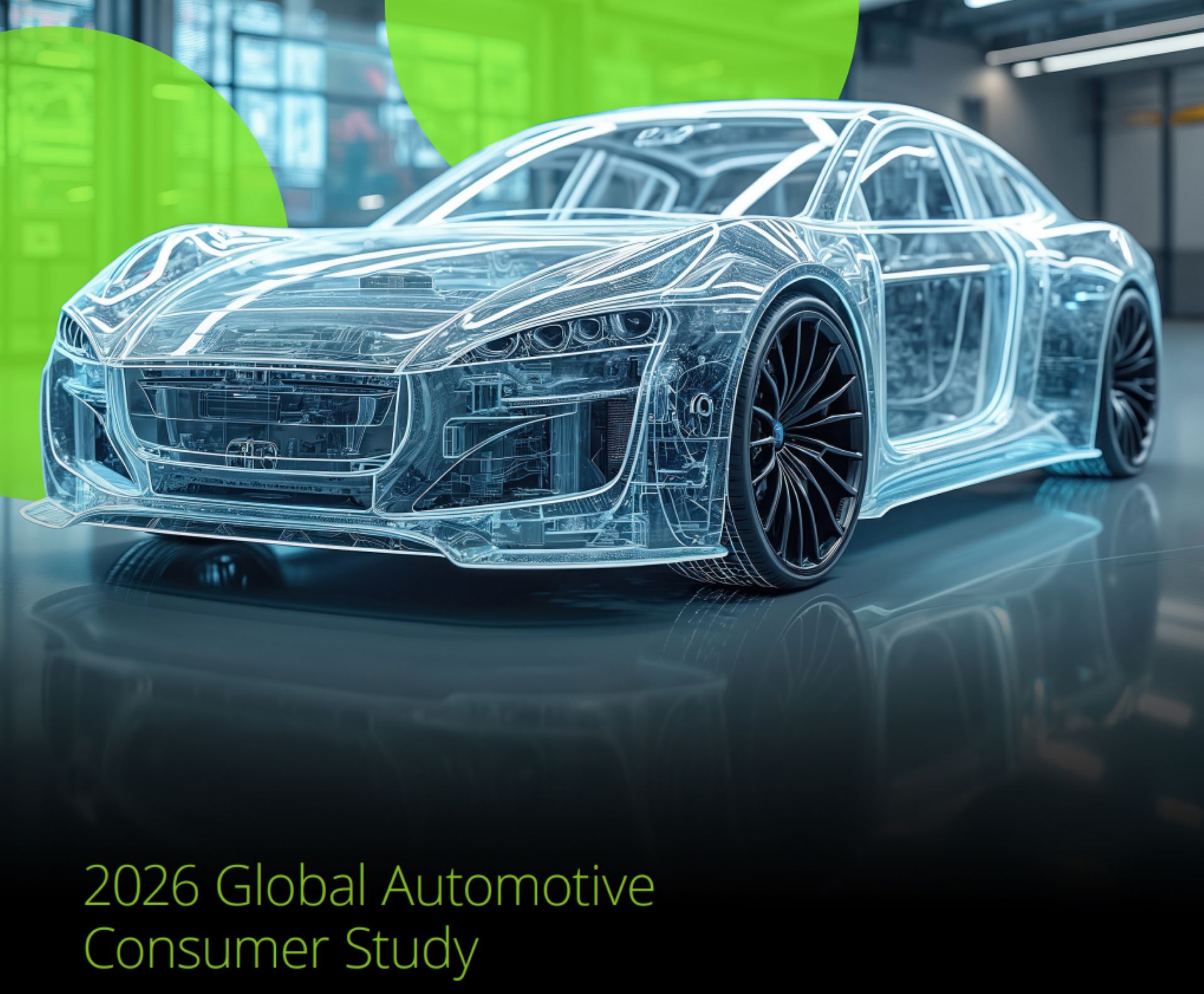
The 2026 Deloitte Global Automotive Consumer Study highlights how attitudes towards electrification, brand preferences, connectivity, artificial intelligence, and the service experience are converging to redefine the road ahead. Together, these insights offer a clear message: the future of mobility will be shaped not only by innovation, but by how seamlessly brands align technology with real human needs.
- Decarbonisation Momentum Splits as BEV Demand Diverges and Hybrid Interest Strengthens
Battery electric vehicle (BEV) adoption continues to grow worldwide, but progress varies significantly between regions. While some markets are accelerating towards full electrification, many consumers are increasingly favouring hybrid vehicles, which offer a balance of affordability, convenience, and everyday practicality. Lower fuel costs remain a strong motivator for those considering electrified options, yet concerns around driving range, charging times, public-charging availability, and long-term battery performance continue to shape adoption.
Most prospective electric vehicle (EV) drivers still prefer the certainty of home charging, while the cost of public charging remains an important consideration. In parallel, ongoing uncertainty about who should take responsibility for managing end-of-life batteries exposes a wider gap in the EV ecosystem—one that must be addressed as electrification continues to scale.
- Brand Loyalty Resets as Emerging Markets Challenge Traditional Leaders
Brand loyalty is undergoing meaningful shifts. Japan continues to demonstrate strong brand retention, but markets with large proportions of first-time vehicle owners—such as China, India, and Southeast Asia—show the highest levels of intended brand switching. This trend intensifies competitive pressure on original equipment manufacturers (OEMs), who must differentiate through quality, performance, and overall value.
Despite the rise of digital channels, consumers still rely most heavily on dealership visits and manufacturer websites when researching their next vehicle. Securing a good deal, transparent pricing, and the ability to physically experience the vehicle remain central to purchase decisions across regions.
- Safety-Driven Connected Features Earn Trust—Yet Data Sharing Remains a Concern
Consumers are increasingly receptive to advanced connected features, particularly those that enhance safety and security. Emergency assistance, pedestrian detection, and anti-theft tracking attract the strongest willingness to pay. However, apprehension persists around data privacy.
Data captured from synced personal devices, in-cabin cameras, and real-time vehicle location generates significant unease. These concerns point to a notable trust gap: as vehicles become more connected and data-rich, consumers want far greater transparency around how their personal information is collected, used, and protected.
- AI Personalisation and OTA Updates Redefine Long-Term Vehicle Value
Artificial intelligence and software-driven capabilities are becoming increasingly central to consumers’ expectations of the modern vehicle. Many are open to AI-enabled personalisation—such as automatically adjusting comfort settings or adapting vehicle behaviour based on driving habits. Over-the-air (OTA) updates are also gaining recognition, with consumers appreciating the long-term value of a vehicle that continuously improves via new features, performance enhancements, and safety updates.
This trend reinforces the growing appeal of software-defined vehicles (SDVs). Many consumers indicate they would keep their vehicles for longer if ongoing updates were available throughout ownership. For OEMs, this shift presents opportunities not only to build loyalty but also to expand recurring, software-based revenue models.
- Service Experience Hinges on Quality, Trust, and Clear Communication
When selecting a vehicle service provider, consumers continue to prioritise trusted relationships and consistently high-quality work. Authorised dealerships remain the most commonly used service destinations, although independent workshops retain a strong presence in many markets. Across regions, the fundamentals remain key: transparent pricing, clear explanations of the work carried out, and an overall service experience that inspires confidence.
These expectations underscore the enduring importance of human interaction—even in an automotive sector increasingly shaped by digital transformation and automation.
A Mobility Landscape Shaped by Innovation and Human Expectations
The 2026 Deloitte Global Automotive Consumer Study presents a picture of an industry in transition—where electrification is advancing but uneven, where brand loyalty is increasingly fluid, where enthusiasm for connected features sits alongside concerns about data privacy, and where software-driven intelligence is transforming the long-term value of vehicles. Yet across all findings, one theme stands out: consumers want technology that enhances their lives without introducing unnecessary complexity or uncertainty.
For OEMs, mobility providers, and policymakers, the opportunity lies in bridging these gaps—integrating innovation with trust, convenience, and transparency. Those who succeed will not only strengthen consumer confidence but also shape the next era of global mobility.
Staff Writer
Reporting from the front lines of the automotive industry, delivering expert analysis and the technical updates that drive the South African motor sector forward.