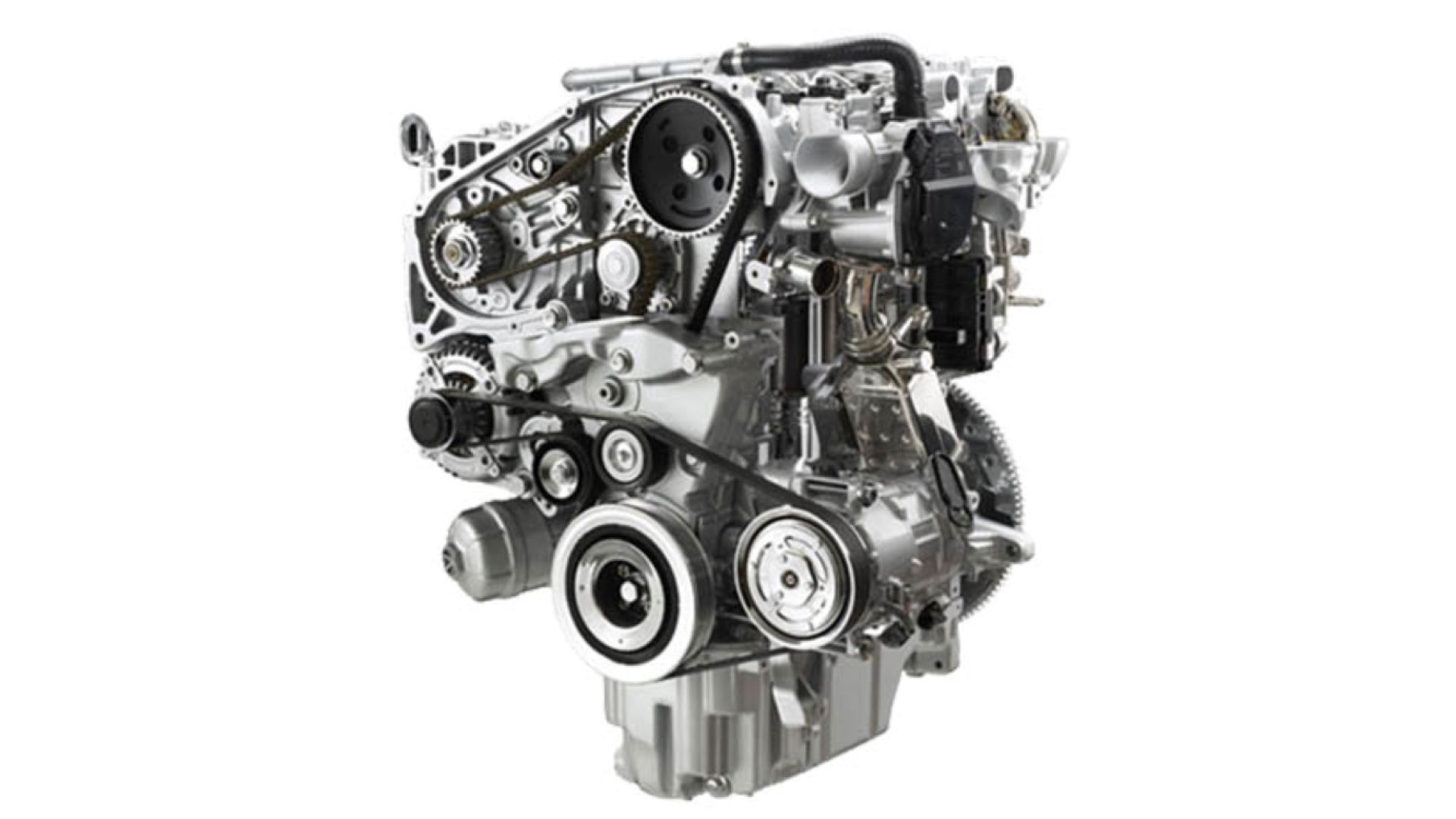
Stellantis is reversing course on its once-ambitious electrification plans, quietly restoring diesel engines to a wide range of models across Europe in response to faltering electric-vehicle (EV) demand and shifting regulatory winds.
The group, which owns brands including Peugeot, Fiat, Jeep, Citroën and Opel, began reintroducing diesel variants in late 2025 after EV sales across Europe fell short of expectations and emissions rules were relaxed.
Dealer listings and company statements confirm that at least seven cars and passenger vans have regained diesel options, including the Peugeot 308, DS 4, Opel Astra, Opel Combo, Peugeot Rifter and Citroën Berlingo. Premium SUVs such as the DS7 and Alfa Romeo’s Tonale, Stelvio and Giulia will also continue offering diesel powertrains, despite previous plans to phase them out.
Diesel’s revival represents a stark shift from Stellantis’ earlier pledge for 100% electric sales in Europe by 2030. That target has now been abandoned after the company booked €22.2 billion in charges linked to scaling back EV programmes. EVs accounted for 19.5% of European sales in 2025, but diesel’s share fell to just 7.7%, down from more than 50% a decade earlier. Despite this decline, the company argues that diesel still meets the needs of customers who drive long distances or require towing capability, and offers a competitive price advantage over fully electric models. Chinese rivals, whose rapid growth in Europe is powered by cost-effective EV supply chains, rarely compete in diesel.
The strategic pivot comes amid broader market turbulence. In the United States, Stellantis’ largest market, the Trump administration’s rollback of vehicle emissions standards has further dampened EV momentum. Stellantis has also revived petrol and V8 models in North America, underscoring a global rebalancing of its powertrain strategy.
While many European manufacturers have abandoned diesel entirely, Stellantis sees opportunity in a segment now underserved yet still valued by specific customer groups. The company maintains that the move reflects a pragmatic response to market realities rather than a retreat from innovation. “We have decided to keep diesel engines in our product portfolio and—in some cases—to increase our powertrain offer,” it told Reuters.
Whether this diesel resurgence proves temporary or marks a longer-term recalibration will depend on how quickly EV affordability, charging infrastructure and consumer confidence can catch up. For now, Stellantis believes the road to electrification will be far less linear than policymakers once hoped.
Staff Writer
Reporting from the front lines of the automotive industry, delivering expert analysis and the technical updates that drive the South African motor sector forward.