Global energy tensions often centre on the Strait of Hormuz, a narrow but vital shipping route through which a large share of the world’s oil and fuel passes. For South Africa, which imports most of its crude oil and refined fuels, instability in this corridor could quickly ripple through the economy.
Crude Oil Imports
South Africa produces less than 1% of its crude needs and imported about 13.2 billion litres in 2023 (138 000 barrels per day). Most comes from African suppliers such as Nigeria (29%), Angola (7%) and Algeria (4%). Saudi Arabia is the only major Gulf supplier, accounting for 24% of imports — meaning roughly a quarter of South Africa’s crude is exposed to the Strait of Hormuz.
Rising Dependence on Refined Fuels
With local refineries closing or under maintenance, imports of finished products have surged to 19 billion litres in 2023. Diesel dominates (67%), followed by petrol (23%), LPG, jet fuel and paraffin. These supplies increasingly come from Gulf refining hubs: Oman, UAE, Bahrain and Saudi Arabia, alongside India and Turkey.
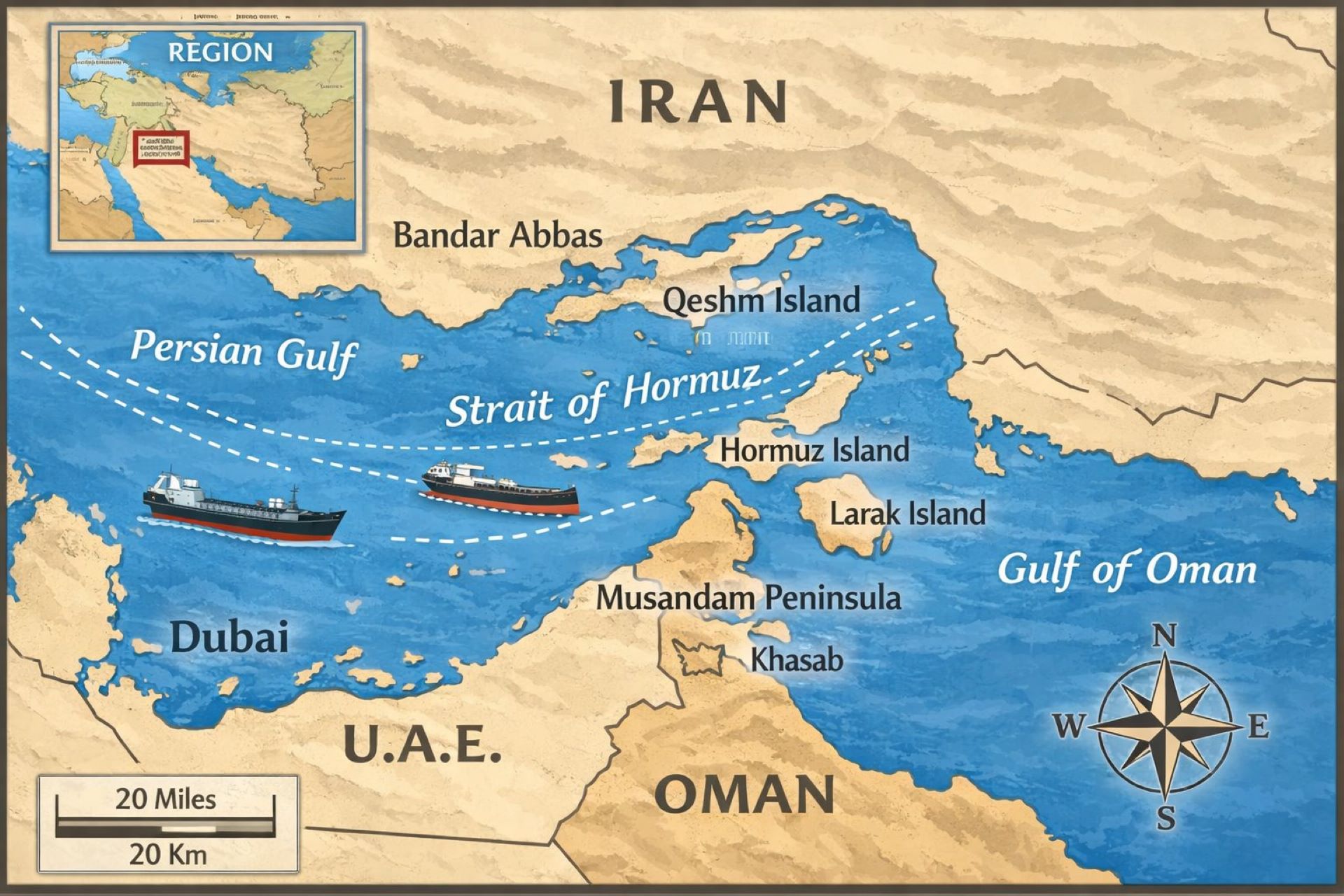
Why the Strait Matters
While only a fraction of crude imports transit the strait, a far larger share of refined fuel — especially diesel and petrol — originates from Gulf producers. This makes South Africa’s energy security vulnerable to disruptions in Hormuz, with potential knock-on effects for mining, transport, agriculture and electricity generation.
The Bottom Line
South Africa’s reliance on imported fuel is growing: 13 billion litres of crude and 19 billion litres of refined products annually. As Gulf suppliers dominate refined fuel trade, any instability in the Strait of Hormuz could sharply affect local fuel availability and prices.
Main photo: frimufilms on Freepik
Staff Writer
Reporting from the front lines of the automotive industry, delivering expert analysis and the technical updates that drive the South African motor sector forward.